-
Your shopping cart is empty!

MENU
Your shopping cart is empty!
 New
-62%
 -63%
 -59%
 -63%
 -61%
 -61%
 -60%
 -62%
 -62%
 -60%
 -63%
 -59%
 -59%
 -64%
 -59%
 -64%
 -64%
 -61%
 -64%
 -62%
 -61%
 -62%
 -64%
 -62%
 -62%
 -64%
 -62%
 -62%
 -62%
 -61%
 -61%
 -62%
 -59%
 -61%
 -62%
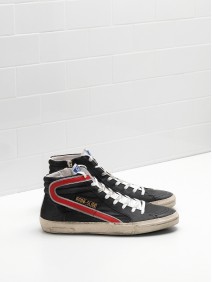 -64%
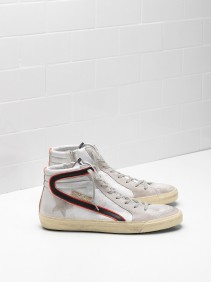 -61%
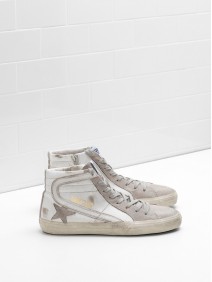 -62%
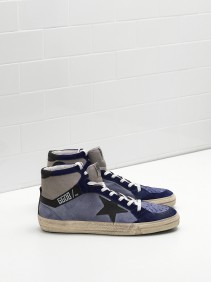 -62%
 -61%
 -59%
 -64%
 -62%
 -61%
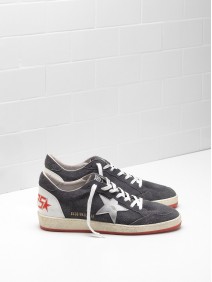
Golden Goose sneakers are known for a worn-in appearance, distinctive finishes, and varied construction. Leather uppers, suede panels, glitter details, technical fabric, and rubber soles can all react differently to rain, puddles, and damp pavements. Their fashion-forward distressed look should not be confused with full weatherproofing.
A light shower usually presents less risk than prolonged exposure to heavy rain. The key factors are the sneaker’s materials, the condition of its finish, how quickly it is dried, and whether water reaches the lining or insole. With sensible care, many pairs can be worn during changeable UK weather without unnecessary damage.
Understanding the limits of each material helps you choose the right pair for commuting, travel, or casual everyday wear. It also makes it easier to protect the texture, colour, and shape that give Golden Goose styles their character.
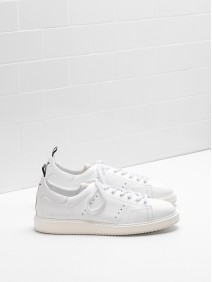
Smooth leather is generally the most practical upper for occasional wet weather. It has a relatively dense surface, so light rain can often be wiped away before it penetrates deeply. However, untreated leather may develop water marks, dark patches, or a stiff feel after repeated soaking. A suitable leather protector can add a useful layer of resistance.
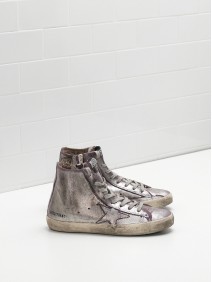
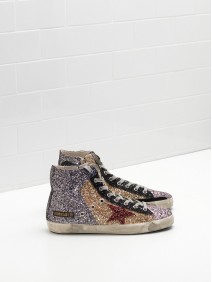
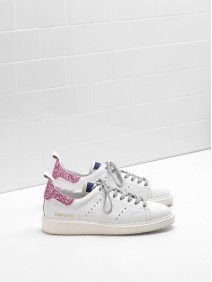
Suede requires more caution because its open, napped texture absorbs moisture readily. Rain may leave tide marks, flatten the nap, or create uneven colouring. Glitter and metallic finishes can also be delicate: surface decoration may lose brightness, while adhesives and backing materials can be affected by saturation.
Technical fabric may cope well with brief contact with drizzle, especially when paired with a synthetic coating, but it is not automatically waterproof. Water can pass through seams, tongue areas, and perforations. Rubber soles are usually dependable on wet ground, although grip varies according to tread depth and the condition of the pavement.
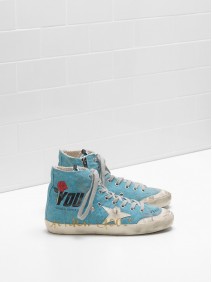
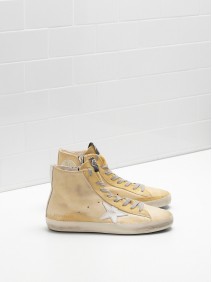
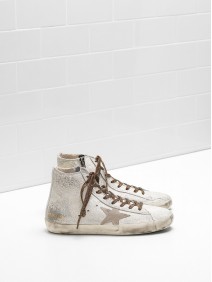
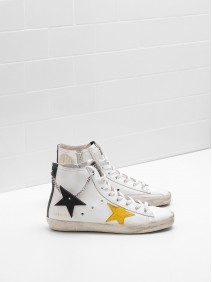
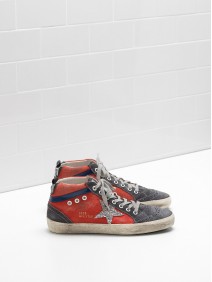
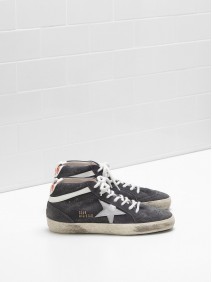
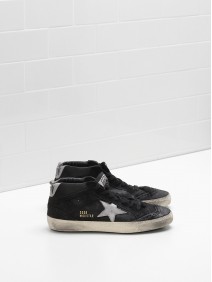
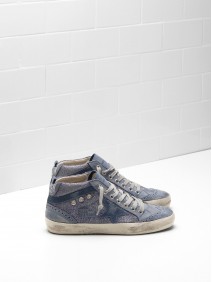
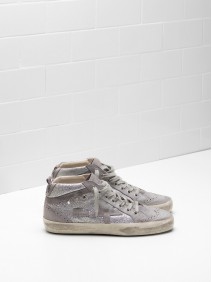
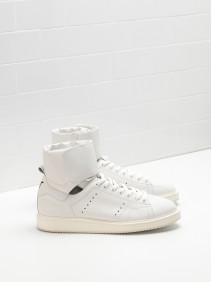
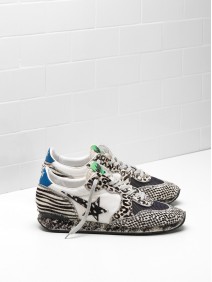
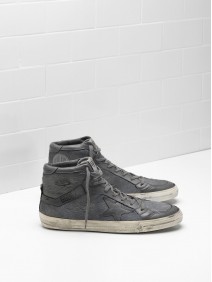
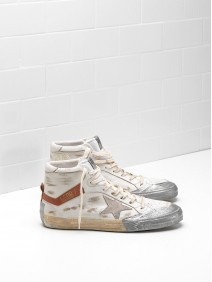
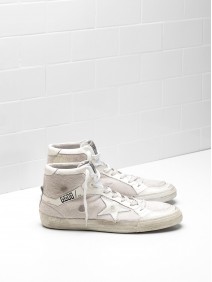
The Superstar is often made with leather, suede, and decorative panels, so its weather tolerance depends on the exact colourway. A leather-dominant version is easier to maintain than one with extensive suede or glitter. The Francy and Mid Star designs can offer similar variation, with high-top panels and layered materials creating more areas where water may collect.
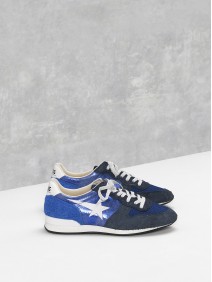
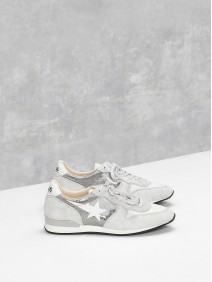
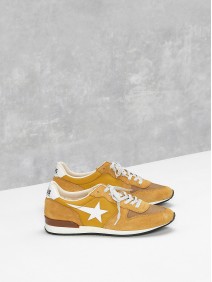
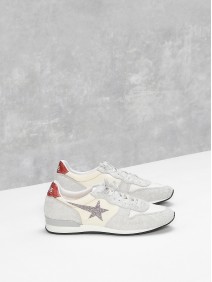
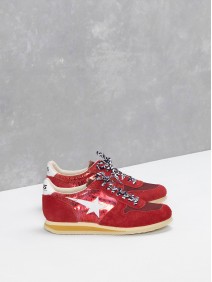
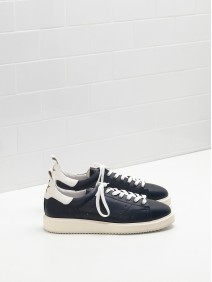
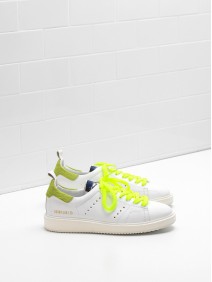
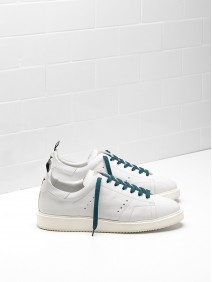
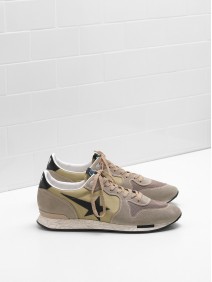
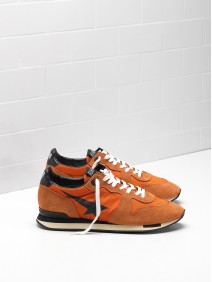
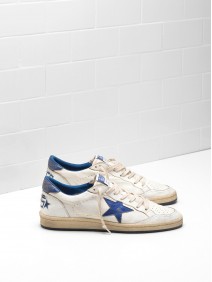
Haus Halley and Starter models may include technical fabric, canvas-like sections, or prominent trim. These details can be comfortable and lightweight, yet they need prompt drying after exposure. Running styles are suited to a casual active look, but their fabric uppers and cushioned interiors should be kept away from deep puddles.
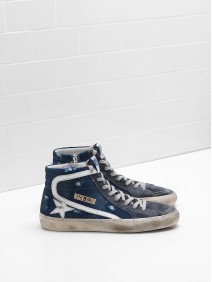
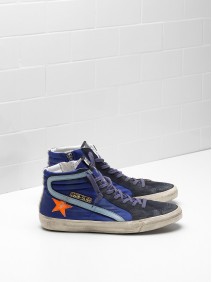
Slide styles are a different case. Their open construction may make them practical for quick errands in light drizzle, but exposed feet and wet footbeds can become uncomfortable quickly. Whatever the model, inspect the product description for listed materials before deciding whether it is suitable for a wet-weather journey.
The following guide gives a general indication rather than a guarantee. Construction, finish, age, and previous wear all influence how a particular pair behaves in rain.
| Material or detail | Light rain | Main concern | Useful care |
|---|---|---|---|
| Smooth leather | Usually manageable | Water marks and drying stiffness | Wipe promptly and condition occasionally |
| Suede | Higher risk | Tide marks and flattened texture | Use suede protector and a dry brush |
| Glitter or metallic finish | Limited tolerance | Dullness, peeling, or adhesive damage | Avoid saturation and abrasive cleaning |
| Technical fabric | Fair for brief drizzle | Water entering seams and lining | Air-dry fully and use a fabric protector |
| Rubber sole | Generally reliable | Reduced grip on slick surfaces | Clean the tread and check wear |
| Mixed-material upper | Depends on weakest section | Uneven staining or colour transfer | Protect according to the most delicate panel |
These categories are especially useful when comparing discounted outlet pairs. A lower price may make a style attractive for everyday rotation, but it does not change the physical limits of suede, glitter, or fabric. For frequent rainy commutes, a simpler leather construction may be easier to live with than a highly embellished design.
Protection is most effective before the first shower. Apply a product designed for the specific upper, following its instructions and testing it on a hidden area first. Leather sprays, suede protectors, and fabric treatments are not interchangeable, and an unsuitable formula can alter colour or surface texture.
Allow the treatment to dry completely before wearing the sneakers. Reapply it at reasonable intervals rather than layering product too heavily. Pay attention to the tongue, stitching, heel panels, and areas around the lace eyelets, since these are common routes for moisture to enter.
A pair should also be structurally ready for wet conditions. Loose stitching, cracked leather, lifted trim, or worn soles can allow water through more easily. Keeping a soft cloth and a spare pair of dry socks in a work bag is practical for unpredictable UK weather, especially when wearing sneakers for a full day.
If the sneakers become wet, remove the laces and insoles where possible and blot the surface with a clean towel. Do not rub suede aggressively, as friction can spread marks and damage the nap. Remove visible mud once it has dried enough to lift without forcing it further into the material.
Let the pair dry naturally at room temperature. Stuffing the toes with plain paper can help preserve their shape and absorb some moisture; replace the paper when it becomes damp. Avoid radiators, hairdryers, heated floors, and direct sunlight, because rapid heat can shrink leather, harden glue, distort soles, or create uneven fading.
Once suede is fully dry, use a suitable brush to restore its texture. Leather can be conditioned sparingly after drying, while technical fabric may need gentle spot cleaning according to its care instructions. Before storing the pair, make sure the lining and footbed are completely dry to prevent odour and mildew.
A wet-weather choice starts with the product listing. Look for clear information about leather, suede, glitter, technical fabric, rubber soles, and any decorative overlays. Images can reveal the balance of materials, but written specifications are more useful when deciding how a pair may perform in damp conditions.
Sizing and comfort also matter because wet feet increase friction and discomfort. A secure fit helps prevent the heel from slipping, while breathable lining can make a difference during long periods outdoors. Free fast shipping and outlet pricing can make online shopping convenient, but buyers should still review the model details and care requirements before ordering.
The presentation of a new pair can be part of the buying experience as well. Those interested in how the sneakers arrive can read this packaging and unboxing guide, then check that the footwear and accessories match the listing when delivered.
Rain does not have to keep Golden Goose sneakers permanently indoors. It does mean choosing the right pair for the forecast and responding quickly when the upper gets wet. A rotating wardrobe can reduce repeated exposure, giving each pair time to air out fully between wears.
Keep the most delicate Superstar, Francy, Mid Star, Haus Halley, Starter, Running, or Slide colourways for dry days when they feature suede, glitter, metallic panels, or highly textured fabric. Reserve more straightforward leather designs for occasional drizzle, while treating every pair as water-resistant at most unless the product specifically states otherwise.
A little rain resistance is realistic; complete waterproofing is not. Choose Golden Goose sneakers with the day’s conditions in mind, protect the most vulnerable materials, and give wet footwear enough time to recover before wearing it again. Browse the available styles and material details to select a pair that fits both your wardrobe and the weather.