-
Your shopping cart is empty!

MENU
Your shopping cart is empty!
 New
-62%
 -63%
 -59%
 -63%
 -61%
 -61%
 -60%
 -62%
 -62%
 -60%
 -63%
 -59%
 -59%
 -64%
 -59%
 -64%
 -64%
 -61%
 -64%
 -62%
 -61%
 -62%
 -64%
 -62%
 -62%
 -64%
 -62%
 -62%
 -62%
 -61%
 -61%
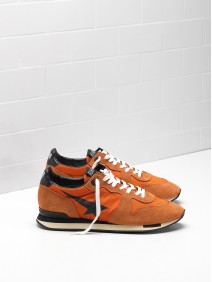 -62%
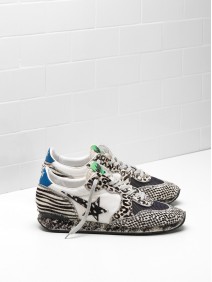 -59%
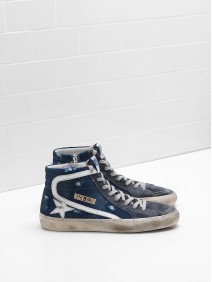 -61%
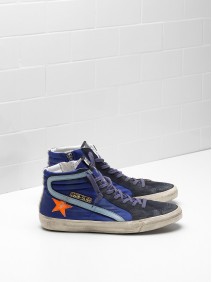 -62%
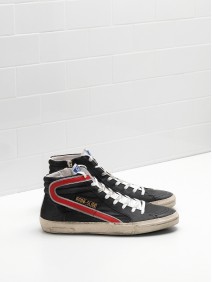 -64%
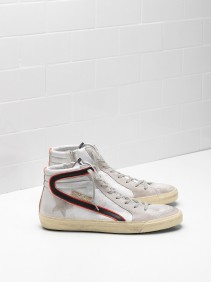 -61%
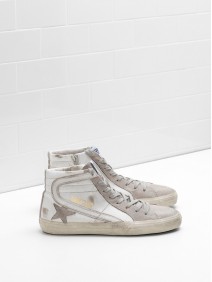 -62%
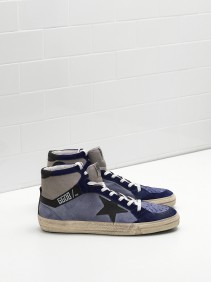 -62%
 -61%
 -59%
 -64%
 -62%
 -61%
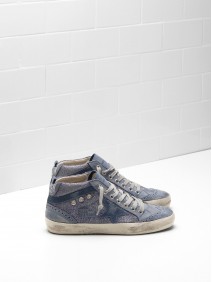
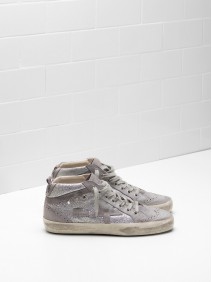
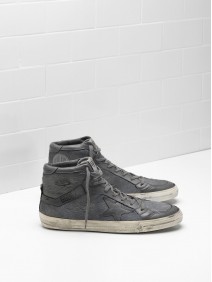
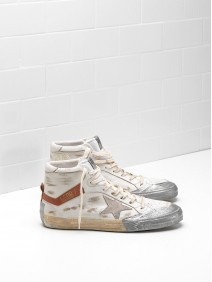
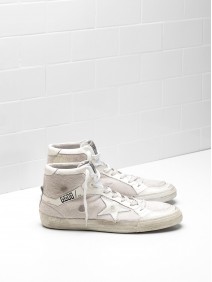
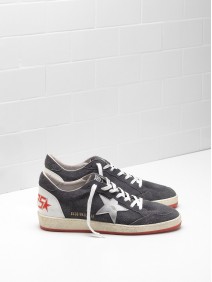
Golden Goose Mid Star sneakers have a distinctive high-top shape, padded ankle, and often structured leather or suede upper. Their fit can feel different from a simple low-top trainer because the ankle collar adds support while the toe box determines most of the everyday comfort. Choosing the right size depends on foot length, width, instep height, and how much room you prefer around the toes.
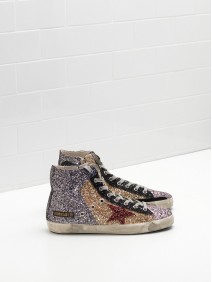
Many Mid Star designs use a combination of leather, suede, glitter panels, technical fabric, and rubber soles. These materials may soften with wear, but they do not all stretch in the same way. A narrow foot may need extra security through the laces, while a wide foot may require more space across the forefoot rather than a longer shoe.
The safest approach is to measure both feet and compare the result with the product’s available size information. Golden Goose sizing can vary slightly between styles and collections, so use your usual EU or UK size as a starting point rather than treating it as an absolute rule.
Mid Star sneakers generally have a close, supportive shape around the heel and ankle. The high-top construction can make the shoe feel secure, especially when the laces are adjusted from the lower eyelets upward. However, a snug ankle fit should not be confused with a narrow toe box. Your toes still need space to move naturally when standing and walking.
The toe area often feels more structured when the shoe is new. Smooth leather may relax modestly, while suede can become more flexible as it breaks in. Glitter and coated finishes usually have less give. If your toes touch the front of the shoe in your normal size, waiting for the upper to stretch is unlikely to solve the problem.
Measure your feet at the end of the day, when they are at their largest. Wear the socks you expect to use with the sneakers, place a sheet of paper against a wall, and stand with your heel lightly touching the wall. Mark the end of the longest toe, then measure from the wall edge to the mark. Repeat for the other foot.
Width matters just as much as length. Measure across the broadest part of each foot, usually around the ball of the foot. Record the larger length and width measurement. If one foot is longer, choose a size that accommodates it and use lacing or a slim insole to fine-tune the fit on the smaller side.
Leave approximately 8–12 millimetres between your longest toe and the front of the sneaker for walking comfort. A very small amount of extra space can work for narrow feet, but wide feet usually need room across the forefoot rather than additional length.
People with narrow feet may find that their usual length feels slightly roomy inside a Mid Star. This is especially common when the upper is made from firm leather and the foot does not fill the sides. A loose fit can cause heel movement, creasing at the wrong point, and rubbing around the ankle.
Try tightening the lower laces first, then adjust the upper section so the ankle remains comfortable without restricting movement. A thin, supportive insole can reduce internal volume, while medium-weight socks can improve grip. Avoid using very thick socks if the toe area already feels close, as they may create pressure at the front.
Sizing down is worth considering only when your current size has clear excess length and your toes still have comfortable clearance. A smaller size may improve control, but it can create pressure across the instep or cause the longest toe to touch the front. Narrow feet need a secure fit, not a compressed one.
Wide feet often need more space across the toe box and ball of the foot. If the sides bulge over the sole, the shoe feels tight across the forefoot, or your little toe presses against the upper, the fit is too narrow. Increasing length by a full size may provide some extra width, but it can also make the heel slip and change the way the shoe flexes.
Look for a Mid Star version with a softer upper, such as supple leather or flexible suede. Technical fabric panels may also feel more forgiving, depending on their construction. Firm glitter overlays, reinforced toe caps, and heavily structured panels tend to offer less lateral stretch, so inspect the material details before ordering.
| Foot profile | Likely fit experience | Useful adjustment | Warning sign |
|---|---|---|---|
| Narrow, low instep | Extra room at the sides or heel | Secure lacing, thin insole, lighter socks | Heel slips while walking |
| Average width | Usually closest to standard sizing | Use normal socks and measured length | Toes touch the front |
| Wide forefoot | Pressure near toes or ball of foot | Choose more forgiving materials or extra width | Side of foot bulges over sole |
| Wide foot with high instep | Tightness across laces and tongue | Loosen upper lacing and consider more volume | Numbness or strong lace pressure |
| Unequal foot lengths | One shoe feels tighter | Fit the larger foot first | Shorter foot slides excessively |
Leather usually becomes softer at flex points as it warms and moves with the foot. That can improve comfort, but it will not transform a fundamentally short or narrow shoe into the correct size. Suede may feel comfortable sooner because it is often more pliable, although lining, stitching, and reinforcement still affect the usable space.
Glitter, laminated leather, and coated finishes can be less flexible. Their appearance may also make creasing easier to notice, so choosing a size that permits natural movement is important. Rubber soles provide stability, but a firm sole can make an overly tight upper feel more restrictive during the first several wears.
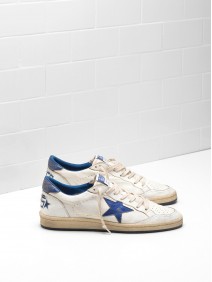
When comparing Golden Goose designs, check the measurements and construction rather than relying on appearance alone. A V-Star style range may have a different profile from a Mid Star, Superstar, or Francy, even if the listed size looks familiar. Each silhouette should be judged by its toe shape, upper materials, and fastening system.
UK shoppers often see Golden Goose sneakers listed in EU sizes. Conversion charts are useful, but they should be treated as a guide because branded footwear does not always match every standard chart exactly. For example, the difference between adjacent EU sizes can be more important than a general UK-to-EU conversion when your foot falls between measurements.
If you normally alternate between two sizes, focus on your longest foot and preferred sock thickness. Choose the larger option when your toes are close to the front or your forefoot feels compressed. Choose the smaller option only when the larger size has obvious heel movement and excessive length.
Before buying, compare the retailer’s return policy, delivery information, and product-specific measurements. Discounted outlet-style pricing can make a purchase attractive, but the fit should remain the main consideration. Free or fast shipping is useful, yet a convenient delivery option does not replace checking the size details.
Try the sneakers on a clean indoor surface so the soles remain returnable if the fit is unsuitable. Stand, walk, climb a few steps, and bend your knees. Your heel should stay mostly in place, the ankle collar should not cut into the skin, and your toes should not press against the front when your weight shifts forward.
Pay attention to pressure that appears after several minutes. Immediate discomfort across the little-toe area usually indicates insufficient width. A mild feeling of structure around a new leather upper may improve, but tingling, numbness, or sharp rubbing means the fit needs changing.
Use these practical checks before committing to a size:
A well-fitted Mid Star should feel secure without squeezing the forefoot. The laces should hold the heel and instep in place, while the toes remain relaxed and able to move. If your measurements fall between sizes, the larger size is often the safer choice for a wide foot, while a narrow foot may benefit from volume-reducing adjustments.
Browse the available Golden Goose styles and compare each product’s material, construction, and size information before ordering. With accurate measurements and a few careful fit checks, you can select a pair that feels comfortable from the first wear and continues to support your feet as the upper softens.