-
Your shopping cart is empty!

MENU
Your shopping cart is empty!
 New
-62%
 -63%
 -59%
 -63%
 -61%
 -61%
 -60%
 -62%
 -62%
 -60%
 -63%
 -59%
 -59%
 -64%
 -59%
 -64%
 -64%
 -61%
 -64%
 -62%
 -61%
 -62%
 -64%
 -62%
 -62%
 -64%
 -62%
 -62%
 -62%
 -61%
 -61%
 -62%
 -59%
 -61%
 -62%
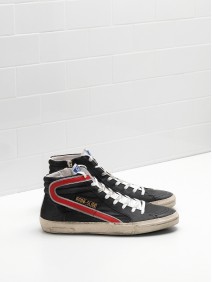 -64%
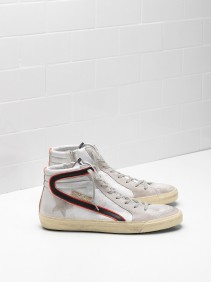 -61%
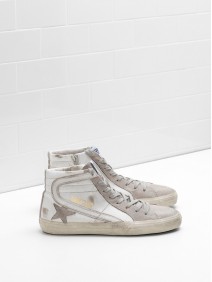 -62%
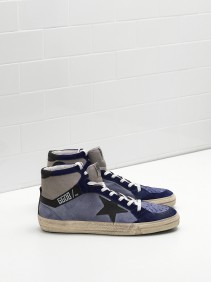 -62%
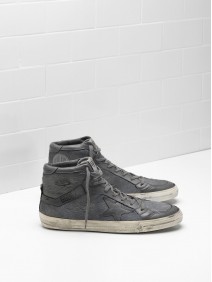 -61%
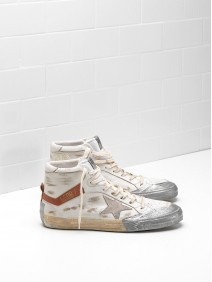 -59%
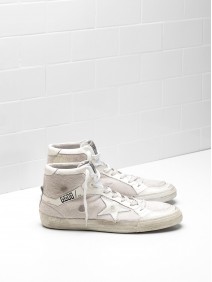 -64%
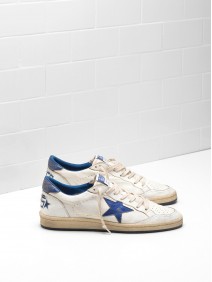 -62%
 -61%
Golden Goose slides look effortless, but a stylish pair can still become uncomfortable when the footbed feels too flat, the upper presses on the toes or the lining traps moisture. These Golden Goose Slide hacks use small, reversible changes that preserve the shoe’s design while helping it cope with long commutes, standing shifts and slow weekends. Learn more about Guide Des Normes électriques Pour Une Rénovation Complète.
The best adjustments suit your foot, your climate and the surface you walk on rather than turning every slide into a modified indoor shoe. A pair that feels good in a showroom may behave differently after a humid afternoon in Brisbane or a wet walk through central Melbourne, so test fit indoors before relying on it for a full day.
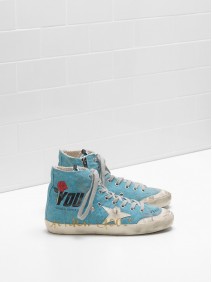
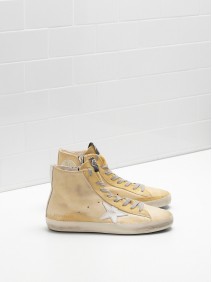
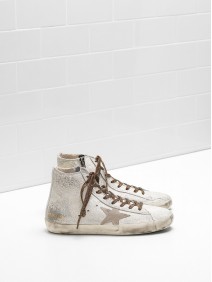
Golden Goose offers several silhouettes, so begin with shape rather than colour. Superstar, Francy, Mid Star, Haus Halley and Starter models may sit differently, and a slide that feels secure at the heel can still let the toes move. Compare your foot measurements with the specific listing rather than relying only on your usual sneaker size.
Try them on with the socks you normally wear for errands, then walk on a hard surface and flex your toes. If the footbed stays put while your foot moves inside it, the fit is not secure enough for long wear. Keep the original footbed if possible, because it provides much of the cushioning. Australian sizing can vary, so check measurements, ask for guidance when needed and retain the receipt until the fit has been tested.
A slim leather or suede footbed may provide little impact absorption for people who stand for hours. A full-length, low-profile insole can soften the ride without changing the visible profile. Choose one with a heel cup, arch support and a toe area that will not bunch, then test it with the shoe on.
For heel or side pressure, a thin gel or foam pad may help, but extra is not always better. Too much padding raises your foot and can make the upper press harder across the toes. Add one adjustment at a time. A heel grip or insert designed for loose footwear can stop the foot sliding forward, while thin, moisture-wicking socks reduce rubbing without crowding the toe box.
Discomfort usually appears beside the big toe, under the ball of the foot, around the heel or where the upper meets the footbed. Mark the affected area on the insole after removing the shoe, then check whether the same spot feels tender on the bare foot. This helps separate a rubbing upper from a pressure-sensitive foot.
If the bare foot is comfortable but the slide hurts, protect the contact point with a soft, skin-safe liner or reposition the footbed. Do not cover a spot that already hurts when you walk. If the bare foot is painful, consider a better-fitting pair or a more supportive insole. Make each change part of a deliberate plan rather than a quick fix, a principle that also applies to home projects: for wiring work, qualified local advice and electrical renovation guidance should take priority over improvised shortcuts.
Australian weather can challenge footwear quickly. Bright sun may dry and harden leather; humidity can leave liners damp; sudden rain can mark suede and make smooth pavers slippery. Treat leather and suede as dry-weather options when rain is likely, and inspect the outsole before stepping onto polished indoor floors. Check each listing because the upper, lining and sole vary between models.
| Construction detail | Comfort potential | Limitation to manage |
|---|---|---|
| Leather upper | Can mould to the foot and feel supportive | Can stiffen or crack when wet |
| Suede upper | Often feels light and supple | Shows water marks and dries slowly |
| Technical fabric | May suit warm, changeable conditions | Seam-heavy areas may rub |
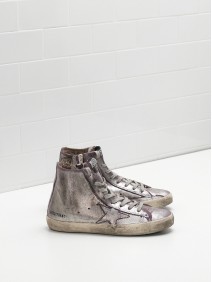
| Glitter detailing | Adds texture to the upper | Decoration can catch or rub skin |
| Rubber outsole | Provides a useful base when the tread is sound | Wear and a smooth floor can reduce grip |
Heat changes fit as well as comfort. Feet can swell slightly over a hot day, so avoid a pair that is already tight at midday. Light cotton or merino socks can control perspiration without crowding the toes. In Brisbane and other humid cities, let the lining dry fully overnight and avoid prolonged wear of damp slides, since moisture encourages rubbing.
Rain makes traction more important than cushioning. Choose routes with dry, textured ground and use another shoe if you expect continuous exposure to wet concrete, office floors or smooth escalators. A rubber sole does not guarantee grip: the tread pattern, its condition and the floor finish all matter, so clean the outsole and test cautiously.
Leather, suede, technical fabric and glitter finishes need different care, so read the product description before applying any cleaner. Dust loose suede with a soft brush and follow the manufacturer’s instructions for stains. Wipe leather with a suitable product, and avoid aggressive brushing around glitter that could loosen the finish. Remove the footbed or insole if the care instructions allow it.
Air the shoe away from direct heat and let wet footwear dry naturally. Strong sunlight may fade colour or stiffen an upper, while a heated dryer can distort materials. Use loose paper to absorb moisture only when the care guidance permits it. Small scuffs on the rubber sole do not always need restoration, but deep cuts or separating tread deserve professional assessment. Inspect the outsole after gravel or construction-site walking, since hidden damage can affect traction.
Slides suit short errands, relaxed office days and easy indoor movement, but some people need more structure for a long walk. Compare other styles before assuming a slide will be sufficient. The running styles collection offers alternatives with substantial soles, although a running-inspired look does not guarantee athletic performance. Check the stated cushioning and upper rather than relying on a model name.
In Sydney, a common routine combines trains, station platforms and pavement between stops. Allow time to test new footwear near your office rather than wearing an untested slide onto a crowded platform. In Melbourne, a changeable forecast makes a breathable alternative sensible when rain arrives, while a warm, dry day may make the slide easier. At home, rotate slides with supportive shoes during long shifts to give the footbed less constant flexing and damp lining time to recover.
Begin with one change, such as the correct size or a well-fitted insole, and test it over a realistic workday. Walk the distance you normally cover, notice where you shift your stance and check for redness or marks afterwards. Comfort should reduce the need to adjust the shoe; if it does not, revisit the fit rather than adding more padding. Persistent pain, swelling or numbness warrants professional advice.
Build a simple routine around the forecast and your schedule: keep a clean pair for indoor settings, dry wet slides before storing them, and use a more closed shoe for rain or long walks. Outlet pricing has not changed the legal baseline. Under Australian Consumer Law, discounted goods must still match their description and be of acceptable quality, so review the listing and your return options before buying.
Browse the Golden Goose online store to compare available slides, upper materials and sizing details, then choose a model for your usual indoor and outdoor use. Check the retailer’s delivery and returns information for your Australian address. Apply one or two comfort adjustments at home and give them a full week before making a final judgement.