-
Your shopping cart is empty!

MENU
Your shopping cart is empty!
 New
-62%
 -63%
 -59%
 -63%
 -61%
 -61%
 -60%
 -62%
 -62%
 -60%
 -63%
 -59%
 -59%
 -64%
 -59%
 -64%
 -64%
 -61%
 -64%
 -62%
 -61%
 -62%
 -64%
 -62%
 -62%
 -64%
 -62%
 -62%
 -62%
 -61%
 -61%
 -62%
 -59%
 -61%
 -62%
 -64%
 -61%
 -62%
 -62%
 -61%
 -59%
 -64%
 -62%
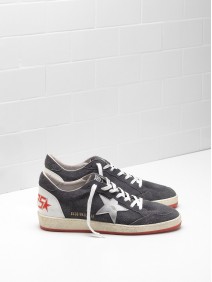 -61%
Golden Goose slides have a relaxed, easygoing shape, but their sizing can feel different from the brand’s closed sneakers. A sneaker wraps around the heel and upper, while a slide leaves more of the foot exposed. That difference changes how much room feels comfortable and how secure the sandal feels during walking.
Many shoppers begin with the size they already wear in Superstar, Francy, Mid Star, or another Golden Goose trainer. This is a sensible starting point, though it should not be the only factor. Foot width, instep height, sock habits, and the particular slide construction can all affect the best choice.
The safest approach is to compare your foot measurements with the product’s size guide and then consider how you want the sandals to fit. A casual poolside slide may feel comfortable with a little extra space, while an everyday leather pair should sit securely without slipping at the heel.
Golden Goose sneakers usually hold the foot in place with laces, a structured upper, and a closed heel. Small differences in internal length may be less noticeable because the foot is supported from several directions. Slides rely mainly on the footbed and a single upper strap, so movement is easier to detect.
A slide that is slightly too large can allow the heel to hang over the back or make the foot travel forward with every step. A pair that is too small may leave the toes close to the front edge and press across the widest part of the foot. Neither issue is always obvious when trying sandals on briefly, especially if the foot has not warmed up or expanded during the day.
The shape of the toe area matters as well. Some styles have a broad, open front, while others use a more shaped upper. Materials such as soft leather may relax with wear, but they should not be expected to compensate for a clearly unsuitable length.
For many wearers, Golden Goose slides are closest to their usual European size, which means they can often be ordered in the same size as Golden Goose sneakers. This does not guarantee an identical feel. Sneakers are commonly worn with socks and may have a snugger fit, whereas slides are normally worn barefoot and can feel roomier from the beginning.
If your sneakers fit comfortably with a small amount of space at the toes, your regular size is usually a reasonable slide starting point. If your sneakers already feel loose, choosing the same size in an open sandal could create too much movement. Conversely, people with wider feet may prefer enough length to avoid pressure across the forefoot, even when the heel area appears slightly more open.
The right fit should leave the toes fully supported by the footbed, with the heel resting on the sandal rather than extending beyond it. The upper should hold the foot gently without creating a deep indentation. Slides do not need to feel tight, but they should not require your toes to grip the footbed to stay in place.
Sizing decisions become easier when the differences between footwear types are considered together. The table below offers a general guide rather than a replacement for the measurements provided with a particular product.
| Footwear type | How it holds the foot | What a good fit feels like | Common sizing concern |
|---|---|---|---|
| Golden Goose sneakers | Laces, closed upper, and heel counter | Secure around the midfoot with comfortable toe room | Socks can make the shoe feel tighter |
| Golden Goose slides | Open heel and broad or shaped upper strap | Foot stays centred without toe gripping | Excess length can cause forward sliding |
| Leather slides | Flexible upper and structured footbed | Supportive, with gentle room across the forefoot | Leather may soften but will not add length |
| Sport or technical slides | Often lighter and more flexible | Stable during short walks and daily wear | A loose strap may reduce control |
| Wide-foot fit | More room needed across the front | No pressure at the little toe or instep | Sizing up may create too much heel space |
Use the measurement of your longer foot when comparing sizes. Stand on paper, mark the back of the heel and the longest toe, and measure the distance between those points. Repeat the process later in the day, when feet are often at their largest. Comparing that figure with the brand’s guide is more reliable than judging size from a familiar label alone.
A narrow foot may move inside a roomy slide even when the length is correct. In that situation, reducing the size can create toe pressure without solving the lack of width control. A style with a more secure strap or a shaped footbed may be a better answer than simply going down a size.
Wide feet should be checked across the forefoot and over the instep. If the upper presses at the sides, a larger size may provide extra length without giving enough width. Look for a design with a more accommodating strap, and inspect the listed materials. Supple leather can become more comfortable, while a firm upper may retain its original shape for longer.
High insteps also deserve attention. A slide can have the correct sole length but feel restrictive because the upper sits low across the foot. This is particularly important when shopping online, since photos do not always show the height or adjustability of the strap.
For shoppers browsing an outlet-style collection, it helps to compare the construction details rather than choosing only by colour or discount. Closed alternatives such as V-Star 2 styles can offer a more held-in feel, while a slide is better suited to easy on-and-off wear and warm-weather outfits.
Before ordering, take a few minutes to check the product information and compare it with a pair you already own. The size stamped inside your favourite sneaker is useful, but the actual foot length and the way that sneaker fits provide better evidence. Keep in mind whether you plan to wear the slides barefoot or with thin socks.
Photographs can also reveal useful details. Look for the visible outline of the footbed, the position of the strap, and whether the sole appears narrow or generous at the forefoot. Material notes such as leather, suede, technical fabric, and rubber sole construction can help indicate how the sandal may feel, although they cannot replace trying it on.
When standing, your heel should sit within the rear edge of the footbed and your toes should remain comfortably inside the front edge. A tiny amount of visible space is normal, but a pronounced gap can make the sandal look oversized and feel unstable. Walk on a clean indoor surface to see whether the foot remains centred.
The upper should stay in contact with the foot without digging into the skin. If the strap leaves strong marks immediately, the slide may be too small, too narrow, or unsuitable for your instep. If your toes curl or grip while walking, the sandal may be too loose or the footbed may not match your shape.
Also assess the pair at different times of day. Feet can swell after several hours of standing, so a fit that feels perfect in the morning may become restrictive later. Trying the sandals with the conditions in which you expect to wear them gives a more realistic result.
Golden Goose slides often work well in the same size as the wearer’s regular Golden Goose sneakers, but “true to size” should be treated as a starting point rather than an absolute rule. The open design, barefoot wear, strap shape, and foot profile all influence the final fit.
Use your sneaker size as a reference, measure your feet, and check the individual product details before ordering. For a stable everyday fit, prioritise a centred foot, supported toes, and a heel that stays on the footbed. Explore the available discounted Golden Goose styles, compare the specifications carefully, and select the pair that gives you secure comfort from the first step.