-
Your shopping cart is empty!

MENU
Your shopping cart is empty!
 New
-62%
 -63%
 -59%
 -63%
 -61%
 -61%
 -60%
 -62%
 -62%
 -60%
 -63%
 -59%
 -59%
 -64%
 -59%
 -64%
 -64%
 -61%
 -64%
 -62%
 -61%
 -62%
 -64%
 -62%
 -62%
 -64%
 -62%
 -62%
 -62%
 -61%
 -61%
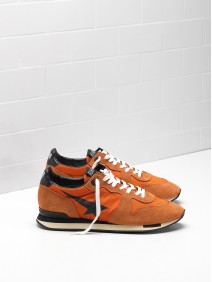 -62%
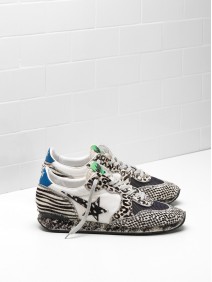 -59%
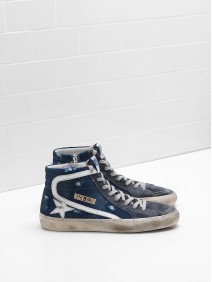 -61%
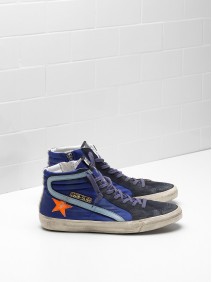 -62%
 -64%
 -61%
 -62%
 -62%
 -61%
 -59%
 -64%
 -62%
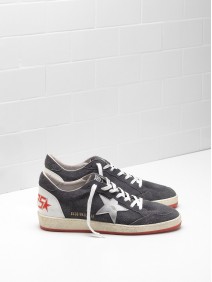 -61%
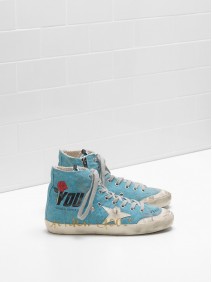
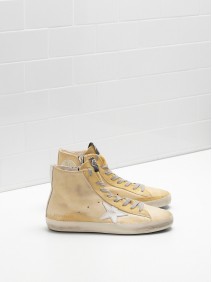
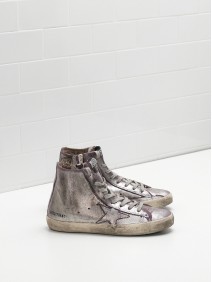
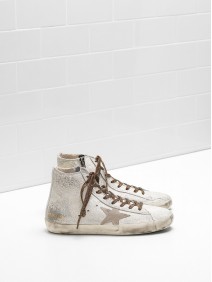
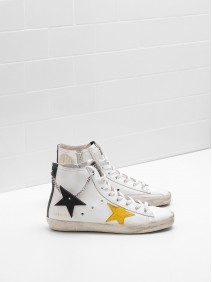
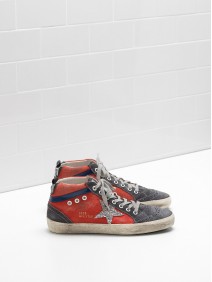
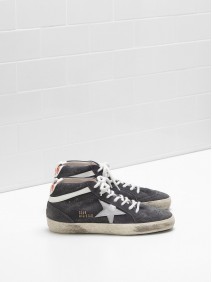
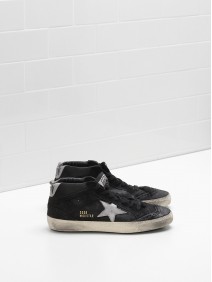
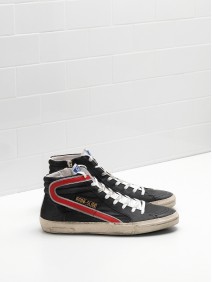
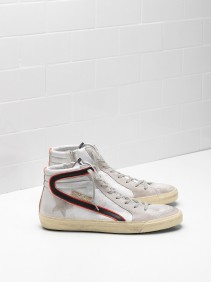
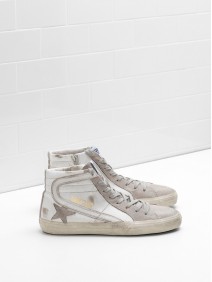
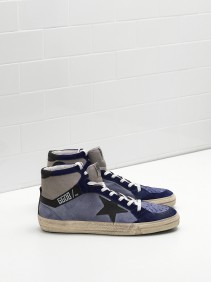
Golden Goose sneakers are known for a finish that looks lived-in from the first wear. Scuffed panels, softened edges, faded colour and marked rubber soles are part of the visual language, rather than signs that a pair has been neglected. With regular use, the leather develops further character while retaining the relaxed look associated with the brand.
The way a pair changes depends on its leather type, colour, weather exposure and frequency of wear. Smooth leather may become glossier at contact points, while suede can grow softer and show darker or lighter patches. Glitter, technical fabric and rubber components age differently, so the complete sneaker often becomes a record of how it has been worn.
For shoppers comparing Superstar, Francy, Mid Star, Haus Halley, Starter, Running and Slide styles, understanding this process helps set realistic expectations. A distressed finish will evolve, but sensible care can keep the materials comfortable, stable and attractive for years.
Distressing is a designed treatment that gives the upper a vintage appearance. It may include deliberate abrasions, uneven colouring, faded panels, worn-looking star details and marks around the toe box. These features are usually placed to resemble the changes that happen naturally after repeated wear.
The important distinction is between cosmetic distressing and material failure. A pale line on a leather crease can be part of the intended appearance, while a split seam, deep crack or lifting sole requires attention. Familiarity with the original design makes it easier to recognise whether a new mark adds character or indicates damage.
Leather also responds to touch and movement. Areas that bend frequently, such as the vamp and ankle collar, gradually become more supple. The distressed surface may appear less uniform as oils from the skin, dust and friction interact with the finish.
During the first few wears, the most visible changes usually appear around the toe, lace area and heel counter. These zones flex, rub against clothing and contact the ground repeatedly. Light-coloured leather can show darker handling marks, whereas black or deep-toned leather may develop a subtle sheen.
Creasing is normal when the shoe fits correctly and the foot bends naturally. It does not automatically mean that the leather is poor quality. A shoe that is too large may crease sharply because the foot slides forward, while a tight shoe can experience excessive pressure across the upper. Proper sizing therefore affects both comfort and long-term appearance.
Weather has a strong influence too. Rain can temporarily darken leather and make suede look uneven. Once the sneakers dry slowly at room temperature, much of that contrast may soften. Direct heat from a radiator or hairdryer is more dangerous because it can pull moisture from the leather and make it brittle.
There is no fixed timetable for patina because daily use varies widely. A pair worn several times a week on pavements will change faster than one reserved for occasional indoor use. The following guide describes common visual developments rather than guaranteed stages.
| Wear period | Likely visual changes | Best response |
|---|---|---|
| First few wears | Fresh creases, small surface marks and slight sole darkening | Brush away dust and allow the pair to air |
| One to three months | Softer leather, stronger creasing and more visible scuff contrast | Use a suitable cleaner sparingly |
| Three to twelve months | More pronounced patina, softened edges and possible colour variation | Condition smooth leather when it feels dry |
| After a year or more | Deeper character, compressed cushioning and accumulated wear | Inspect seams, lining and outsole regularly |
The finish may become more attractive as the contrast between distressed patches and natural wear increases. Smooth leather often gains a mellow glow at the toe and sides, while suede can develop a directional nap that changes shade when brushed.
However, heavy staining should not be confused with patina. Oil, road salt and soaked dirt can leave marks that continue to spread if they are ignored. Prompt, gentle cleaning gives the sneaker a better chance of aging evenly.
The Superstar typically shows wear across its low profile, especially at the toe shell, star panels and flat rubber sole. Because the shoe sits close to the ground, pavement dust can become part of its appearance quickly. A soft brush is usually enough for loose debris between deeper cleanings.
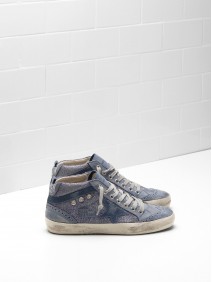
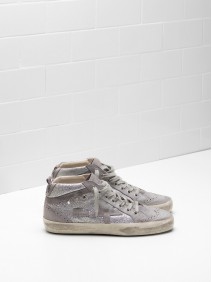
Francy and Mid Star designs have taller uppers, so their ankle panels and heel sections experience additional creasing. If stored folded or compressed, these areas may lose their shape. Keeping the shaft upright with plain, breathable support helps preserve the silhouette without stretching the leather.
Haus Halley and fashion-led variations may combine leather with glitter, suede or other decorative materials. These surfaces should not all receive the same product. A leather conditioner can stain glitter or flatten delicate nap, so cleaning should follow the material rather than the overall appearance of the sneaker.
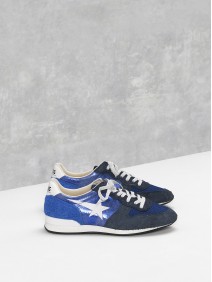
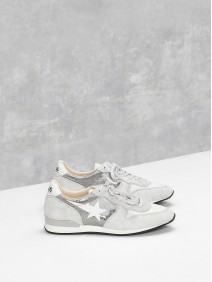
Running and Starter styles may include technical fabric, mesh or more flexible panels. These sections can collect dust in their weave and may show abrasion sooner than coated leather. Slide styles have fewer structural components, but their exposed footbeds and soles can still darken with repeated use.
Good maintenance is less about making distressed sneakers look new and more about preventing avoidable deterioration. The aim is to preserve flexibility, remove harmful residue and let the planned worn effect remain visible.
For smooth leather, a small amount of neutral conditioner can help when the surface feels dry or looks unusually dull. Apply it thinly and avoid covering intentionally faded sections with heavy polish. Suede generally benefits from dry brushing and a specialist suede product rather than oily creams.
Storage also affects aging. Keep sneakers in a cool, dry place with enough room for air circulation. If the pair becomes wet, remove loose insoles where possible and let every component dry fully before wearing it again.
A new pair can arrive with temporary creases from packing or transport. These marks often relax after the sneaker is filled lightly with clean paper and left undisturbed. Avoid forcing the leather outward with excessive stuffing, as this can distort the toe or stretch decorative panels.
For UK-focused orders, delivery conditions can be part of planning, particularly when choosing a pair for a trip or event. Details about free fast shipping can clarify eligible destinations and help you organise the arrival before the first wear.
Once delivered, inspect the materials in natural light. Check that the leather panels, stitching, sole bonding and decorative details match the product description. Photographing the pair before use can also make it easier to distinguish original distressing from later wear.
Aged leather may show folds, tonal variation and shallow scuffs while remaining fully functional. Problems become more serious when cracks open through the surface, seams begin to separate or the outsole loses contact with the upper. These issues can worsen quickly if the sneaker continues to be worn in wet conditions.
Salt marks deserve particular care because they can draw moisture toward the surface and leave a chalky residue. Wipe them gently with a barely damp cloth appropriate for the material, then let the shoe dry naturally. Repeated soaking, aggressive scrubbing and household detergents can remove colour or weaken the finish.
If the lining becomes rough or the heel counter collapses, comfort may decline even when the exterior still looks attractive. A professional shoe repairer can assess sole bonding, stitching and structural wear before a small issue becomes an expensive repair.
The appeal of distressed leather is its ability to become personal. Two pairs with the same original finish can look quite different after months of walking, commuting and travelling. Light marks around the toe, softened leather at the ankle and a gently darkened sole can make the sneakers feel connected to their owner.
When choosing a pair, consider how the materials fit your routine. Smooth leather is relatively straightforward to maintain, suede rewards careful brushing, and glitter or technical fabric calls for more selective cleaning. A model that suits your habits is more likely to develop an attractive finish rather than suffer avoidable damage.
Choose a Golden Goose pair that works with your wardrobe, wear it regularly, and care for the materials with a light touch. Let the surface change naturally while responding quickly to moisture, salt and structural problems, so the sneakers can build character without losing their comfort or shape.