-
Your shopping cart is empty!

MENU
Your shopping cart is empty!
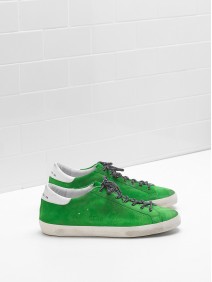 New
-62%
New
-62%
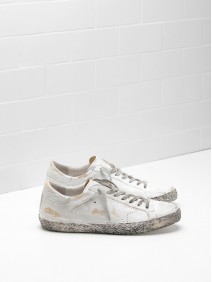 -63%
-63%
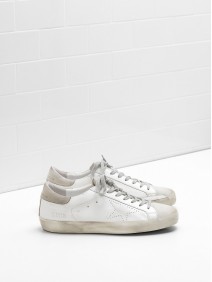 -59%
-59%
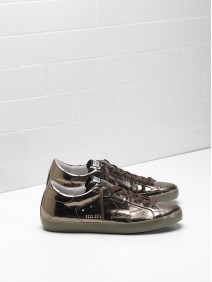 -63%
-63%
 -61%
-61%
 -61%
-61%
 -60%
-60%
 -62%
-62%
 -62%
-62%
 -60%
-60%
 -63%
-63%
 -59%
-59%
 -59%
-59%
 -64%
-64%
 -59%
-59%
 -64%
-64%
 -64%
-64%
 -61%
-61%
 -64%
-64%
 -62%
-62%
 -61%
-61%
 -62%
-62%
 -64%
-64%
 -62%
-62%
 -62%
-62%
 -64%
-64%
 -62%
-62%
 -62%
-62%
 -62%
-62%
 -61%
-61%
 -61%
-61%
 -62%
-62%
 -59%
-59%
 -61%
-61%
 -62%
-62%
 -64%
-64%
 -61%
-61%
 -62%
-62%
 -62%
-62%
 -61%
-61%
 -59%
-59%
 -64%
-64%
 -62%
-62%
 -61%
-61%
A firm heel counter can make a new pair of Golden Goose sneakers feel uncomfortable before the leather, suede or technical fabric settles around your foot. This is especially noticeable in low-cut styles, where the back edge may rub the Achilles tendon during the first few wears.
Breaking in should be gradual rather than painful. The aim is to soften pressure points, build wearing time slowly and protect your skin while the sneaker moulds to your stride. A careful approach works for Superstar, Francy, Mid Star, Haus Halley, Starter, Running and Slide-inspired designs.
A stiff heel is sometimes a construction feature, but it can also reveal a sizing problem. With the sneaker fastened, your heel should remain seated without your toes being pushed against the front. Allow a small amount of movement, but not enough for the foot to slide forward and back with every step.
Try both sneakers at the end of the day, when feet are naturally a little larger. Wear the socks you expect to use regularly and walk across a hard floor for several minutes. In Australia, where many people move between air-conditioned offices and hot pavements, feet can swell during a long commute, so a fit that feels perfect first thing in the morning may become tight later.
Look at the heel seam and collar as well as the length. Decorative distressing does not mean the internal structure is soft, and a glitter panel or leather overlay may feel different from the material around the ankle. If the heel lifts significantly, breaking in will not solve the underlying fit issue.
Before wearing the sneakers outdoors, inspect the inside with your fingers. Feel for a raised seam, rough edge, loose thread or fold in the lining. A small piece of smooth moleskin or a purpose-made heel grip can cover a troublesome area, provided it does not make the shoe so tight that your heel is compressed.
Apply the protective patch to clean, dry skin or to the shoe according to the product instructions. Hydrocolloid blister patches are useful when a hot spot has already developed, while sports tape can protect intact skin during a short trial. Do not wait for a blister to become painful before reducing friction.
Thin, smooth socks often create less rubbing than bare feet. For a new pair, choose socks with a secure heel and no bulky seam. In cooler parts of Melbourne or Canberra, a slightly thicker sock may help, but check that it does not crowd the toes or force the heel upward.
Wear the sneakers at home for 15 to 30 minutes at a time. Walk, sit, climb a few stairs and flex your ankles, then remove them before the heel becomes sore. Repeat this over several days, increasing the session by roughly 15 minutes when the previous wear caused no redness or discomfort.
A short indoor trial is particularly practical for Australians buying online, because it lets you assess the heel before taking a new pair onto Sydney footpaths or Brisbane’s warm, humid streets. Keep the original packaging and avoid marking the outsole until you are confident about the fit and the store’s return conditions.
When the shoe begins to feel less rigid, use it for a brief local errand rather than a full day. A café visit or a short walk to the train station is safer than making new sneakers your choice for a long shopping trip, festival or day of sightseeing.
Flex the sneaker gently by hand at the forefoot and heel. Do not force the back panel sharply, twist the shoe, or crush the counter. Controlled movement can help leather become more supple, while aggressive bending may create creases, detach a finish or distort the silhouette.
A leather conditioner may be suitable for plain, smooth leather, but test it first on an unseen area and follow the manufacturer’s directions. Suede, glitter, metallic finishes and technical fabric need different care. Keep oils, conditioners and water away from decorative panels unless the care guidance specifically permits them.
Avoid hairdryers, heaters and leaving the sneakers inside a hot car. Australian summer temperatures can already place stress on adhesives and finishes, especially in a parked vehicle in Perth, Adelaide or regional areas. If the sneakers become damp, stuff them loosely with plain paper and let them dry at room temperature.
Heel grips can improve hold when the back of the sneaker is slightly loose, but they are not a solution for a shoe that is too short. Choose a slim, well-finished grip and press it firmly into place. A cushioned Achilles pad can also reduce contact with the collar during early wears.
Lacing changes can make a substantial difference. Keep the lower eyelets comfortable and use the upper eyelet to create a secure heel-lock pattern, provided the collar does not press into the tendon. The goal is to prevent sliding without pulling the tongue or squeezing the top of the foot.
For people who walk extensively in cities such as Sydney, Melbourne or Perth, alternate between the new sneakers and a comfortable broken-in pair. Rotating footwear gives irritated skin time to recover and prevents one stiff heel from absorbing every kilometre of a daily commute.
The best method depends on the material, the amount of heel movement and whether your skin is already irritated. Begin with the least invasive option and change only one variable at a time, so you can identify what helps.
| Method | Best for | Main benefit | Caution |
|---|---|---|---|
| Short indoor wear | Any new sneaker | Builds tolerance gradually | Stop at the first hot spot |
| Smooth heel grip | Slight heel movement | Reduces sliding and friction | Can make a tight fit tighter |
| Hydrocolloid patch | Early rubbing or a small blister | Protects skin while healing | Replace according to directions |
| Gentle hand flexing | Firm leather structure | Encourages natural movement | Do not bend decorative panels |
| Heel-lock lacing | Loose-feeling fit | Holds the heel in place | Avoid excessive pressure |
| Professional shoe repair | Persistent rigid pressure | Allows careful stretching or padding | Use an experienced cobbler |
A reputable shoe repairer can sometimes stretch a leather heel area by a small amount or add a protective lining. This is more appropriate than attempting a drastic home alteration, particularly when the sneaker combines leather with suede, glitter or bonded technical fabric.
Mild awareness during the first few sessions is common; sharp pain, numbness, skin tearing or a deep red mark that remains after removing the shoe is not. Take the sneakers off, clean and protect the affected skin, and allow it to recover before trying again.
Do not cut the heel counter, soak the sneakers, or apply strong solvents. These shortcuts can permanently damage the structure and may affect your ability to seek a remedy. Check the retailer’s written returns policy before modifying the shoes, since added grips, conditioner or outdoor wear may complicate a change-of-mind return.
Australian Consumer Law generally provides consumer guarantees that goods are of acceptable quality and fit for a disclosed purpose. A discounted or outlet price does not automatically remove those guarantees, although a clearly disclosed fault may affect a claim about that particular fault. Keep your receipt, order details and photographs of any manufacturing issue, and contact the seller promptly.
For a new pair with a normal but firm heel, explore the range of women’s Superstar styles and choose a model whose materials and heel shape suit your routine. Check sizing information, delivery terms and care details before ordering, especially when purchasing from an online retailer serving UK-oriented shoppers.
Begin with protected, short sessions and let the sneakers adapt at their own pace. Once the heel stays secure, the lining feels comfortable and your skin remains clear after a normal walk, wear them for longer Australian commutes and weekend outings. Use the right grip or lacing adjustment, care for the materials gently, and keep your purchase records safely stored.