-
Your shopping cart is empty!

MENU
Your shopping cart is empty!
 New
-62%
 -63%
 -59%
 -63%
 -61%
 -61%
 -60%
 -62%
 -62%
 -60%
 -63%
 -59%
 -59%
 -64%
 -59%
 -64%
 -64%
 -61%
 -64%
 -62%
 -61%
 -62%
 -64%
 -62%
 -62%
 -64%
 -62%
 -62%
 -62%
 -61%
 -61%
 -62%
 -59%
 -61%
 -62%
 -64%
 -61%
 -62%
 -62%
 -61%
 -59%
 -64%
 -62%
 -61%
A fresh pair of sneakers can look instantly relaxed while still feeling firm around the heel, toes, or sides of the foot. Leather, suede, glitter panels, and technical fabric all respond differently during the first few wears, so comfort usually comes from a gradual routine rather than forcing the shoe to stretch quickly.
Golden Goose styles are designed with distinctive silhouettes and cushioned rubber soles, but the ideal break-in method depends on the model, your foot shape, and the type of pressure you feel. A little preparation can reduce rubbing, blisters, and soreness while helping the upper mold naturally to your foot.
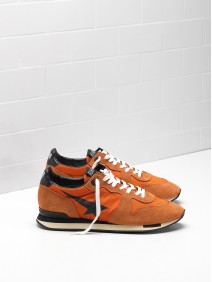
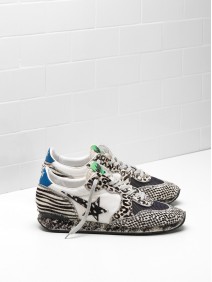
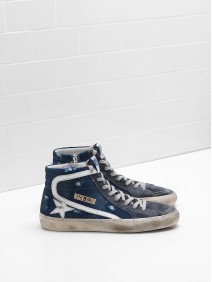
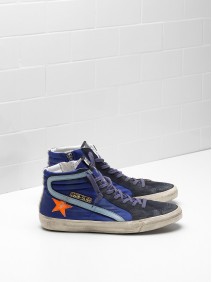
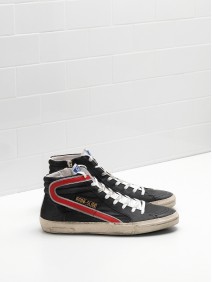
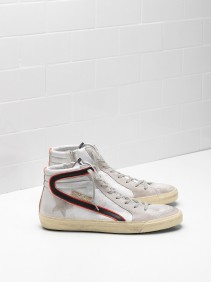
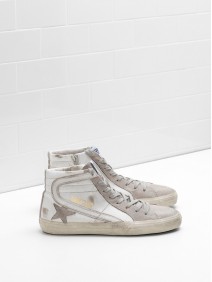
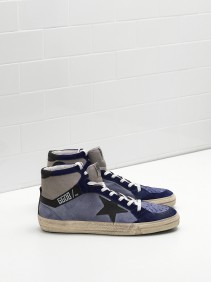
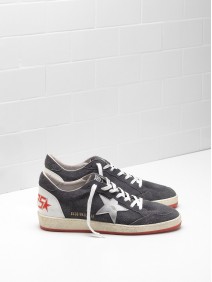
When choosing a pair, compare the construction, fastening system, and intended use before focusing on appearance alone. You can browse the Golden Goose outlet selection for women’s and men’s models, including Superstar, Francy, Mid Star, Haus Halley, Starter, Running, and Slide styles, with UK-oriented shopping, discounted pricing, and free fast shipping.
New sneakers often feel uncomfortable because their upper has not yet adapted to the movement of your foot. Leather may be firm across the instep, suede can feel structured at the sides, and glitter or coated details may have less flexibility than a plain leather panel. The heel counter can also rub until it softens slightly.
A close fit is different from a painful fit. Your toes should have room to move, and your heel should remain reasonably secure without being squeezed. If your toes touch the front, your foot hangs over the sole, or numbness develops, the problem may be sizing rather than a need for breaking in.
Foot swelling also affects comfort. Feet tend to expand later in the day, after walking, or during warm weather. Trying new sneakers indoors during the afternoon gives you a more realistic fit check and makes it easier to stop before irritation becomes a blister.
Start by checking the inside of each shoe for rough seams, loose threads, or raised edges. Run your fingers around the heel collar and toe box, then remove any temporary packaging. If a seam is pressing against a sensitive area, identify it before wearing the sneakers outside.
Wear socks that match your intended use. Medium-thickness cotton or athletic socks can provide a buffer during early sessions, while seamless socks are useful if you are prone to rubbing. Avoid very thin socks for the first few wears, since they offer little protection at the heel and forefoot.
Apply a small amount of foot balm or anti-chafing stick to areas that commonly rub, such as the back of the heel, little toe, and side of the big toe. Do not coat the inside of the sneaker with oil or heavy conditioner, as excess moisture can affect suede, glitter, adhesives, and breathable fabric.
The safest approach is to begin with short indoor sessions of 20 to 30 minutes. Walk across different surfaces, sit down, climb a few stairs, and notice whether the pressure changes as your feet move. Remove the sneakers at the first sign of hot, stinging, or pinching skin.
Repeat the session over several days, adding 15 to 30 minutes when the previous wear felt comfortable. Once you can wear the shoes indoors for a couple of hours without a hot spot, try a brief outdoor trip on a flat route. This gradual sneaker break-in process allows the upper and insole to adjust without overloading one area of your foot.
Avoid making the first outing a full day of shopping, commuting, or travel. If discomfort appears outdoors, you may not have an easy way to change shoes. Carrying plasters or gel blister pads is useful, but protective products work best when applied before the skin breaks.
For a heel that slips or rubs, try a heel-lock lacing pattern if the sneakers have suitable eyelets. Feed the laces through the upper eyelets to create small loops, cross the lace ends through those loops, and tighten gently. This secures the heel while reducing the need to cinch the entire shoe.
If the toe box feels mildly firm, wear the sneakers at home with regular socks for short periods. A shoe tree adjusted conservatively can help maintain shape between wears, though it should never force the upper outward. Professional stretching is a better option for expensive materials or a persistent pressure point.
Do not use a hairdryer on high heat, soak the sneakers, or place them near a radiator. Heat can dry leather, distort adhesives, mark suede, and affect decorative finishes. Freezing methods are also unpredictable and may cause damage without solving the underlying fit issue.
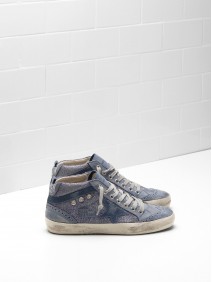
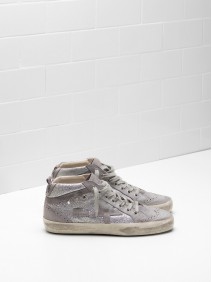
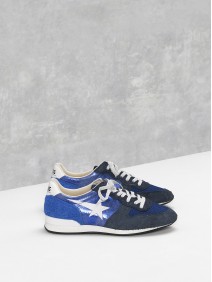
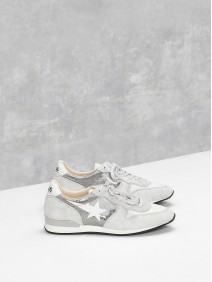
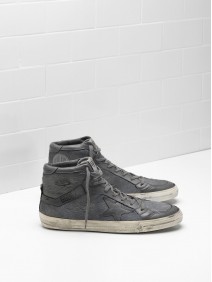
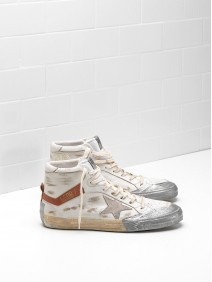
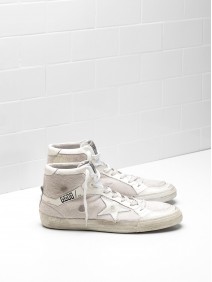
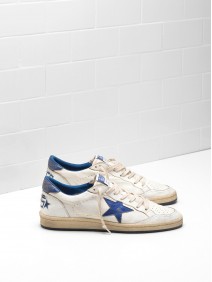
Different Golden Goose designs call for slightly different expectations. Low-top styles may loosen around the forefoot quickly, while high-top or mid-top models can require extra attention around the ankle. Running-inspired pairs may feel flexible sooner, whereas a structured fashion sneaker with layered panels may retain its shape for longer.
| Sneaker feature | Common early pressure | Helpful approach |
|---|---|---|
| Leather upper | Instep, sides, heel collar | Short wears with cushioned socks and gentle movement |
| Suede panels | Toe box and lateral edges | Keep dry and use gradual indoor sessions |
| Glitter or coated details | Stiff decorative sections | Avoid heat, bending, and aggressive stretching |
| Technical fabric | Lace area or heel | Adjust lacing and check sock thickness |
| High-top construction | Ankle and Achilles area | Loosen upper eyelets and build wear time slowly |
| Rubber sole | Overall stiffness underfoot | Walk indoors first before longer routes |
Slides and other open styles may require less upper break-in, but they can create pressure across the top of the foot if the strap is too firm. Wear them briefly at first and check whether the sole supports your arch comfortably. A slide that constantly makes your toes grip to keep the shoe in place may be unsuitable for long walks.
A simple routine helps you identify whether the discomfort is temporary stiffness or a genuine fit problem. Use these steps during the first week:
Keep the sneakers clean and dry between sessions. Brush loose dirt from suede with an appropriate suede brush, wipe smooth leather with a soft cloth, and allow damp footwear to air-dry naturally. Maintaining the materials helps them soften evenly and protects the finish during the adjustment period.
If one foot is larger than the other, fit the larger foot first and use a thin insole or heel grip only if needed on the smaller side. Insoles can change the available room, so check that they do not push your toes into the front or lift your heel excessively.
The best break-in result is a sneaker that feels secure, flexible, and comfortable at the end of a normal walk. Take time to compare silhouettes and materials, then begin with controlled wear rather than testing a new pair on an all-day outing. Browse the available styles, choose the construction that suits your routine, and start your first wear with cushioned socks and a short indoor walk.