-
Your shopping cart is empty!

MENU
Your shopping cart is empty!
 New
-62%
 -63%
 -59%
 -63%
 -61%
 -61%
 -60%
 -62%
 -62%
 -60%
 -63%
 -59%
 -59%
 -64%
 -59%
 -64%
 -64%
 -61%
 -64%
 -62%
 -61%
 -62%
 -64%
 -62%
 -62%
 -64%
 -62%
 -62%
 -62%
 -61%
 -61%
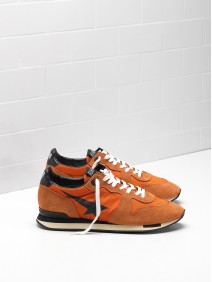 -62%
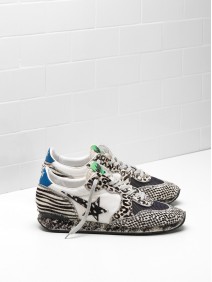 -59%
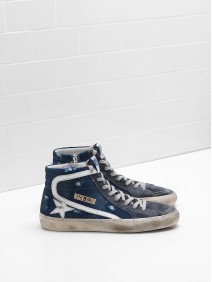 -61%
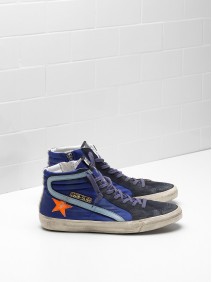 -62%
 -64%
 -61%
 -62%
 -62%
 -61%
 -59%
 -64%
 -62%
 -61%
A fresh pair of Golden Goose sneakers can feel firmer than expected, especially around the heel counter, tongue, ankle collar, and sides of the toe box. Premium leather, suede overlays, glitter panels, and structured rubber soles need a short adjustment period before they feel naturally flexible.
The fastest approach is gradual wear rather than forcing the shoes through a full day immediately. A few controlled sessions at home, combined with gentle movement and targeted protection, can soften pressure points while helping the upper mold to your feet.
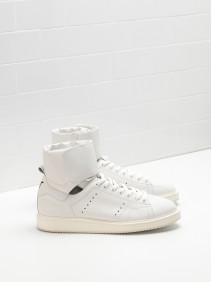
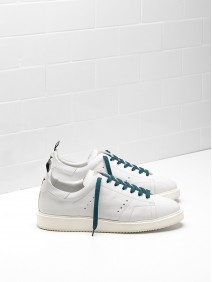
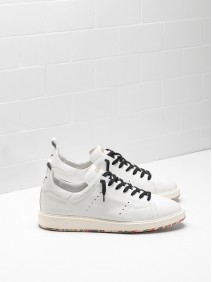
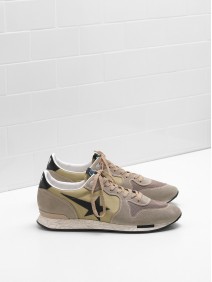
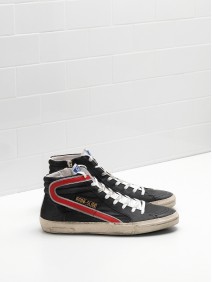
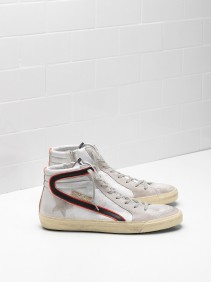
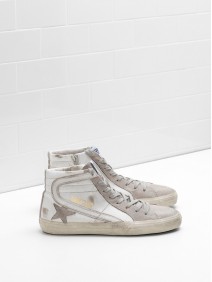
Whether you choose Superstar, Francy, Mid Star, Haus Halley, Starter, Running, Slide, or a V-Star-inspired design, the same principle applies: preserve the sneaker’s shape while reducing friction. Browse the Golden Goose collection to compare women’s and men’s styles, materials, and outlet-focused offers before choosing your next pair.
Put on the sneakers with the socks you expect to wear regularly and walk indoors for ten to fifteen minutes. Notice whether the discomfort comes from rubbing, pressure, stiffness, or a tight fit. These sensations require different solutions, so identifying the exact problem prevents unnecessary stretching.
The heel is a common trouble spot because a new counter can grip the back of the foot. The tongue may press against the instep, while leather or suede around the forefoot can feel rigid. Glitter and technical fabric panels often behave differently from soft leather, so do not assume every section will loosen at the same rate.
A little snugness is normal during sneaker break-in, but sharp pain, numbness, or persistent toe pressure suggests a sizing issue. No stretching technique can reliably compensate for shoes that are too short or too narrow.
Start with clean, dry feet and medium-weight cotton or cushioned socks. The extra protection reduces friction and gives the upper a consistent shape to follow. Avoid wearing very thin socks during the first few sessions, particularly if the heel collar feels firm.
Apply a small amount of leather conditioner only to smooth leather sections if the care instructions allow it. Keep conditioner away from suede, glitter, metallic finishes, and technical textiles, since oils can darken or mark decorative surfaces. A soft brush is safer for lifting suede nap and removing dust.
For immediate comfort, place heel grips, moleskin, or blister-prevention patches on areas that rub. These products do not truly stretch the sneaker, but they make gradual wear more comfortable. Loosen the laces across the instep and use the upper eyelets only when you need additional heel stability.
Wear your sneakers indoors for fifteen to thirty minutes at a time during the first day. Walk across different surfaces, climb a few stairs, and flex your feet naturally. This lets you assess the fit without exposing the shoes to rain, dirt, or a long commute before they are comfortable.
On the next few days, add fifteen-minute increments if your feet feel fine. A practical schedule is to use the shoes for one hour on day two, two hours on day three, and a half day after that. Give your feet and sneakers a rest between sessions so moisture can evaporate and the materials can recover.
| Problem Area | Helpful Method | Avoid |
|---|---|---|
| Heel rubbing | Heel grips, moleskin, thicker socks | Long first-day walks |
| Tight instep | Loosen laces, short indoor sessions | Pulling laces excessively tight |
| Stiff leather toe box | Gentle flexing while walking | Bending the toe sharply by hand |
| Suede pressure point | Soft socks and gradual wear | Oils, heat, or soaking |
| Rigid sole feel | Indoor walking on clean floors | Running before the sole adapts |
Do not use a hairdryer, radiator, or direct sunlight to speed up the process. Excessive heat can dry leather, distort adhesives, damage glitter, and cause uneven creasing. Water-soaking sneakers is equally risky, particularly when different materials are combined in one upper.
Before wearing the pair, hold each sneaker with both hands and make a few gentle flexing movements at the natural ball-of-foot area. The motion should resemble the way the shoe bends during a normal step. Avoid folding the shoe in half or forcing the toe upward, as this can create harsh creases.
A short indoor walk is usually more effective than aggressive manual stretching. Your foot applies pressure in the correct places, allowing the leather or fabric to adapt while the rubber sole gradually becomes less rigid. If the shoe has a thick platform or structured outsole, expect the sole to take longer to feel supple than the upper.
For tight lacing zones, skip an eyelet over the pressure point or use a parallel lacing pattern. This reduces compression across the instep without making the sneaker unstable. Once the material relaxes, you can return to a standard lacing arrangement.
Smooth leather generally softens with body heat and regular movement. Suede can also become more comfortable, but it should be protected from moisture and oily products. Brush suede gently with a suitable suede brush before and after wear, keeping the nap even rather than pressing it flat.
Glitter, metallic details, and printed panels need a lighter touch. Avoid rubbing them with rough fabrics or applying conditioner. Technical fabric may feel comfortable quickly but can still have stiff seams or reinforced edges. Check those areas for friction and use a protective patch instead of trying to stretch the entire upper.
Rubber soles often feel firm when new, especially on lifestyle models designed for a substantial streetwear profile. Walk on clean indoor flooring first, then move to dry outdoor surfaces. This helps the tread settle while protecting the finish from unnecessary scuffing.
A mild warm sensation or slight pressure during the first sessions can be part of normal adjustment. Pain that gets worse as you walk, however, is a warning. Remove the sneakers if you develop a blister, tingling, swelling, or a sore spot that remains sensitive after the shoes come off.
Check the fit again while standing, since feet expand during the day. Your toes should be able to move, and the heel should remain secure without being squeezed. If the foot slides forward, try a different lacing pattern or a thin insole before assuming the sneaker needs stretching.
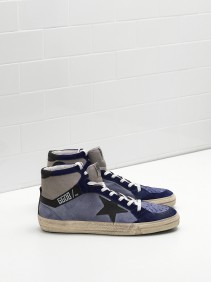
When shopping for a specific colorway or silhouette, inspect its construction before purchase. For example, the V Star 2 style may combine contrasting panels and a distinctive sole profile, so the break-in feel can differ from a low-profile Superstar or a softer Running model.
The following routine balances comfort, speed, and material care:
Rotating between two pairs can make the process easier. Your feet receive a break, while each sneaker has time to dry and settle between wears. Cedar shoe trees or plain acid-free tissue can help preserve the shape, provided they are not forced into a tight toe box.
With patience, most new Golden Goose sneakers become more comfortable after several short outings. Protect vulnerable areas first, let the materials respond gradually, and treat each finish according to its care needs. Choose your preferred pair, start with a controlled indoor session, and build toward all-day wear once every step feels secure.