-
Your shopping cart is empty!

MENU
Your shopping cart is empty!
 New
-62%
 -63%
 -59%
 -63%
 -61%
 -61%
 -60%
 -62%
 -62%
 -60%
 -63%
 -59%
 -59%
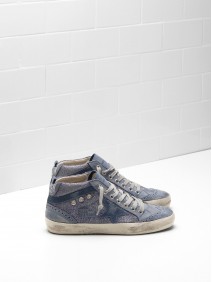 -64%
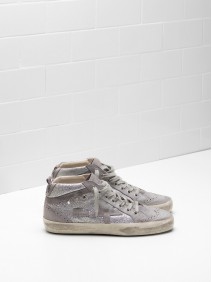 -59%
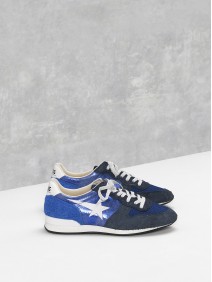 -64%
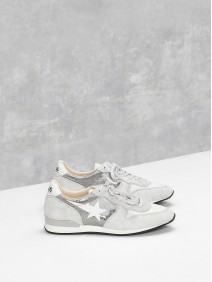 -64%
 -61%
 -64%
 -62%
 -61%
 -62%
 -64%
 -62%
 -62%
 -64%
 -62%
 -62%
 -62%
 -61%
 -61%
 -62%
 -59%
 -61%
 -62%
 -64%
 -61%
 -62%
 -62%
 -61%
 -59%
 -64%
 -62%
 -61%
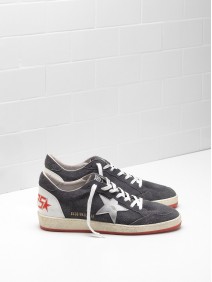
Finding fashionable sneakers that accommodate a broader foot requires more than choosing a larger size. Extra length can leave the heel slipping while the forefoot still feels compressed. With Golden Goose styles, the shape of the toe box, the flexibility of the upper, and the structure around the midfoot all influence comfort.
The brand’s collection includes low-top, high-top, platform, slip-on, and running-inspired designs. Distressed finishes, layered panels, suede, leather, glitter, and technical fabric create different levels of softness and support. Knowing how these details affect fit makes it easier to select a pair that looks distinctive without putting pressure on the toes.
UK shoppers can also compare outlet pricing, available sizes, and delivery options before ordering. A careful fit check is especially important when buying discounted footwear, since popular sizes may sell quickly and exchanges may depend on the retailer’s policy.
Begin by measuring both feet at the end of the day, when they are usually at their largest. Stand on a sheet of paper while wearing the socks you expect to use with the sneakers. Mark the heel and longest toe, then measure the width across the widest part of the forefoot. Use the larger foot as your reference.
Pay attention to where your foot is broadest. Some people have width across the ball of the foot, while others need additional room around the toes or instep. A high instep can make a sneaker feel tight even when the toe box seems spacious. Comparing your measurements with the store’s size guide is more reliable than automatically sizing up.
Your usual shoe size is a useful starting point, not a guarantee. Golden Goose sneakers can feel different from one model to another because of variations in construction, lining, sole height, and upper materials. Reviews, product measurements, and return terms deserve attention before placing an order.
Low-profile styles with a rounded or moderately broad toe shape are often easier for wide feet than sharply tapered fashion sneakers. The Superstar can be a practical choice when its lace-up front is adjusted correctly, since laces allow some control over pressure across the midfoot. Look for versions with softer leather panels or flexible fabric sections.
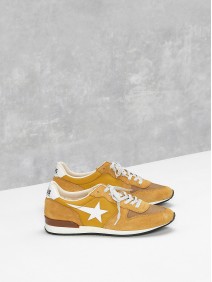
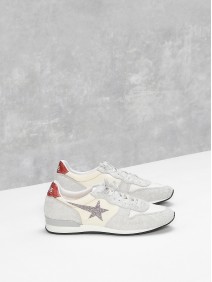
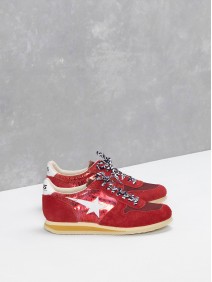
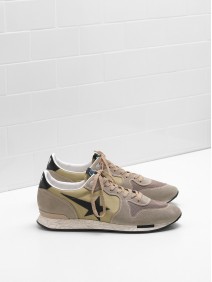
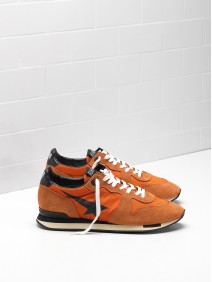
Running styles may also suit broader feet because their sporty construction often includes cushioning and a more forgiving upper. Technical fabric can stretch around the forefoot more readily than stiff leather, while a padded collar helps prevent the heel from moving excessively. Check the shape of each colourway, as decorative overlays may reduce flexibility in certain areas.
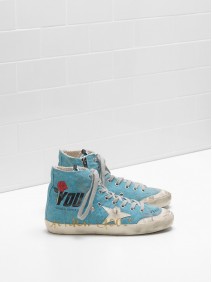
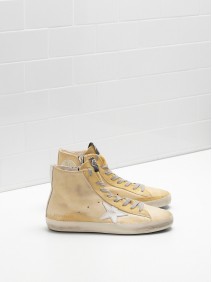
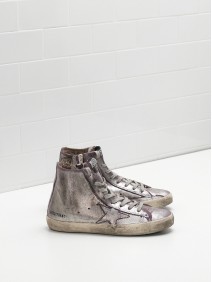
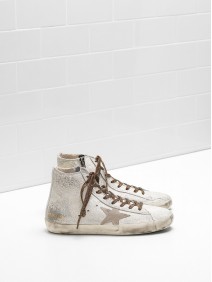
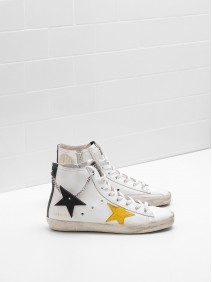
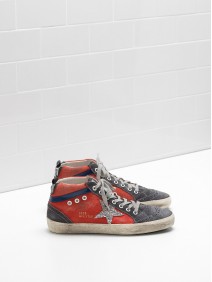
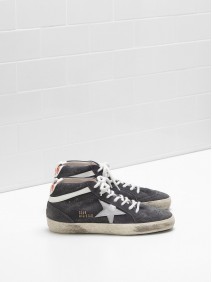
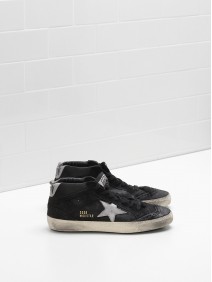
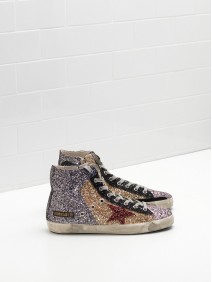
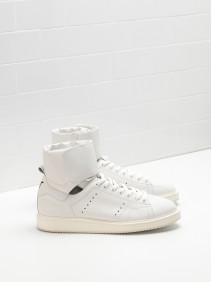
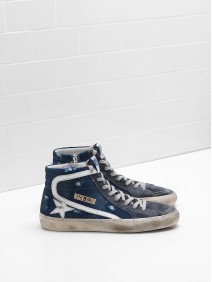
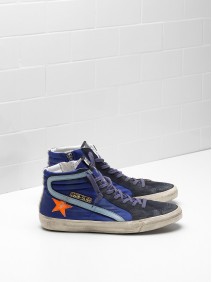
High-top options such as Francy and Mid Star provide ankle coverage, but their extra height does not automatically mean a wider fit. Their front panels, side zips, or layered construction can feel restrictive around a full forefoot. Before choosing between the Haus Halley and Starter, review this useful Haus Halley and Starter comparison and focus on fastening, upper structure, and interior space.
The table below offers a practical starting point for matching common Golden Goose designs with different width needs. It describes general tendencies rather than a guaranteed fit, because materials and individual colourways can change how a sneaker feels.
| Style | General Shape | Wide-Foot Considerations | Best Fit Approach |
|---|---|---|---|
| Superstar | Low-top, casual profile | Often manageable with adjustable laces and a rounded front | Use normal length first; assess forefoot pressure |
| Francy | High-top with layered panels | May feel firm around the ankle and front overlays | Choose soft uppers and avoid excess length |
| Mid Star | Mid-top, structured design | Ankle support is useful, but construction may feel snug | Check instep room and lace flexibility |
| Haus Halley | Fashion-led, elevated profile | Sole height does not necessarily provide extra width | Prioritise the upper shape over platform thickness |
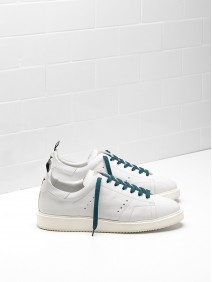
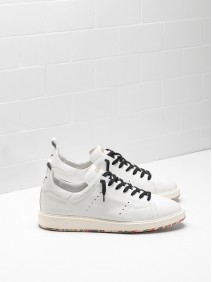
| Starter | Sport-inspired, streamlined shape | Can work well with flexible materials and a roomy front | Compare measurements with running-style models |
| Running | Athletic-inspired construction | Usually offers cushioning and a more adaptable upper | Consider for daily walking and longer wear |
| Slide | Open, easy-entry design | Gives the toes more freedom but needs secure foot placement | Check strap position and heel stability |
A wide foot often benefits from a style with fewer rigid overlays across the toe area. Decorative stars, metallic panels, thick stitching, and rubber reinforcements contribute to the signature look, yet they can create pressure points if they sit over the widest part of the foot.
A slightly raised sole may improve cushioning, but it should not be confused with extra internal width. The insole, upper, and toe shape determine how much usable space the foot receives. Always inspect product images from above and from the side when possible.
Leather can soften and mould to the foot over time, although heavily reinforced leather may take longer to relax. Suede often feels supple against the forefoot, but it should not be expected to stretch dramatically. Glitter and coated finishes may have less give, particularly when applied over a firm base material.
Technical fabric is often a strong option for a broader forefoot because it can flex as the foot moves. Mesh-like sections may reduce heat and pressure during walking, while padded tongues can make lacing more comfortable. Check whether the fabric is supported by rigid leather panels that could cancel out its flexibility.
Lace-up designs offer the most control. Loosen the lower eyelets to create space over the toes while keeping the upper eyelets secure around the ankle. A side zip can make entry easier, but it does not necessarily adjust the fit across the forefoot. Slip-on and Slide designs should feel secure without requiring the toes to grip the sole.
Sizing up is tempting when a sneaker feels tight, yet extra length can cause blisters, heel lift, and unstable steps. A well-fitting pair should leave a small amount of space in front of the longest toe while keeping the heel anchored. Your toes should be able to spread naturally without touching the upper during walking.
Try sneakers indoors on a clean surface, wearing the socks you normally choose. Walk, bend your knees, and move up and down stairs if possible. Notice whether the pressure comes from the toe cap, side panels, tongue, or laces. Temporary stiffness can improve, but sharp pressure or numbness is a sign that the shape is unsuitable.
An insole can sometimes improve comfort, but replacing the original footbed may reduce internal height and make a snug upper feel tighter. For high-volume feet, a thin, supportive insole is usually more practical than a thick cushioned one. If you use orthotics, check removable footbeds and interior depth before ordering.
A considered purchase balances appearance, foot shape, intended use, and construction. A pair worn for occasional outings can tolerate a firmer upper, while sneakers intended for commuting or city walking should provide flexibility, cushioning, and stable fastening.
When browsing an online Golden Goose outlet, review the material description carefully rather than relying only on the product photograph. Search for leather, suede, technical fabric, padded details, rubber soles, and adjustable laces. Compare several models in the same size to identify which silhouettes appear most accommodating.
Use these recommendations when narrowing down your options:
Golden Goose sneakers should feel distinctive in appearance and dependable underfoot. The right pair for wide feet will leave the toes relaxed, hold the heel securely, and allow the upper to flex without creating pressure across the ball of the foot. Browse the available Superstar, Running, Mid Star, Haus Halley, Starter, Francy, and Slide options, compare their construction and measurements, and order the style that gives your feet both room and support.