-
Your shopping cart is empty!

MENU
Your shopping cart is empty!
 New
-62%
 -63%
 -59%
 -63%
 -61%
 -61%
 -60%
 -62%
 -62%
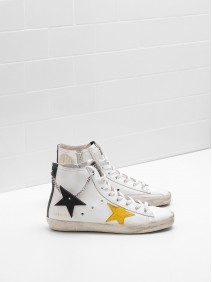 -60%
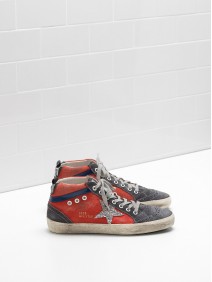 -63%
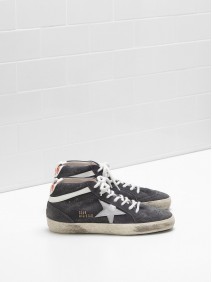 -59%
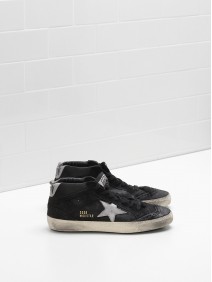 -59%
 -64%
 -59%
 -64%
 -64%
 -61%
 -64%
 -62%
 -61%
 -62%
 -64%
 -62%
 -62%
 -64%
 -62%
 -62%
 -62%
 -61%
 -61%
 -62%
 -59%
 -61%
 -62%
 -64%
 -61%
 -62%
 -62%
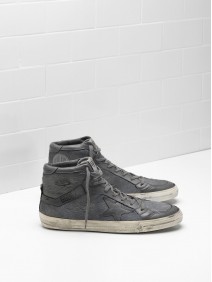 -61%
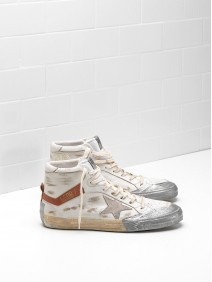 -59%
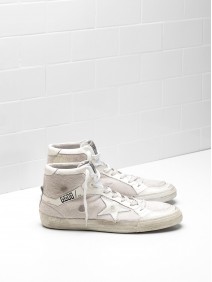 -64%
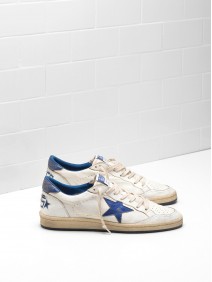 -62%
 -61%
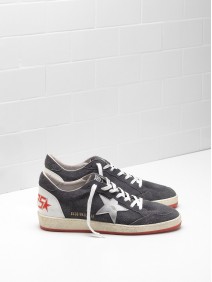
Suede Golden Goose sneakers bring a soft, textured finish to casual outfits, but that texture also makes them more sensitive to water, grease, and rough handling than smooth leather. A careful cleaning routine can remove surface dirt while preserving the nap, colour variation, and intentionally worn character found on styles such as Superstar, Francy, Mid Star, and Running sneakers.
The safest approach is gradual: brush away dry debris first, use as little moisture as possible, and allow the shoes to dry naturally. Avoid treating distressed marks as defects. Scuffs, faded panels, and subtle colour differences may be part of the design, particularly on fashion sneakers with vintage-inspired finishes.
Regular maintenance is easier than trying to restore heavily soiled suede. A few minutes after each wear can prevent grit from becoming embedded and help your shoes remain comfortable, presentable, and ready for everyday athleisure outfits.
Suede is made from the underside of leather, giving it a fine, raised surface known as the nap. That nap reflects light differently depending on its direction, so a panel can look darker, lighter, or patchy after rubbing. This is normal and does not always mean the material has been damaged.
Golden Goose designs can combine suede with smooth leather, glitter, technical fabric, rubber soles, and painted or distressed details. Each material reacts differently to cleaning products. A method that is suitable for a plain suede toe box may dull glitter, loosen adhesive, or mark a coloured leather panel.
Check the care information supplied with the shoes and identify every material before starting. If the footwear has a valuable embellishment, deep oil stain, or extensive water damage, a specialist sneaker or leather cleaner is safer than an aggressive home treatment.
You do not need a large collection of products. A suede brush with soft brass or nylon bristles, a suede eraser, a clean white cloth, a soft toothbrush, and a small amount of mild detergent are usually enough for routine care. Keep a separate cloth for the rubber midsole so dirt from the sole does not transfer back onto the upper.
White paper or unprinted tissue is useful for supporting the shape while the sneakers dry. Avoid coloured newspaper, as ink can transfer into pale materials. A shoe tree designed for sneakers can also help, provided it does not stretch the upper or press against decorative details.
Before applying any cleaner, remove the laces and brush off loose dust. Test the product on a concealed section, such as beneath the tongue or near the heel edge. Wait until the area is fully dry before judging the result, since damp suede often appears temporarily darker.
Begin by brushing the entire suede surface with short, gentle strokes. Work in the direction of the nap rather than scrubbing back and forth. For dried mud, allow it to harden completely, then lift it with the edge of a suede brush or a soft toothbrush. Wet mud is more likely to spread and push soil deeper into the fibres.
A suede eraser can reduce small scuffs and shiny patches. Rub lightly, using several brief passes instead of heavy pressure, and brush away the crumbs afterward. This process often restores the texture without adding water, which is especially useful for lightly worn Superstar or Mid Star panels.
If the suede still looks dull, dampen a white cloth very slightly and wipe the affected area evenly from seam to seam. Do not create isolated wet spots. A uniform, minimal application helps prevent tide marks and keeps the colour transition natural.
For the rubber sole, use a separate damp cloth with a tiny amount of mild soap. Keep the solution away from the suede upper, painted stars, and metallic or glitter sections. Wipe away residue with a clean cloth and leave the shoe upright to air-dry.
Different stains need different levels of intervention. The most common mistake is using one powerful cleaner on every problem. The guide below compares practical options for household cleaning while keeping the risk to the suede as low as possible.
| Mark or problem | First treatment | What to avoid |
|---|---|---|
| Loose dust or dry grit | Soft suede brush | Hard scrubbing |
| Dried mud | Let it dry, then brush and erase | Adding water immediately |
| Small scuff | Suede eraser followed by brushing | Sandpaper or abrasive pads |
| Fresh water spot | Blot gently and dry evenly | Hairdryer heat or rubbing |
| Grease or oil | Blot with clean absorbent powder, then brush | Liquid soap rubbed into the stain |
| Salt or winter residue | Lightly dab with diluted white vinegar, then air-dry | Soaking the panel |
| Persistent dark stain | Professional suede cleaning | Repeated home treatments |
For grease, press a clean paper towel onto the mark without rubbing. A small amount of cornstarch or talcum powder may absorb surface oil if left for several hours, after which it can be brushed away. This may not remove an old stain completely, but it can reduce its visibility without spreading it.
Water marks need patience. Blot excess moisture with a dry cloth, then let the shoe dry naturally at room temperature. If a visible ring remains, lightly dampen the whole suede panel with a clean cloth so it dries evenly. This should be done sparingly and only after a hidden-area test.
Salt lines from wet pavements can often be treated with a solution of one part white vinegar to one part water. Apply a very small amount to a cloth rather than pouring it onto the sneaker. Dab the affected area, avoid saturating the leather, and brush the nap once dry. The vinegar smell will fade with ventilation.
For an ink, dye, or deep oil stain, repeated attempts can cause more harm than the original mark. Strong alcohol, bleach, nail-polish remover, household detergents, and leather conditioning oils may permanently change the colour or flatten the nap. Never use a washing machine, tumble dryer, radiator, or direct sunlight to speed up the process.
If the stain covers several panels or the shoe has delicate glitter, metallic trim, or a two-tone finish, use a professional cleaner familiar with luxury sneakers. This is particularly sensible when the shoes are limited, difficult to replace, or being prepared for resale.
After cleaning, let each sneaker dry for at least 24 hours in a cool, ventilated room. Keep the tongue open and remove the insole if it can be taken out safely. Do not wear the pair again until the upper feels completely dry, because friction against damp suede can create shiny patches.
Once dry, brush the surface lightly to realign the nap. A suede protector spray can help repel light moisture and dirt, but it must be compatible with the shoe’s colour and other materials. Spray outdoors or in a well-ventilated area, hold the can at the recommended distance, and apply a thin, even coat rather than soaking the upper.
A practical care routine includes these steps:
For styling ideas that pair well with casual suede footwear, browse these athleisure sneaker looks. Coordinating your shoes with relaxed denim, joggers, or tailored sportswear also makes it easier to reserve delicate pairs for suitable weather and cleaner settings.
Before putting suede sneakers away, make sure they are free from moisture and loose grit. Stuff them lightly with plain paper or use a supportive shoe tree to preserve the shape. Keep pairs separated so dark rubber soles, denim dye, or embellished panels do not rub against the suede.
Rain and wet grass are especially risky for unprotected suede. If you expect poor weather, choose a pair made with more water-tolerant materials or wear a suitable protective overshoe. When a splash does happen, blot quickly and let the sneaker dry without heat rather than trying to eliminate every mark immediately.
Good maintenance does not mean keeping every panel perfectly uniform. The worn-in finish is part of the appeal of Golden Goose footwear. The aim is to remove harmful dirt, preserve the nap, and prevent avoidable damage while allowing the original character of the design to remain visible.
Give your suede sneakers a gentle dry brush after their next wear, inspect the upper in natural light, and address small marks before they become set-in stains. With the right tools and a restrained cleaning method, your favourite pair can stay distinctive, comfortable, and ready for many more outings.