-
Your shopping cart is empty!

MENU
Your shopping cart is empty!
 New
-62%
 -63%
 -59%
 -63%
 -61%
 -61%
 -60%
 -62%
 -62%
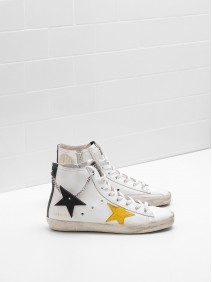 -60%
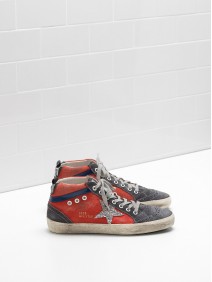 -63%
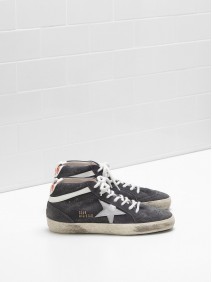 -59%
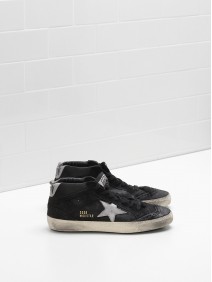 -59%
 -64%
 -59%
 -64%
 -64%
 -61%
 -64%
 -62%
 -61%
 -62%
 -64%
 -62%
 -62%
 -64%
 -62%
 -62%
 -62%
 -61%
 -61%
 -62%
 -59%
 -61%
 -62%
 -64%
 -61%
 -62%
 -62%
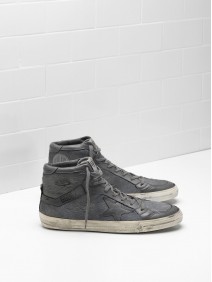 -61%
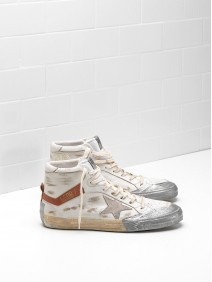 -59%
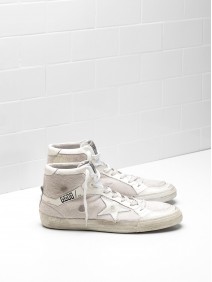 -64%
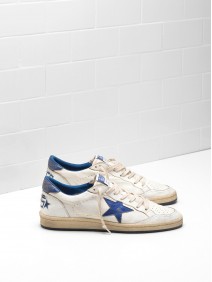 -62%
 -61%
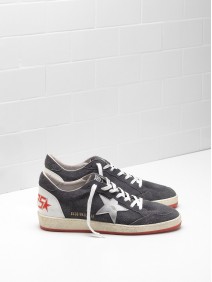
Golden Goose sneakers are designed for everyday wear, yet their deliberately worn-in appearance should not be confused with neglect. The rubber outsole, heel edge and bonding materials still need thoughtful care, especially when sneakers move between city pavements, public transport and changing weather.
For Australian owners, simple habits make a noticeable difference. Hot footpaths in Perth, humid conditions in Brisbane, wet winter streets in Melbourne and salty air around Sydney can all affect footwear. Regular cleaning, sensible rotation and timely repairs help preserve comfort, traction and the character of leather, suede, glitter or technical-fabric styles.
| Sole concern | Best response | Useful routine |
|---|---|---|
| Surface dirt and grit | Brush away loose particles before wiping | After heavily soiled outings |
| Wet rubber and damp seams | Air-dry naturally away from heaters and direct sun | Every time shoes get wet |
| Worn heel edges | Use a cobbler for a rubber heel repair | As soon as uneven wear appears |
| Slippery smooth tread | Add a thin protective sole or traction treatment | Before intensive daily use |
| Odour and moisture | Air shoes out and rotate pairs | Allow 24 hours between wears |
| Heat and stored pressure | Keep sneakers in a cool, ventilated place | During longer storage |
Dirt trapped in the outsole grooves acts like fine sandpaper. After wearing your sneakers, tap the soles together outdoors and use a soft-bristled brush to remove grit from the tread. A clean, dry toothbrush is useful for the narrow channels around the forefoot and heel. Avoid aggressive scraping with metal tools, which can cut rubber or mark the sidewall.
For ordinary marks, use a slightly damp cloth with lukewarm water and a small amount of mild soap. Work around the rubber perimeter rather than soaking the whole shoe. Leather uppers can usually be wiped carefully, while suede requires a dedicated suede brush and very little moisture. Glitter panels and printed details should be treated gently, since friction can loosen surface decoration.
Never put premium sneakers in a washing machine or tumble dryer. Excess water can affect adhesives, deform the insole and leave moisture inside the sole construction. Stuff the shoes with plain paper, replace it when damp, and let them dry at room temperature. In hot Australian weather, keep them out of a closed car, where intense heat can soften glue and accelerate material fatigue.
A thin rubber sole protector can reduce abrasion across the forefoot and heel without changing the appearance significantly. A reputable Australian shoe repairer can trim and bond one to the existing outsole, keeping the original rubber protected from rough concrete. This is particularly helpful if your sneakers are worn daily on Sydney pavements or across large shopping precincts.
Sole protectors should be fitted while the original tread is still in good condition. If the outsole is already deeply worn, a cobbler may need to level the area first. Ask for a flexible, low-profile material that bends naturally with the shoe. A rigid layer can reduce comfort and may place extra stress on the edge of the sneaker.
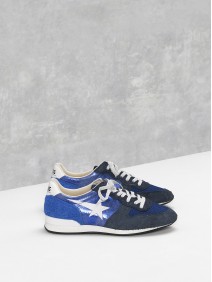
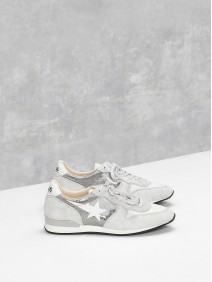
For owners comparing styles, the V Star 2 collection can help show how different low-profile designs use contrasting uppers and rubber soles. Whatever the model, the maintenance principle remains the same: protect high-contact areas before the tread becomes thin or uneven.
Wearing the same pair every day gives moisture, compression and friction no time to settle. Rotating between two or three pairs allows the footbed and lining to dry fully. This is useful after a humid day in Brisbane, a damp Melbourne commute or a long walk beside the coast, where moisture and salt can linger around the sole edge.
After exposure to rain, wipe away surface water and let the sneakers dry slowly. Do not place them against a radiator, near a heater or directly under strong afternoon sun. Fast drying can harden leather, distort rubber and weaken the adhesive layer. If the shoes become saturated, remove the laces and insoles so air can reach the interior.
Sweat can also affect the footbed and create an unpleasant smell. Wear breathable socks, air the sneakers in an open room and avoid sealing them immediately in plastic. A fabric shoe bag or ventilated storage box is preferable. For seasonal storage, clean the soles first and check that no dampness remains in the heel cavity or under the insole.
The best storage location is cool, dry and away from direct sunlight. A wardrobe shelf is generally safer than a balcony cupboard or garage, where temperature swings can be severe. In coastal areas, allow airflow around the shoes rather than pressing them tightly against a damp wall. Silica gel packets can help control ambient moisture, but they should never replace proper drying.
Use the original shape of the sneaker as a guide when storing it. Light paper stuffing helps prevent the upper from collapsing and reduces creasing over the toe box. Do not overfill the shoe, since pressure can distort the collar and place stress on the sole bond. Keep heavier items off the pair, especially when storing glitter or suede models.
If packaging matters to you, this guide to sneaker packaging details explains what to expect when a pair arrives. Retaining a box can be useful for longer storage, but keep it in a dry room and avoid placing the sneakers away while they are still warm or damp after wear.
Inspect the soles every few weeks, especially if the sneakers are used for commuting or long urban walks. Look for a heel wearing down on one side, a smooth patch under the ball of the foot, separation along the rubber edge or small cracks near flex points. Uneven wear can alter your stride and make the opposite shoe deteriorate faster.
A qualified shoe repairer can replace a worn heel lift, reinforce a loose edge or apply a new protective layer. Early intervention is usually less disruptive than waiting until the outsole has worn into the midsole. If the upper is still in excellent condition, a professional repair can extend the useful life of the entire sneaker and preserve its fit.
Avoid household superglue. It dries rigid, can stain leather and may stop the sole from flexing naturally. Ask the repairer about flexible footwear adhesive and whether the existing bond can be cleaned before treatment. In Australia, a local cobbler familiar with luxury sneakers is often better placed than a general alteration service, particularly for mixed materials and distressed finishes.
Thoughtful care also makes online purchasing more practical. If you are browsing discounted pairs through a UK-oriented store, review the material description, sole construction and delivery information before ordering; the online sneaker store offers a place to compare available styles. Allow for Australian conditions when choosing a pair: a lighter canvas or technical-fabric design may need different protection from a leather model, while suede benefits from extra caution in wet weather.
Make sole care part of your normal footwear routine: brush away grit, dry naturally, rotate pairs, store them well and book a repair at the first sign of uneven wear. With these habits, Golden Goose sneakers can remain comfortable and wearable across Australian streets, changing seasons and many more kilometres.