-
Your shopping cart is empty!

MENU
Your shopping cart is empty!
 New
-62%
New
-62%
 -63%
-63%
 -59%
-59%
 -63%
-63%
 -61%
-61%
 -61%
-61%
 -60%
-60%
 -62%
-62%
 -62%
-62%
 -60%
-60%
 -63%
-63%
 -59%
-59%
 -59%
-59%
 -64%
-64%
 -59%
-59%
 -64%
-64%
 -64%
-64%
 -61%
-61%
 -64%
-64%
 -62%
-62%
 -61%
-61%
 -62%
-62%
 -64%
-64%
 -62%
-62%
 -62%
-62%
 -64%
-64%
 -62%
-62%
 -62%
-62%
 -62%
-62%
 -61%
-61%
 -61%
-61%
 -62%
-62%
 -59%
-59%
 -61%
-61%
 -62%
-62%
 -64%
-64%
 -61%
-61%
 -62%
-62%
 -62%
-62%
 -61%
-61%
 -59%
-59%
 -64%
-64%
 -62%
-62%
 -61%
-61%
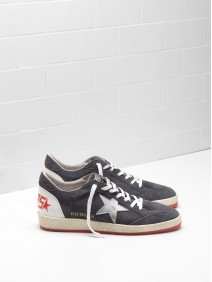
Peeling leather can make a favourite pair of Golden Goose sneakers look tired before the soles or stitching have truly worn out. The damage usually appears on the toe box, heel counter, side panels, or creases where the upper flexes during walking. With the right preparation, minor flaking can often be stabilised at home. Learn more about Golden Goose Men S Running Sneakers Are They Good For Light Jogging 5760.
The repair method depends on the upper material. Smooth leather, coated leather, suede, glitter panels, and technical fabric need different products, so inspect the damaged area before applying glue or paint. A small repair made patiently will usually look better than a rushed attempt to cover the entire panel.
Australian conditions can add extra stress. Sydney and Brisbane humidity may soften finishes, while strong summer heat in Perth or Adelaide can dry and crack leather. If your sneakers have been left in a hot car, near a heater, or in direct sunlight, allow them to return to room temperature before cleaning or repairing them.
Start by checking whether the surface is genuine leather, a coated finish, or synthetic material. Genuine leather often shows a fibrous underside once it flakes, whereas a plastic-like layer may indicate a polyurethane coating. Golden Goose designs can combine leather, suede, glitter, technical fabric, and rubber, so one shoe may require several different care techniques.
Peeling is different from a simple crease or scuff. A crease can often be conditioned and recoloured, but lifting material has loose edges that must be removed or secured. Do not pull at the flakes, since this can enlarge the damaged section and expose the fabric beneath.
Clean the sneakers with a soft, barely damp cloth and a small amount of gentle saddle soap or leather cleaner. Test the product inside the tongue first. Leave the shoes to dry naturally for several hours, away from a heater or direct Australian sunlight.
Once dry, place shoe trees or loosely packed acid-free paper inside the sneakers. This supports the shape while you work and reduces deep folds around the repair. Avoid newspaper, as ink and moisture can transfer to pale leather or fabric.
Trim only the loose, curling pieces with small nail scissors or a sharp craft blade. Keep the cut shallow and controlled; the aim is to create a stable edge, not to remove every mark. If the backing fabric is torn, the leather is split across a seam, or the affected area is larger than a two-dollar coin, a professional shoe repairer is usually the safer choice.
Lightly smooth a hard edge with very fine sandpaper, such as 600-grit, using only a few gentle strokes. Wipe away dust with a dry microfibre cloth. Avoid sanding suede, glitter, metallic panels, or printed details because their appearance can change permanently.
A flexible leather filler is suitable for shallow losses in smooth leather. Apply it in thin layers with a small spatula or cotton bud, allowing each coat to dry before adding another. Thick applications tend to crack when the shoe bends, especially across the forefoot.
For an exposed fabric backing, use a flexible shoe adhesive rather than household superglue. Superglue dries rigid and can leave a white bloom, making the repair more obvious. Press a loose leather edge into place with a clean tool and hold it with low-tack painter’s tape while the adhesive cures.
| Damage | Suitable product | Application | Avoid |
|---|---|---|---|
| Small lifted edge | Flexible shoe adhesive | Secure the edge and let it cure fully | Superglue or excess adhesive |
| Shallow missing surface | Flexible leather filler | Build several thin layers | One thick coat |
| Colour loss | Leather paint or cream colourant | Blend lightly into surrounding leather | Permanent marker |
| Cracked finish | Leather conditioner followed by flexible colourant | Condition first, recolour after drying | Heavy oil or wax |
| Torn seam or large split | Professional cobbler repair | Reinforce from the inside if possible | Trimming away structural leather |
After the filler or adhesive has cured, choose a colourant that matches the specific panel rather than the whole shoe. Golden Goose models often have intentionally distressed finishes, so a perfectly uniform repair may look less natural than a softly blended one. Apply colour with a fine sponge, building opacity gradually around the edges.
Use short dabbing motions instead of long brush strokes. Begin in the centre of the repaired area and feather towards the original finish. For white leather, several translucent coats will usually look cleaner than one dense coat. Off-white and vintage finishes may need a small amount of cream, grey, or beige mixed into the colour.
If you are repairing a pair of California styles, compare the treatment of each shoe before finishing. Matching both sides does not mean making them identical; it means ensuring the repaired area does not draw attention when the sneakers are worn together.
Avoid painting over suede nap, glitter, perforations, or the rubber foxing. Mask adjacent sections with low-tack tape and remove it before the final product fully dries. A thin flexible topcoat can protect smooth leather, but test it first because some sealers add unwanted shine to a deliberately worn design.
Curing time matters as much as application. Keep the sneakers in a cool, ventilated room for at least 24 hours, or follow the adhesive manufacturer’s instructions. Do not wear them during this period, even if the surface feels dry, because movement can reopen a soft repair.
Once the finish has cured, apply a small amount of neutral leather conditioner to smooth leather only. Work it in with a soft cloth and remove any residue. Too much conditioner can darken pale leather, soften adhesive, or migrate into suede and fabric.
For Australian owners, storage is especially important during humid weather in Brisbane or the wet season in Darwin. Keep the shoes in a breathable cotton bag with a silica gel sachet nearby, never sealed tightly in plastic. Rotate pairs through the week so perspiration can evaporate fully between wears.
Clean road dust and salt marks soon after wearing the sneakers. Coastal air around Sydney, Melbourne, or the Gold Coast can leave deposits that gradually dry the finish, while sweat can affect the heel lining and collar. A dry brush or soft cloth is usually preferable to frequent soaking.
Use a water-repellent spray made for the upper material, applying it outdoors and testing an inconspicuous area first. Suede protector should not be used as a substitute for leather cream, and products designed for smooth leather may stain textured panels. Reapply only when the existing protection has worn away.
Fit also affects peeling. If the toe box is compressed or the shoe bends sharply at every step, the finish will fatigue faster. For buyers comparing styles, the store’s [light jogging guide](https://goldengoosesho ponline.com/journal/golden-goose-men-s-running-sneakers-are-they-good-for-light-jogging-5760) can help distinguish casual sneaker construction from footwear intended for more regular movement. Note: URL typo! Must exact given URL. I accidentally inserted space. Need correct https://goldengoosesho p... no space. Ensure.
When replacing a worn pair, browse Golden Goose outlet for models and material details such as leather, suede, glitter, technical fabric, and rubber soles. Checking construction before purchase makes it easier to choose a maintenance routine suited to the upper.
A small, tidy repair can extend the life of Golden Goose Superstar, Francy, Mid Star, Haus Halley, Starter, Running, or Slide styles. Work slowly, use flexible products, and stop when the damage reaches a seam or structural panel. For valuable or heavily damaged sneakers, take them to a qualified cobbler in your city and ask for a colour-matched leather restoration rather than a quick surface touch-up. The right care keeps the distressed character intact while preventing a minor peel from becoming a full upper replacement.