-
Your shopping cart is empty!

MENU
Your shopping cart is empty!
 New
-62%
New
-62%
 -63%
-63%
 -59%
-59%
 -63%
-63%
 -61%
-61%
 -61%
-61%
 -60%
-60%
 -62%
-62%
 -62%
-62%
 -60%
-60%
 -63%
-63%
 -59%
-59%
 -59%
-59%
 -64%
-64%
 -59%
-59%
 -64%
-64%
 -64%
-64%
 -61%
-61%
 -64%
-64%
 -62%
-62%
 -61%
-61%
 -62%
-62%
 -64%
-64%
 -62%
-62%
 -62%
-62%
 -64%
-64%
 -62%
-62%
 -62%
-62%
 -62%
-62%
 -61%
-61%
 -61%
-61%
 -62%
-62%
 -59%
-59%
 -61%
-61%
 -62%
-62%
 -64%
-64%
 -61%
-61%
 -62%
-62%
 -62%
-62%
 -61%
-61%
 -59%
-59%
 -64%
-64%
 -62%
-62%
 -61%
-61%
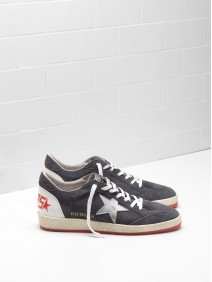
White Golden Goose sneakers carry a kind of lived-in luxury that pairs naturally with everything from weekend brunches to late-night laneway drinks. The trouble begins the moment that bright outsole or pristine star panel starts picking up a warm cream tint. In a sun-soaked country like Australia, where UV rays are intense enough to bleach a ute's dashboard and moisture sits in the air all summer, yellowing can creep in faster than most owners expect. The good news is that a few small habits, sensible products, and honest storage choices can hold that just-out-of-the-box glow for years instead of months.
Out-of-the-box sneaker culture often pushes the idea that scuffs tell a story, but yellowing tells a chemistry story. Sweat, sunscreen residue, polymer breakdown from heat, and trapped moisture all leave a mark. Australian buyers who wear their Superstars through long arvos at the markets or take them on weekend trips to Byron Bay and Noosa are especially familiar with how quickly a fresh white pair can shift if left uncared for. Understanding the cause is the first step toward a real, lasting defence.
Many shoppers browsing outlet prices online want sneakers they can actually wear without babying them. The buyer who pulls a fresh pair from a Golden Goose Superstar selection quickly realises that the brand's signature distressed look only stays stylish while the base colour remains a clean optic white. Once yellowing sets in, no amount of casual wear or styling will hide it. A maintenance habit, almost as relaxed as the shoes themselves, is what separates a long-term favourite from a drawer-bound regret.
Sunlight is the biggest culprit, and Australian sun is unusually strong. UV ratings above eleven are common in Sydney through summer, and those rays break down the optical brighteners added to rubber soles and midsoles during manufacturing. As those brighteners fade, the underlying warm tones come back to the surface, producing the classic yellow cast that owners dread.
Sweat and salt are a close second. Even a short walk to the café or a round of groceries leaves a fine mineral deposit on the lining and around the collar. Over time, those salts oxidise, and the lining starts to discolour at the edges. Queenslanders who step out in humid air know how quickly that damp can settle into padding. A damp sneaker left in a warm closet for a single afternoon is already halfway to a permanent shade shift.
Finally, household chemicals accelerate the problem. Some sneaker owners try all-purpose wipes or bleach-heavy products at the first sign of a mark, and the reaction between those formulas and the adhesives in the sole can trigger a permanent amber shade. Spotting the cause makes the rest easier. The trick is picking gentler tools from the very beginning.
Small habits are easier to keep than complicated rituals. Rotating two pairs of sneakers is the simplest protection, since wearing the same pair every single day gives sweat and warmth no time to escape. In Melbourne, where laneway culture rewards a different outfit each morning, rotation is already built into the routine without anyone needing to think about it.
After a day's wear, give the pair a quick once-over with a soft, damp microfibre cloth. Focus on the tongue, the laces, and the area around the heel collar where sweat tends to gather. Letting that moisture dry away from direct sun is essential, so placing them in a shaded hallway or near a bathroom vent is a better choice than tucking them under a bedroom window that catches afternoon glare.
Avoid tossing them into a dark gym bag while still damp. Trapped moisture in a closed space is a fast route to both yellowing and musty odours. Sneaker owners in Perth sometimes leave theirs on a shaded veranda during the cooler evening hours before packing them away, a small ritual that fits naturally with relaxed Australian home life.
Storage is where most collections either thrive or quietly deteriorate. White sneakers last longest when kept in a cool, dark, dry spot. Under-bed boxes, wardrobe shelves, or a dedicated sneaker shelf away from windows all work well. Direct window light, even filtered through sheer curtains, will steadily yellow rubber over a single Sydney summer. Many owners are surprised at how fast a south-facing window can mark a sole that looks fine on day one.
Breathable dust bags are useful, but cotton-only is best. Plastic tubs trap humidity, and humidity in coastal cities like Gold Coast or Hobart's winter months creates the perfect environment for both yellowing and mildew. A simple cloth bag plus a silica gel sachet provides enough airflow to keep the interior dry without losing protection from dust and accidental scuffs.
For sneaker fans who display their pairs on open shelving, placing them away from west-facing windows during afternoon heat is a small change with a long payoff. The arvo sun pouring through glass can hit temperatures that genuinely cook rubber over the course of a few weeks. Intense, prolonged heat breaks down adhesives and softens glues in ways that no cleaning product can undo.
A gentle weekly clean is far better than occasional deep scrubs. Lukewarm water, a mild sneaker cleaner, and a soft-bristle brush will lift everyday grime before it sets. Work the suede or leather panels lightly and rinse the brush often, then pat the pair dry with a clean cloth. Harsh scrubbing at this stage rarely helps and almost always leaves the surface fuzzy or worn.
For the rubber sole, a paste of baking soda and a drop of dish soap brings white rubber back without the harsh reactions that bleach causes. Apply with an old toothbrush, let it sit for a few minutes, then wipe clean. Harsh whitening gels and oven cleaners are best left in the cupboard entirely. They may show fast results online but often leave a yellow after-effect that is harder to fix than the original stain.
If you want a full rundown of safe techniques, sneaker owners often cross-reference shared guides such as a community resource on sneaker care when comparing methods. A patient, gentle approach is the one the pair will thank you for in the long run.
White sneakers love dry climate and hate packed holidays. Travellers heading to tropical Cairns or Bali often pack them in checked luggage where heat and pressure can warp the shape. A structured travel bag helps, but wearing them on the plane and giving them a rest day at the destination is even better. New pairs ready for that first trip benefit from a quick look at a unboxing experience guide so boxes, dust bags, and spare laces travel alongside them the right way.
Locals who spend weekends at coastal spots like Bondi or Bells Beach should rinse off sand and saltwater the moment they get home. Salt crystals lodged in the stitching act like tiny magnifying glasses under bright sun and can scorch fabric over time. A quick rinse, a pat dry, and air-drying in the shade handle most of it without any special product.
For those hosting backyard barbecues or cricket gatherings, a designated indoor slipper near the door keeps grass stains, spilt drinks, and BBQ fat away from the prized white pair. Australians often joke about shoes getting trashed at the arvo barbie, but it really is the most common source of sudden yellow spots in suburban homes where the entrance leads straight onto a beer-stained deck.
Even the best-kept pair will eventually show signs of wear. When the leather upper still feels soft, the stitching holds firm, and the only issue is colour, a professional restoration service can buy another season of wear. When soles feel spongy, glue is failing, or the toe box has collapsed, fresh footwear is usually the wiser spend. Pushing a worn pair past its limits rarely helps the look of a rotation.
Buyers browsing online outlet selections often pick up new models precisely because the older pair has yellowed past the point of easy rescue. Looking at the 6 California range alongside classic Superstars gives shoppers a chance to start fresh while their old favourites rest in a cool, dark cupboard, ready for occasional rotation.
| Method | Frequency | Best for | Risks |
|---|---|---|---|
| Microfibre wipe-down | After each wear | Surface dust, light sweat marks | None if air-dried in shade |
| Mild sneaker cleaner brush | Weekly | Everyday grime on leather or fabric | Over-wetting if brush is too saturated |
| Baking soda paste | Bi-weekly | Yellowing rubber soles | Leaving paste on too long can dry rubber |
| Bleach-based whitening | Monthly or less | Stubborn deep stains | Permanent yellowing, fabric damage |
| Professional restoration | Yearly or as needed | Overall colour refresh | Cost, not always available locally |
Keeping white Golden Goose sneakers bright in Australia is less about strict rules and more about relaxed daily attention. A few minutes each week, a cool spot to live, and a soft touch with cleaning products will keep them ready for whatever the weekend brings, from sunrise beach walks to late-night city dinners and everything in between.