-
Your shopping cart is empty!

MENU
Your shopping cart is empty!
 New
-62%
 -63%
 -59%
 -63%
 -61%
 -61%
 -60%
 -62%
 -62%
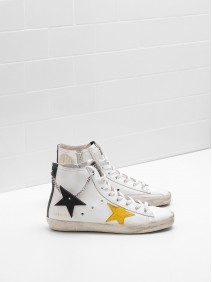 -60%
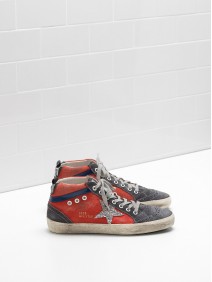 -63%
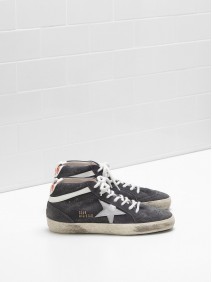 -59%
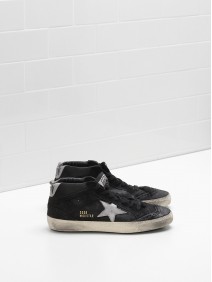 -59%
 -64%
 -59%
 -64%
 -64%
 -61%
 -64%
 -62%
 -61%
 -62%
 -64%
 -62%
 -62%
 -64%
 -62%
 -62%
 -62%
 -61%
 -61%
 -62%
 -59%
 -61%
 -62%
 -64%
 -61%
 -62%
 -62%
 -61%
 -59%
 -64%
 -62%
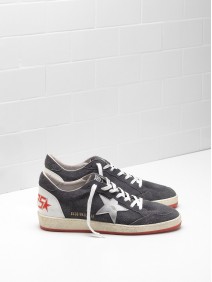 -61%
Golden Goose sneakers are known for their intentionally worn-in appearance, but the right lacing pattern can make them feel far more personal. A small adjustment can change the pressure across the instep, create extra room at the toes, or hold the heel securely during a busy day.
Whether you wear Superstar, Francy, Mid Star, Haus Halley, Starter, Running, or Slide styles, laces affect both comfort and appearance. Leather uppers, suede panels, glitter details, technical fabric, and rubber soles each respond slightly differently to tension, so a customized fit begins with understanding the shape of the shoe.
The best approach is to lace your sneakers according to your foot rather than copying a pattern simply because it looks fashionable. A relaxed crisscross arrangement may suit casual wear, while a runner’s loop or alternative skipping pattern can provide better stability for longer walks.
Before changing the laces, try the sneakers on with the socks you normally wear. Thin dress socks create a different fit from cushioned athletic socks, and the difference can be especially noticeable in low-top Superstar or Starter silhouettes. Stand upright and walk several steps so your foot settles naturally inside the shoe.
Pay attention to pressure points. Tightness across the top of the foot usually means the center eyelets need less tension or should be skipped. Heel movement suggests that the upper section needs stronger support. If your toes feel cramped, loosen the lower eyelets first instead of pulling the entire lace system tight.
The material also matters. Smooth leather often softens with wear, while suede may relax more gradually. Technical fabric can flex easily, but it may need balanced tension to prevent creasing. Glitter or decorative panels should not be pulled aggressively, since excessive force may distort the finish or place stress on nearby stitching.
The classic crisscross method is a reliable starting point for most Golden Goose models. Feed the lace through the bottom eyelets from the outside inward, leaving equal lengths on both sides. Cross each end over the tongue and pass it through the next eyelet on the opposite side.
Continue upward while keeping the tension even. The lower section should feel secure without pressing the forefoot, and the upper section should hold the ankle without cutting into it. This arrangement distributes pressure across the shoe and works well with casual jeans, tailored trousers, or everyday streetwear.
For a looser appearance, leave the bottom two crossings slightly relaxed and tighten only around the middle of the foot. This styling works particularly well with distressed Superstar or Slide-inspired looks. Avoid allowing the laces to become so loose that the heel lifts with every step, as repeated movement can create blisters and wear down the heel counter.
A flat knot tucked beneath the tongue gives a cleaner finish, while a visible bow adds a traditional sneaker detail. If the laces are long, a loose double knot prevents them from dragging without making the upper look overly tight.
Several lacing techniques can solve common comfort problems without changing your size. A gap-lacing pattern, which skips selected eyelets over a sensitive area, reduces pressure across a high instep. Simply lace normally below the problem area, leave one pair of eyelets empty, and resume the crisscross pattern above it.
A straight-bar pattern creates a neat, streamlined appearance and can feel less restrictive than dense crossing. Run the lace horizontally across the shoe, then feed the ends vertically inside the eyelets before bringing them back through the next open set. This method is attractive on minimal Starter or clean leather styles.
For active days, the runner’s loop is useful when the heel needs extra control. Lace normally until the second-to-last eyelet, then create a small loop on each side rather than crossing immediately. Cross the lace ends through those loops, pull gently, and tie the shoe. The loop anchors the heel while allowing the forefoot to remain comfortable.
| Fit preference | Recommended pattern | Main benefit | Styles to consider |
|---|---|---|---|
| Everyday balanced fit | Standard crisscross | Even pressure throughout the upper | Superstar, Francy |
| High instep comfort | Gap lacing | Relieves pressure over the foot | Mid Star, Haus Halley |
| Cleaner visual finish | Straight bar | Sleek, less crowded appearance | Starter, Slide |
| Secure heel hold | Runner’s loop | Reduces heel movement | Running, Francy |
| Relaxed streetwear fit | Loose crisscross | Casual shape and easy entry | Superstar, Mid Star |
Lacing should reflect how the sneakers are used. If you spend much of the day standing or walking on hard pavements, secure the midfoot and heel while leaving a little flexibility around the toes. This helps the foot move naturally and reduces pressure on the forefoot.
If your feet swell during the day, lace the sneakers in the morning with moderate tension rather than tightening them as much as possible. A slightly flexible middle section gives the foot room to expand. The final two eyelets can still be firm enough to keep the shoe stable.
For short outings, a looser fit may feel comfortable, especially in already softened leather. For commuting, travel, or extended city walking, use a more structured arrangement. Golden Goose footwear may have a deliberately vintage finish, but it should still support your stride and keep your foot from sliding forward.
Check the fit again after several wears. Leather and suede can soften, and laces may settle into the eyelets. If the shoes begin to feel loose, adjust the upper crossings before adding thick socks or tying the laces more tightly across the entire foot.
Lacing can emphasize the character of each silhouette. On Superstar sneakers, a relaxed crisscross arrangement complements the low-profile shape and keeps attention on the signature side details. Francy high-tops benefit from secure ankle lacing, especially when worn with cropped trousers or skirts.
Mid Star and Haus Halley styles often have more visual volume around the ankle. A runner’s loop or firm upper section can prevent excess movement while preserving a slightly undone aesthetic. Keep the lower laces comfortable so the taller collar does not make the whole shoe feel restrictive.
Running models usually call for practical support, particularly when used for long urban walks. Technical fabric may respond well to a balanced, moderately snug pattern. Slide styles and other low-profile options can be styled with a looser finish, but the lace knot should remain secure enough to stop the foot from shifting.
The laces themselves can also change the effect. Original flat laces preserve the intended look, while replacement laces in a contrasting shade create a stronger statement. Before buying a different pair, check the length, width, and number of eyelets so the new laces do not overwhelm glitter, suede, or metallic detailing.
Pull the lace through each eyelet in a controlled motion instead of jerking it sharply. This is especially important around decorative hardware and fragile-looking panels. If a lace catches, loosen the neighboring section first, then guide it through without twisting.
Clean laces separately when possible. Remove them from the sneakers, brush away dry dirt, and wash them according to their material. Clean laces make a distressed sneaker look intentional rather than neglected, while replacing heavily frayed laces can restore the balance of the entire design.
When storing the sneakers, loosen the top two or three eyelets. This reduces strain on the tongue and makes the next wear more comfortable. Use shoe trees or lightly stuffed paper to help maintain the shape, particularly for leather and suede uppers that can crease when compressed.
A careful fit also protects your purchase over time. If you are comparing models or looking for outlet pricing before choosing a pair, explore seasonal Golden Goose deals alongside details such as upper material, sole construction, and available size options.
The ideal lacing pattern should feel almost invisible while you walk. You should be able to flex your toes, move your ankle naturally, and keep your heel from lifting excessively. A customized fit comes from small changes in tension rather than forcing the shoe to behave like a different design.
Use these practical checks when adjusting your pair:
Once the pattern feels right, tie the laces in a way that suits your wardrobe. A tucked knot creates a minimalist finish, while a loose visible bow supports the relaxed character associated with distressed sneakers. The right arrangement lets the details of the leather, suede, glitter, technical fabric, and rubber sole remain the focus.
Take a few minutes before your next outing to adjust the eyelets, test your stride, and settle on the pattern that feels most natural. Then wear your Golden Goose sneakers with a fit that reflects both their distinctive design and the way you move through the day.