-
Your shopping cart is empty!

MENU
Your shopping cart is empty!
 New
-62%
 -63%
 -59%
 -63%
 -61%
 -61%
 -60%
 -62%
 -62%
 -60%
 -63%
 -59%
 -59%
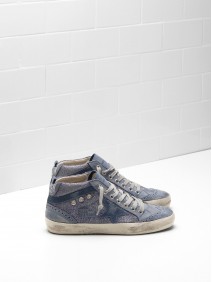 -64%
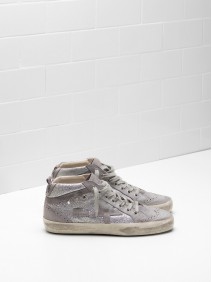 -59%
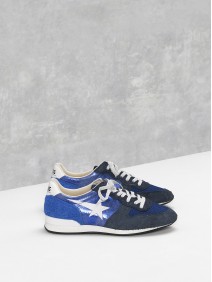 -64%
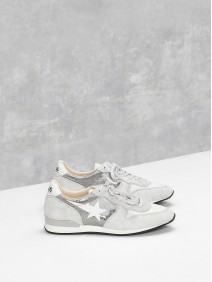 -64%
 -61%
 -64%
 -62%
 -61%
 -62%
 -64%
 -62%
 -62%
 -64%
 -62%
 -62%
 -62%
 -61%
 -61%
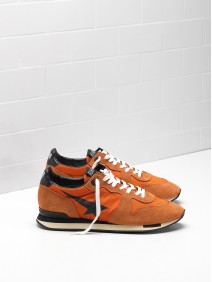 -62%
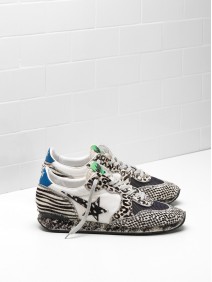 -59%
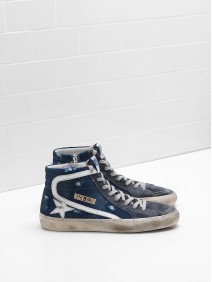 -61%
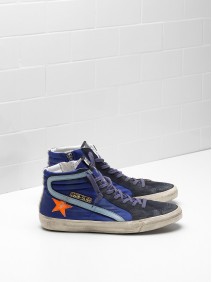 -62%
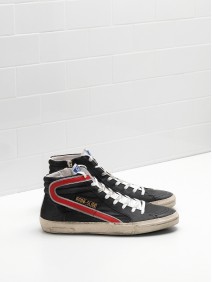 -64%
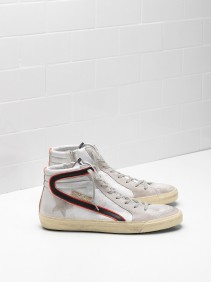 -61%
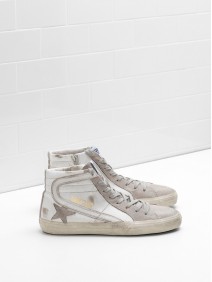 -62%
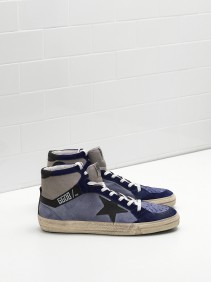 -62%
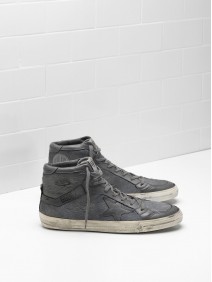 -61%
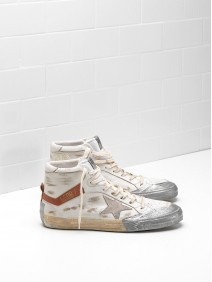 -59%
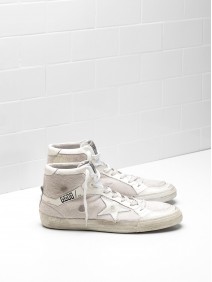 -64%
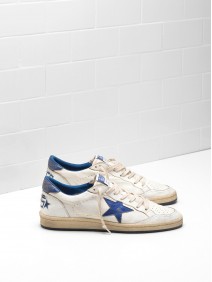 -62%
 -61%
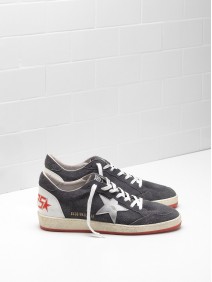
Golden Goose sneakers can work well for extended walking, but a stylish upper and rubber sole do not automatically guarantee all-day comfort. The best way to make Golden Goose sneakers more comfortable for long walks is to treat fit, cushioning, support and care as separate jobs. Small changes to each can reduce rubbing and fatigue without altering the shoe’s distinctive look.
Fit is the biggest lever. A shoe can feel excellent in a shop and troublesome after two hours because feet swell, socks add bulk and a narrow toe box changes with every step. Test candidates late in the day, in the socks you intend to walk in, and walk around rather than judging them while standing.
Support should suit the foot rather than the logo. Some Golden Goose models use a removable leather footbed, while others have thinner or more structured interiors. A slim orthotic may help an arch that feels unsupported, but stacking bulky inserts under a high instep can create pressure instead. Leather, suede, glitter, technical fabric and rubber outsoles also respond differently to heat, rain and repeated wear.
Australian conditions make those details especially relevant. Brisbane humidity, Perth’s strong sun and sudden coastal showers can affect both feet and materials, while long urban walks place demands on cushioning and grip. As the outlet is UK-oriented, Australian buyers should check the final AUD price, whether 10% GST is included, shipping to their address and the return route before ordering.
Measure both feet and compare the measurements with the internal length of the sneaker rather than relying only on the printed size. Golden Goose silhouettes vary, and European sizing can feel different from the sizes used in Australian shops. If you are between measurements, prioritise the right width and instep height; extra length alone will not cure a cramped toe.
A workable fit leaves roughly a thumbnail’s width in front of the longest toe, without the forefoot pressing against the sidewall. The heel may lift slightly when you rise before lacing, but it should not slide forward during a short walk. Check the fit again at the end of a long day, especially if you are retaining fluid in your feet.
By arvo in warmer weather, swelling can make a previously snug pair feel tight. Keep the laces firm across the midfoot, use thin moisture-wicking socks and avoid compensating with oversized footwear. Shoes should feel secure, not painful; genuine numbness, sharp pain or a hot rubbing spot means the fit needs attention before the walk continues.
Start with the insole already fitted to the shoe. Remove it, flex it gently and check for compression, cupping or a collapsed heel cradle. If the original footbed is intact, a slim, full-length insert may add arch support while preserving heel height. Replace only the worn component when possible, because two thick insoles can lift the foot and tighten the upper.
Lacing can then close the gap between heel and footbed without changing the shoe size. Keep the base knot over the narrow part of the tongue if that area feels tender, tension the side rows evenly, and use the upper eyelets only when there is room to avoid pressure. A thin tongue cushion can solve a small irritation, provided it does not bunch under the laces.
Support accessories should work with the shoe, not fight it. A heel stabiliser may suit a loose heel on a firm-footed sneaker, while an arch insert may be useful for a flatter foot; neither should be used to mask pain. If heel or arch discomfort persists, stop increasing the adjustment and seek advice from a qualified health professional.
| Comfort option | Main benefit | Best suited to | Trade-off |
|---|---|---|---|
| Stock footbed | Uses the maker’s intended heel and arch shape | A new pair without rubbing | May flatten with prolonged wear |
| Slim full-length orthotic | Adds targeted arch support | Mild midfoot pressure | Extra height may tighten a high instep |
| Heel stabiliser | Limits small heel movements | Secure forefoot with a slightly loose heel | Can feel restrictive if oversized |
| Thin tongue cushion | Relieves pressure from laces | A tender spot over the tongue | May bunch under tight laces |
| Adjustable lacing | Controls tension around the midfoot | Fit issues caused by loose lacing | Excessive tension creates pressure |
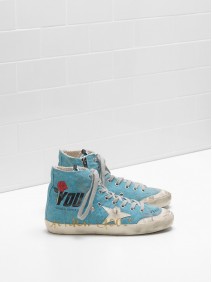
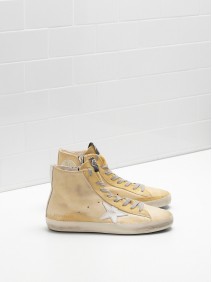
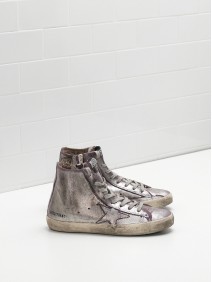
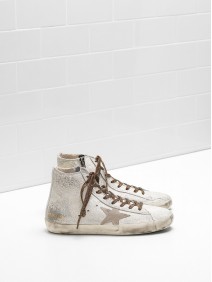
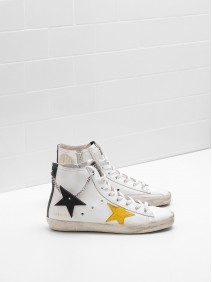
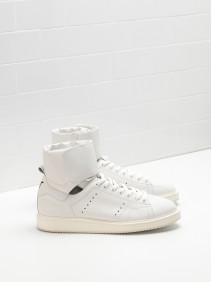
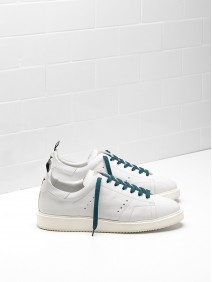
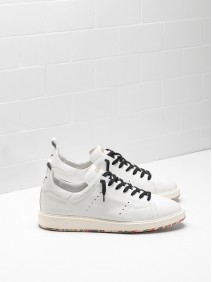
The Superstar and Francy often use fashion-led leather or suede uppers, while the Haus Halley has a more structured, distinctive profile. The Mid Star, Starter and Running families may offer more conventional shapes, but exact comfort depends on the individual pair. Slides are convenient for short errands, yet their open heel and limited arch support make them a poor choice for sustained distance.
Match the upper to the weather rather than to the trend. Smooth leather can handle occasional splashes when treated correctly, suede needs prompt drying and gentle brushing, and glitter sections should not be soaked. Technical fabric may manage moisture better, but its lining still matters. Always follow the product’s care instructions and spot-test any cleaner on a hidden area.
Never put leather or suede through a washing machine. For a washable removable sockliner, first understand detergent residue on fabric, because trapped residue can leave a hard band against the skin. Air shoes at room temperature, keep them away from heaters, and separate the rubber sole for cleaning if the care guidance allows.
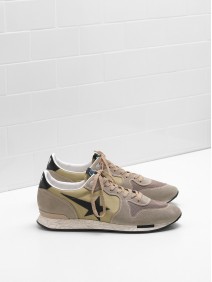
If your route covers many kilometres, begin with models built for easier forefoot movement and check the heel-to-toe transition. The outlet’s dedicated running styles provide a focused set to compare with other silhouettes. Their extra cushioning may be useful, but a running label does not replace correct sizing, and a slick street outsole still needs care on wet pavement.
Weather can change faster than a shoe choice. Brisbane’s humidity and downpours can leave cotton socks damp, increasing friction and blister risk; Perth’s dry heat can raise the temperature inside leather shoes; and a Melbourne changeable day may move from dry pavement to slippery tram tracks. Carry a spare pair of socks, choose breathable layers and use a path with reliable drainage where you can.
After a wet walk, remove the laces and footbeds, blot rather than rub, and let the shoes dry naturally. A protector suitable for the specific upper can reduce water uptake, but waterproof sprays may darken suede or reduce breathability, so test first. For a sunny route, light socks and a well-ventilated upper matter more than adding heavy ankle support that traps heat.
Break new leather or suede in gradually: wear the pair indoors for an hour, take a 20–30 minute walk, then increase distance over several outings. Alternate shoes if the route is daily, and do not wait until a full day to discover a hot spot. By the third or fourth wear, the upper should flex more naturally while the footbed and heel remain stable.
Build the rest of the routine around the walk. Smooth walking socks reduce seam friction, but the best sock is dry, correctly sized and not so thick that it crowds the toe box. On a Sydney coastal path such as Bondi to Tamarama, watch sand and salt; around Melbourne laneways, allow time for crossings and coffee stops. A few minutes of seated rest can be more useful than forcing a painful stride.
Shopping through the Golden Goose outlet lets you compare listed materials, construction and rubber soles before choosing. Read the model details closely, use the measurements from your own feet and confirm the Australian delivery terms. A pair that feels like a real beauty on a short stroll should also pass a longer test on familiar ground before becoming your regular walker.
Browse the range, choose your model with fit first, add only the support you need, and complete a full test walk before the next long outing. That is how a fashion favourite becomes footwear you can trust from the first coffee stop to the final kilometre.