-
Your shopping cart is empty!

MENU
Your shopping cart is empty!
 New
-62%
 -63%
 -59%
 -63%
 -61%
 -61%
 -60%
 -62%
 -62%
 -60%
 -63%
 -59%
 -59%
 -64%
 -59%
 -64%
 -64%
 -61%
 -64%
 -62%
 -61%
 -62%
 -64%
 -62%
 -62%
 -64%
 -62%
 -62%
 -62%
 -61%
 -61%
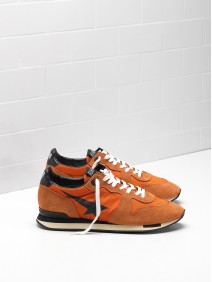 -62%
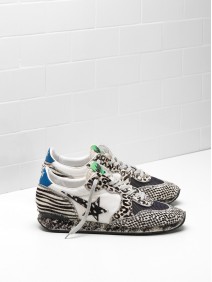 -59%
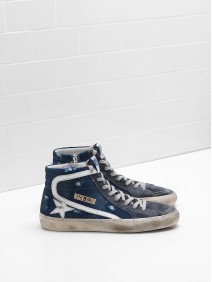 -61%
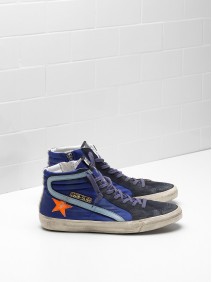 -62%
 -64%
 -61%
 -62%
 -62%
 -61%
 -59%
 -64%
 -62%
 -61%
Golden Goose sneakers are designed to look relaxed and distinctive, but their worn-in appearance should not be confused with neglect. Leather panels, suede inserts, glitter details, technical fabric, and rubber soles each respond differently to moisture, dirt, friction, and cleaning products. A simple routine helps preserve their comfort and character while slowing avoidable wear.
The best approach is gentle and consistent. Quick attention after a wet journey or a dusty day is safer than aggressive scrubbing months later. Small habits such as rotating pairs, using suitable protectors, and allowing shoes to dry naturally can make a significant difference to their lifespan.
This is especially useful when buying discounted styles from a UK-focused Golden Goose outlet. Whether you choose Superstar, Francy, Mid Star, Haus Halley, Starter, Running, or Slide sneakers, routine maintenance protects the materials and helps the footwear remain practical for everyday use.
Start by identifying the main materials on each pair. Smooth leather can usually tolerate a lightly damp cloth and a small amount of leather cleaner, while suede needs a dry brush and minimal moisture. Glitter, metallic finishes, and printed panels may lose their surface treatment if rubbed with strong detergent.
Technical fabric often benefits from gentle spot cleaning, but it should not be saturated. Rubber soles are more resilient, although abrasive powders and stiff brushes can leave visible marks. Read any care guidance supplied with the sneakers and test a product on a hidden section before treating a noticeable area.
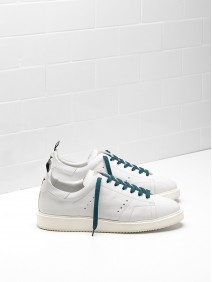
Construction also affects maintenance. A sneaker with multiple overlays, exposed stitching, or decorative distressing needs a lighter touch around seams and edges. For a practical example of how a casual model handles regular use, this Starter durability review offers useful context when planning a care routine.
Remove surface dust as soon as possible with a soft, dry brush or microfiber cloth. Brushing in one direction is particularly helpful for suede because it lifts particles without flattening the nap. For leather, use short, gentle strokes instead of vigorous polishing that could spread dirt across the panel.
Avoid wearing the same pair every day. Rotation gives moisture inside the lining time to evaporate and reduces repeated pressure in the same areas. It also helps the upper recover its shape, especially after long walks, commuting, or extended periods standing.
Use a shoehorn when putting sneakers on, and loosen the laces before removing them. Pulling on the heel can crush the rear counter and loosen the lining. Avoid driving for long periods in especially soft sneakers, since repeated heel movement can wear down the back edge faster than ordinary walking.
For a fresh mark on smooth leather, wipe gently with a barely damp cloth. Follow with a clean cloth and let the shoe air-dry. Once completely dry, a small amount of neutral leather conditioner can prevent the surface from becoming brittle, but excess product may darken pale leather or soften printed details.
Suede requires a different method. Allow mud or moisture to dry first, then use a suede brush to lift the residue. A dedicated suede eraser can help with small scuffs, provided it is used lightly. Do not apply conditioner, polish, or household soap to suede because these products can flatten the texture and create permanent patches.
Glitter and delicate embellishments should be treated as surface decorations rather than areas to polish. Dab around them with a dry cotton swab or soft cloth. If a stain remains, professional cleaning is safer than repeated home treatment. Never put structured leather or decorated sneakers in a washing machine.
The outsole receives the most contact with pavement, grit, and wet ground. After outdoor wear, inspect the grooves and remove trapped stones with a wooden stick or soft brush. This prevents small particles from grinding into the rubber while walking and makes the tread easier to monitor.
A clean rubber sole can usually be refreshed with warm water and a mild soap applied to a cloth or soft toothbrush. Keep the solution away from suede and untreated fabric. Work around the perimeter carefully, since excess water can travel into the upper through seams and adhesive areas.
Sole protectors may be useful for people who walk extensively on rough streets, but they should be fitted professionally so they do not alter the sneaker’s flex or balance. More important is responding to uneven wear. If the outer heel is wearing down quickly, changing your walking pattern, using an insole, or seeking a repair before the midsole becomes affected may extend the shoe’s usable life.
| Area to check | Routine action | Avoid |
|---|---|---|
| Smooth leather | Wipe gently and condition occasionally | Heavy polish or soaking |
| Suede | Brush dry and use a suede eraser sparingly | Water, soap, and oily creams |
| Glitter or metallic panels | Dust with a soft, dry cloth | Scrubbing and solvent cleaners |
| Technical fabric | Spot-clean with diluted mild soap | Full saturation and high heat |
| Rubber soles | Brush out grit and clean with mild soap | Abrasive powders and sharp tools |
| Interior lining | Air out after wear and use an absorbent insert | Sealing damp shoes in a box |
If your sneakers become wet, remove the insoles and loosen the laces. Blot moisture with a towel, then fill the shoes with unprinted paper or shoe trees that allow air circulation. Replace damp paper after a few hours and leave the sneakers in a ventilated room.
Never place them on a radiator, near a heater, or under a hairdryer. Direct heat can harden leather, shrink fabric, weaken adhesives, and distort the shape. Drying may take a full day, especially when the lining is thick, so plan rotation rather than trying to speed up the process.
Store sneakers away from direct sunlight, which can fade colour and dry out leather. Keep pairs in a cool, dry cupboard with enough space around them. If using the original box, make sure the shoes are fully dry first. A breathable cotton bag is preferable to an airtight plastic container.
A weekly check does not need to take long. Look at the toe boxes, heel counters, lace areas, sidewalls, and outsole edges. Early signs such as loose stitching, a lifting sole edge, or a cracked leather fold are easier and less expensive to address than advanced damage.
Laces should be washed separately when the material allows it, or replaced if they become frayed. Dirty laces can transfer grime back onto a clean upper, while worn aglets can make lacing difficult. Insoles should be aired regularly and replaced when they no longer provide support or begin to retain odour.
Keep a small care kit with a microfiber cloth, soft brush, suede brush, neutral leather conditioner, mild soap, and clean paper. Avoid using the same brush for muddy soles and pale uppers. Dedicated tools reduce cross-contamination and make routine care quicker.
Quality care should preserve the sneaker’s intended personality rather than make it look artificially new. Scuffs that form naturally can remain part of the design, while accumulated mud, salt, and moisture should be removed before they cause material damage. This balanced approach works well for both statement styles and everyday running-inspired models.
When choosing a new pair, consider where it will be worn and how much maintenance its materials require. A leather-and-suede Superstar may need different attention from a technical-fabric Running sneaker, while a glitter-accented Francy or Mid Star should be kept away from rough cleaning. Selecting a style that suits your routine makes long-term care easier.
Give your Golden Goose sneakers a few minutes of attention after regular wear, clean each material according to its needs, and store every pair dry and supported. Start with the pair you wear most often, prepare a small care kit, and make these steps part of your weekly footwear routine.