-
Your shopping cart is empty!

MENU
Your shopping cart is empty!
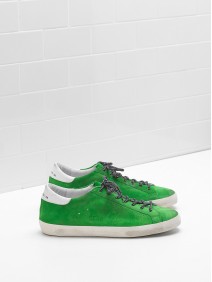 New
-62%
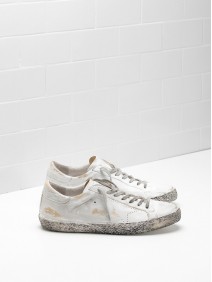 -63%
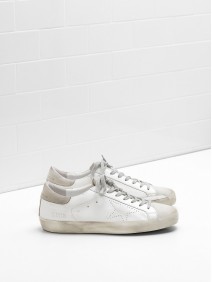 -59%
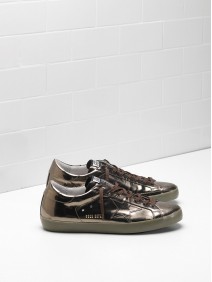 -63%
 -61%
 -61%
 -60%
 -62%
 -62%
 -60%
 -63%
 -59%
 -59%
 -64%
 -59%
 -64%
 -64%
 -61%
 -64%
 -62%
 -61%
 -62%
 -64%
 -62%
 -62%
 -64%
 -62%
 -62%
 -62%
 -61%
 -61%
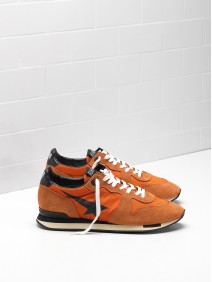 -62%
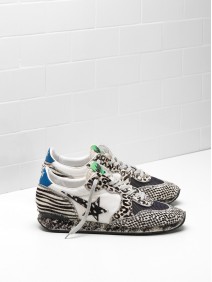 -59%
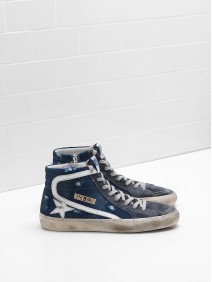 -61%
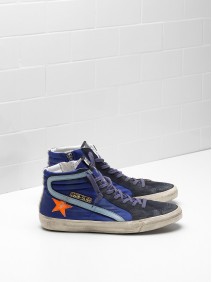 -62%
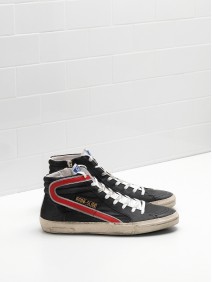 -64%
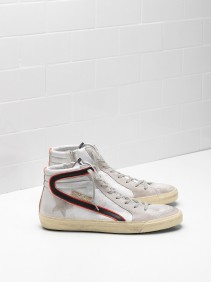 -61%
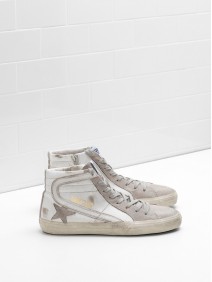 -62%
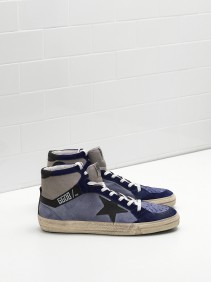 -62%
 -61%
 -59%
 -64%
 -62%
 -61%
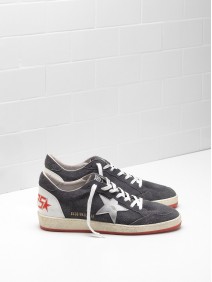
Leather-lined Golden Goose sneakers can trap sweat, dust and skin cells in their seams. Distressed leather, suede, glitter and technical fabric each react differently to moisture, so a strong-smelling pair needs careful cleaning rather than harsh chemicals that may mark the upper or loosen glue.
Sweat is usually almost odourless. The familiar sneaker smell appears when bacteria feed on perspiration and organic residue, particularly while shoes remain damp in a bag or room. Removing residue and moisture works better than hiding the problem with fragrance.
The safest sequence is to identify each material, clean the lining gently, deodorise removable parts and dry the shoes fully in moving air. Test every product on a hidden section first. Avoid soaking, machine washing or tumble drying, as each can damage leather, foam or glued panels.
Check the product description and the physical shoe before choosing a cleaner. Smooth leather usually handles a damp wipe, while suede needs dry brushing and glitter or applied finishes may lift under pressure. Technical fabric should receive less moisture than leather.
Remove insoles and laces if practical, then loosen grit from the lining with a soft shoe brush. A vacuum brush attachment can collect debris without driving it deeper, particularly around the heel and toe.
Australian commuting habits often intensify this issue. A Sydney or Melbourne worker may wear sneakers on a train or tram, sit in an air-conditioned office, then carry the damp pair home. That warm-to-cool cycle slows evaporation and lets indoor odours build.
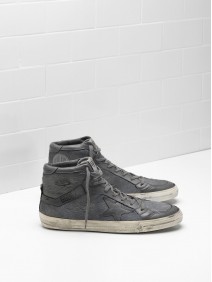
Material details also matter when buying outlet stock. Compare the upper, lining and insole on the V-Star 2 model and your chosen style. A care routine can only match what is actually inside the shoe.
Mix warm water with a small amount of mild laundry detergent until barely foamy. Dip a clean microfiber cloth in the solution and wring it until damp, not wet. Wipe the lining in small sections, using a soft toothbrush only along seams.
Change sections often and use a fresh cloth if it becomes dirty. Blot with a second damp cloth to remove soap, then press a dry cloth over the area. Never flood the leather or direct liquid into glued edges; water can travel farther than expected.
Treat the upper separately. Use a dry suede brush on hairy suede and avoid rubbing glittered panels, where reflective particles can scratch or disappear. Wipe technical fabric with diluted soap, but keep the cloth away from leather and metallic details.
Skip bleach, acetone, strong alcohol and household vinegar on unverified leather. They can strip colour, dry the finish or leave pale rings. A gentle cleaner takes longer, yet it is safer for distressed Golden Goose finishes.
Once the lining is clean, address the insole, where much of the smell often concentrates. If it is removable and washable, wipe it with mild soap. For foam, dust it lightly with baking soda, leave it for 30 minutes and vacuum it away.
Activated charcoal suits shoes that are not being washed that day. Keep it in a breathable pouch or loose paper wrap inside the sneaker, never directly against the leather, and replace it when it becomes damp or loses its absorption.
Do not rely on deodoriser sprays alone. Perfume can mask a small smell while leaving bacteria-feeding residue in place, and aerosol fragrance may irritate sensitive feet. If itching, scaling or redness develops, seek advice from a GP or podiatrist instead of using stronger chemicals.
Reshape the lining with clean paper towels or unglued newspaper after cleaning. Replace absorbent paper when it feels damp, leave the shoe unlaced in a ventilated position and place an unfragranced shoe tree inside if available.
Local weather changes the drying method. Brisbane’s humid, rainy summer can slow drying, so use a fan and maximise airflow rather than heat. Adelaide’s dry summers and dusty paths call for regular brushing, while coastal Sydney and Melbourne suburbs such as Bondi or Brighton can leave salt and sand in the outsole.
Perth’s relatively hard tap water may leave mineral marks, so use filtered water for the final wipe where the supply is hard. Clean rubber soles separately with mild soap, keeping water away from leather. Pat away salt rather than rubbing gritty particles across the finish.
Let the sneakers dry at room temperature. Direct sunlight, radiators and heated shoe dryers can shrink foam, fade colour or weaken glue. Airflow removes moisture without trading a sneaker problem for damaged materials.
After the leather is completely dry, apply a conditioner formulated for that finish, if appropriate. Patch-test first and use a small amount on a soft cloth. Skip ordinary polish over suede, glitter or coated panels, where it can change colour and texture.
Prevention starts at the foot. Change socks daily, especially after gym sessions or long commutes, and choose moisture-managing fibres rather than thick cotton that stays wet against the lining. This guide to breathable sock choices supports that daily habit.
Rotate two or more pairs so each can dry fully. Store them unlaced in a breathable box or cotton bag, not a sealed plastic tub. In humid Brisbane or Sydney homes, a silica-gel sachet can protect the interior if it cannot spill onto the leather.
Australia’s sneaker outlet market includes many heavily discounted listings, so consumer checks matter. The ACCC advises that advertising must not mislead, and purchases made in Australia are generally covered by the Australian Consumer Law for faulty goods. Confirm the materials, discount and return policy before paying.
Use the mildest method that suits the material, and dry fully between steps. Different treatments solve different parts of the problem, so a single strong product is rarely the safest option.
| Method | Best suited to | Application | Main caution |
|---|---|---|---|
| Baking soda | Removable foam insoles | Dust lightly, wait 30 minutes, then vacuum | Keep powder off leather and glitter |
| Activated charcoal | Shoes between wears | Place in a breathable pouch | Replace when damp |
| Mild soap solution | Leather lining and technical fabric | Wipe with a wrung cloth, then blot | Never soak a glued shoe |
| Odour spray | Temporary masking only | Apply lightly from a distance | Can stain and does not remove residue |
| Professional cleaner | Deep soil or persistent odour | Use a shoe specialist familiar with leather | Confirm lining and material care |
For a typical pair, wipe the lining, treat the insole, add charcoal during drying and finish with leather care once everything is dry. Professional cleaning is sensible when odour remains after several dry cycles or when the upper has heavy mud, glitter loss or uncertain materials. Do not combine bleach, ammonia or alcohol-based products.
A cleaned sneaker should smell fresh without perfume, and its leather should remain soft rather than stiff or patchy. If odour returns within hours, or your feet itch or peel, consider a skin or fungal issue and consult a healthcare professional.
When the old pair is ready for another season, browse the store’s discounted Golden Goose range, compare lining and insole details and choose moisture-managing socks for your next commute. Check delivery and returns terms for your Australian address, including whether advertised free fast shipping applies to UK-oriented stock, before checkout.