-
Your shopping cart is empty!

MENU
Your shopping cart is empty!
 New
-62%
 -63%
 -59%
 -63%
 -61%
 -61%
 -60%
 -62%
 -62%
 -60%
 -63%
 -59%
 -59%
 -64%
 -59%
 -64%
 -64%
 -61%
 -64%
 -62%
 -61%
 -62%
 -64%
 -62%
 -62%
 -64%
 -62%
 -62%
 -62%
 -61%
 -61%
 -62%
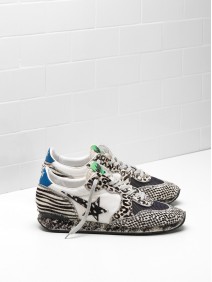 -59%
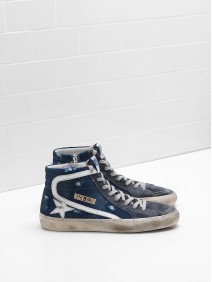 -61%
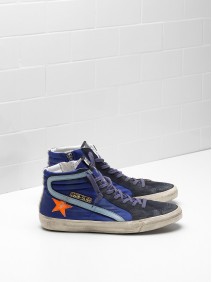 -62%
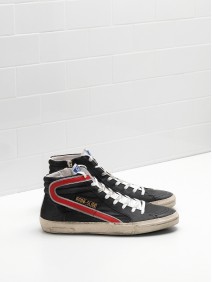 -64%
 -61%
 -62%
 -62%
 -61%
 -59%
 -64%
 -62%
 -61%
Golden Goose sneakers are designed with a lived-in appearance, so a small mark may blend into the intentional vintage finish. Still, dark rub marks, fresh stains, and visible scratches can make a pair look less polished. The safest approach is to clean gradually, using the mildest method that suits the material. Learn more about Goldengooseshoponline.com.
Leather, suede, glitter panels, technical fabric, and rubber soles all respond differently to moisture and friction. Before treating a Superstar, Francy, Mid Star, Haus Halley, Starter, Running, or Slide style, identify the affected area and check the care information supplied with the shoes.
If you are unsure whether a snug or relaxed fit will make cleaning and daily wear easier, read these customer sizing experiences. A well-fitting sneaker is less likely to fold sharply at the toe, where creasing can make surface marks more noticeable.
A scuff is usually a superficial transfer of rubber, paint, dirt, or another material. It often appears as a grey or black line on smooth leather and may sit on the surface without breaking the finish. A scratch is different: it cuts into the coating or leather and may need professional repair.
Look closely in natural light. Check whether the mark is on smooth leather, suede, a painted detail, glitter, fabric, or the rubber foxing. Avoid treating the entire shoe when the problem is limited to one small patch. Local cleaning reduces the risk of uneven color or a visible clean spot.
For dark transfer marks, begin with a dry microfiber cloth. Gently wipe in one direction, then inspect the area. Loose dust can act like fine grit, so removing it first helps prevent additional abrasion during wet cleaning.
You do not need specialist equipment to deal with most light scuffs. A small kit should include a clean microfiber cloth, soft horsehair brush, cotton swabs, lukewarm water, and a mild leather cleaner. A white pencil eraser may help with certain dry marks, but it should be used sparingly.
Avoid kitchen degreasers, bleach, acetone, alcohol-based solvents, rough sponges, and colored cloths. These products can strip pigment, dissolve surface treatments, or leave dye behind. Magic-eraser-style foam is also risky on leather because its abrasive texture can dull the finish.
Always test the chosen cleaner on a hidden section, such as the inner ankle area or beneath a tongue. Apply a tiny amount, allow it to dry, and compare the color and texture before proceeding with the visible scuff.
For a light mark on smooth leather, dampen a microfiber cloth with water and wring it until it is almost dry. Add a small amount of leather cleaner to the cloth rather than pouring it onto the shoe. Work over the scuff with gentle circular motions, using minimal pressure.
If the mark remains, repeat the process after the surface has dried. Several short treatments are safer than one forceful scrubbing session. Finish by wiping away residue with a clean, barely damp cloth, then let the sneakers air-dry at room temperature.
A white rubber eraser can help lift a dry rubber streak from smooth leather or the rubber midsole. Rub lightly and stop frequently to check the result. Do not use an eraser on suede, glitter, metallic finishes, or painted areas, where friction may alter the texture or sheen.
| Sneaker area | Suitable first step | Products or actions to avoid |
|---|---|---|
| Smooth leather upper | Dry microfiber cloth, then mild leather cleaner | Saturation, acetone, rough scrubbing |
| Suede or nubuck | Dry suede brush and suede eraser | Water rings, leather cream, oily cleaners |
| Glitter or metallic detail | Dry cotton swab or soft brush | Solvents, adhesive cleaners, heavy pressure |
| Technical fabric | Soft brush with diluted mild soap | Soaking, hot water, aggressive brushing |
| Rubber sole and foxing | Damp cloth or white eraser | Colored erasers, bleach, sharp tools |
Suede and nubuck should generally be handled dry. Brush the nap gently with a suede brush, working in one direction to lift dust and loosen a shallow mark. A suede eraser may remove a small transfer stain, but use light strokes and avoid repeatedly rubbing one spot.
If suede becomes wet, blot it with a dry towel rather than spreading the moisture. Allow it to dry naturally, away from radiators and hairdryers. Once fully dry, brush the nap back into place. Water-based cleaning can leave a ring, so substantial stains are better handled by a specialist.
Glitter, metallic leather, and decorative appliqués need an even lighter touch. Use a dry cotton swab or soft brush to remove surface dirt. Do not apply leather conditioner, polish, or solvent to glitter unless the manufacturer specifically approves it, since these products can loosen particles or change the shine.
The rubber sole and sidewall can usually tolerate more cleaning than the upper. Start with a damp cloth, then use a soft toothbrush for the grooves and textured edges. A small amount of mild soap diluted in water can help with grey marks around the foxing.
For stubborn black scuffs on white rubber, a white eraser may work well. Keep it on the rubber only and use short, controlled strokes. Wipe away eraser residue with a clean cloth, taking care not to drag the dirt onto leather or fabric panels.
Do not immerse the sneakers in a basin. Excess water can weaken adhesives, stain leather, and create an unpleasant drying odor. Remove the laces before cleaning if they are dirty, and wash them separately in mild soapy water.
After cleaning, stuff each shoe with plain white tissue or a clean unprinted cloth. This helps preserve the shape while the upper dries. Keep the sneakers in a ventilated room at normal temperature and allow several hours, or overnight, before wearing them.
When smooth leather is completely dry, apply a small amount of neutral leather conditioner if the surface looks dull or dry. Spread it thinly with a soft cloth and buff gently. Skip conditioning on suede, glitter, fabric, and heavily printed sections unless a compatible product is recommended.
A water and stain protector designed for the specific material can reduce future marks. Spray lightly from the distance stated on the product, test first, and allow the shoes to cure fully. Protection helps repel everyday dirt, though it does not make the sneakers stain-proof.
Daily handling has a strong effect on how quickly leather sneakers develop visible wear. Use a shoehorn, loosen the laces before taking the shoes off, and avoid kicking one heel against the other. Store each pair away from damp clothing, dark denim, and rough surfaces.
Helpful care habits include:
When scuffs become deep scratches, exposed leather appears, or color has transferred across a large panel, home cleaning may do more harm than good. A leather repair specialist can match pigment, smooth the damaged area, and preserve the original distressed character without making the pair look artificially new.
The goal is to improve the condition of the sneakers without erasing the character built into their design. Golden Goose footwear often combines intentionally faded leather, contrasting panels, hand-finished effects, and worn-looking soles. A perfectly uniform finish may look less natural than a carefully cleaned pair with some original variation.
Work in small areas and compare both shoes as you go. If one sneaker becomes significantly brighter, stop and avoid trying to “correct” the other with unnecessary product. Gentle maintenance, proper drying, and occasional protection usually produce a better long-term result than frequent deep cleaning.
For replacement pairs or different materials, browse the Golden Goose sneaker collection for styles featuring leather, suede, technical fabric, glitter, and rubber soles. Check the product details before choosing a cleaning method, then give new sneakers a light protective treatment before their first outing.