-
Your shopping cart is empty!

MENU
Your shopping cart is empty!
 New
-62%
 -63%
 -59%
 -63%
 -61%
 -61%
 -60%
 -62%
 -62%
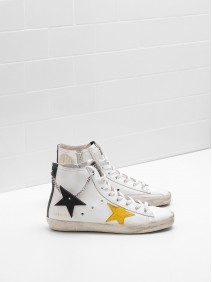 -60%
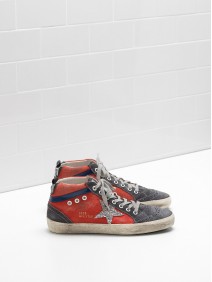 -63%
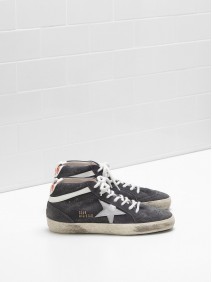 -59%
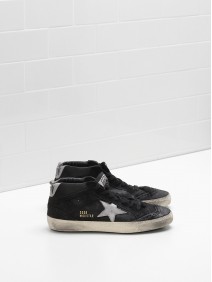 -59%
 -64%
 -59%
 -64%
 -64%
 -61%
 -64%
 -62%
 -61%
 -62%
 -64%
 -62%
 -62%
 -64%
 -62%
 -62%
 -62%
 -61%
 -61%
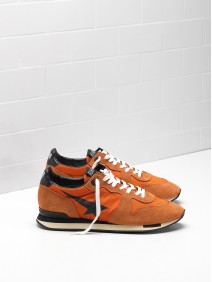 -62%
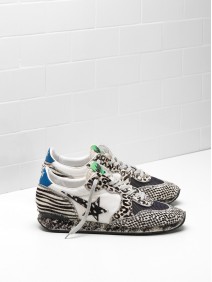 -59%
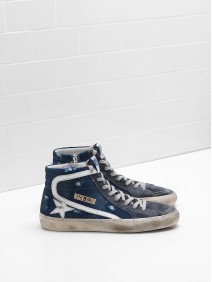 -61%
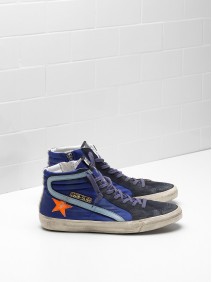 -62%
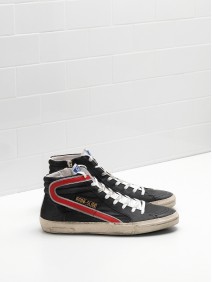 -64%
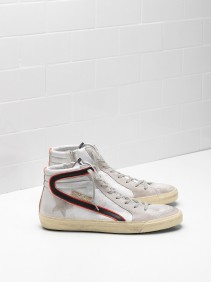 -61%
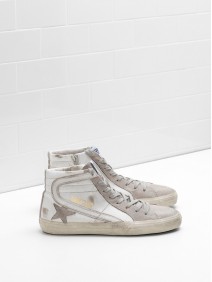 -62%
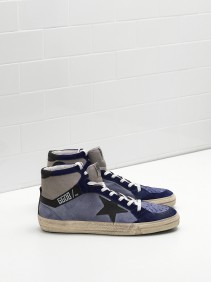 -62%
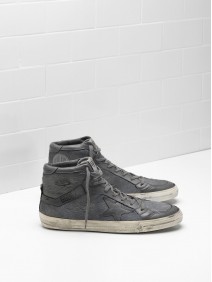 -61%
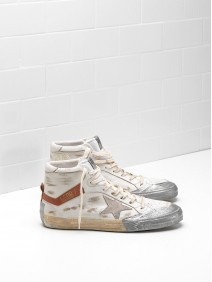 -59%
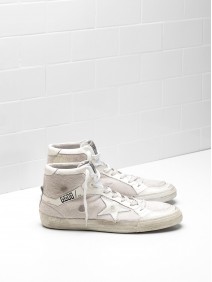 -64%
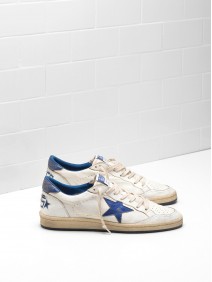 -62%
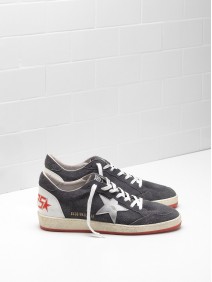 -61%
Golden Goose sneakers can develop character through years of wear, but damaged or mismatched laces can make a favourite pair look neglected. Replacing them is quick, inexpensive and surprisingly straightforward. The process works on laced models such as the Superstar, Francy, Mid Star, Haus Halley, Starter and Running, provided you match the lace width and length to the eyelets.
Before shopping, check whether both shoes use standard eyelets or a different arrangement. Slide styles generally do not require laces. Photograph the original threading, note any labels inside the tongue, and inspect the aglets—the small plastic tips that stop the laces fraying. This preparation helps the new laces follow exactly the same route without putting unnecessary strain on the leather or suede.
Flat cotton laces create a neat, casual appearance and spread pressure more evenly across the eyelet. Round laces suit a more traditional sneaker look and can feel secure during long walks. Waxed cotton holds its shape well, while technical or reflective options may be useful for people who regularly walk through poorly lit areas after work.
Length matters almost as much as width. Use the old laces as a guide, or measure the distance between the aglets and the route through each eyelet. If the original pair is gone, choose a slightly longer replacement rather than one that barely reaches the bow. Short laces may look tidy but can pull the quarters of the shoe inward and create pressure over the top of the foot.
Colour is a personal choice. Black or tonal laces preserve the understated finish associated with Golden Goose, while cream, red or metallic laces can highlight the brand’s distinctive detailing. If you are also updating your footwear rotation, the Golden Goose Smash range offers another option for comparing current designs and outlet pricing.
Australian shoppers should check the delivered price and returns policy, especially when comparing heavily discounted pairs. For purchases from Australian sellers, consumer prices generally include 10% GST, and the Australian Consumer Law requires businesses not to mislead shoppers about pricing, availability or product quality. Clear descriptions of leather, suede, glitter, fabric and sole materials are useful signs of a properly presented listing.
Start by loosening the bow completely. Untie it rather than pulling the knot deeper into the shoe, as this can force the lace through the top eyelets or stretch the surrounding material. If a lace-lock or sliding knot is present, release it and work the lace back through the eyelets in small sections.
Remove one shoe at a time so you can compare the two threading patterns. Hold the tongue in place and gently pull the free end from underneath, rather than yanking the entire length sideways. The eyelet can tighten or distort if too much force is applied, particularly on suede panels or sneakers with delicate stitching.
If the laces are badly matted or glued to themselves, separate them by hand with a little moisture and mild soap. Avoid sharp tools, heat or solvents, which could damage the upper or leave marks on the eyelets. Keep one old lace if you still need to check its length, then place both shoes on a clean, flat surface before fitting the replacements.
Lay the shoe down with the tongue raised and open the eyelets fully. Most Golden Goose sneakers use a straightforward criss-cross route, but the original photograph remains the best reference if the pattern is unusual. Start at the bottom eyelets on both sides and bring each end upward, keeping the sections even.
Pass the first end under the opposite eyelet, then take the second end over and through its corresponding eyelet. Continue the alternating over-and-under pattern until you reach the final pair of holes. Pull each section gently from underneath so the lace lies flat and does not twist around the side of the shoe.
At the top, cross the two ends over one another to create the base of the bow. Bend each end back to form two loops, wrap one loop around the other and push it through the opening. Pull both sides outward until the bow sits centred. The lace should feel secure without tightening the top of the shoe excessively.
Before repeating the process on the second shoe, compare the two sides. Make sure the label or branded section faces the same direction, the crossing points are symmetrical and the bow sits in the same position on both shoes. Even small differences can become noticeable when the sneakers are worn together.
A properly fitted lace should not pinch, numb or lift the heel. Put on both socks and the shoes you normally wear with them, then stand, walk around and bend your toes. The upper should feel supportive without compressing the foot, and the tongue should remain centred rather than being pulled toward either side.
City routines make this test especially useful. Someone commuting between an air-conditioned Sydney office and an outdoor train platform may need slightly more adjustment than someone working indoors all day. Melbourne tram stops, school runs and weekend walks also provide a practical way to check whether the bow or lace ends catch on clothing, seats or other footwear.
Flat laces generally create a broader, neater bow, while round laces can look more understated with slim trouser legs. For ideas beyond the repair itself, this smart casual styling guide shows how sneakers can be incorporated into relaxed office outfits. Clean replacement laces often make an existing pair work harder in a smart casual rotation.
Do not overtighten the laces to compensate for an odd fit. If the shoe feels uncomfortable, check that both shoes are threaded correctly and that the lace length is appropriate. Excessively tight laces can cause rubbing, restrict circulation and gradually damage the eyelet area, turning a simple refresh into an avoidable repair.
Wash removable laces separately in cool water with mild detergent, then let them air dry. Avoid a hot tumble cycle, which can shrink cotton or harden waxed fibres. Always follow the shoe’s care instructions, especially when the upper combines leather and suede, and never soak the entire sneaker just to clean its laces.
Australian conditions require a little extra care. Humid summers can make cotton laces stretch, while intense UV exposure may fade lighter colours. Sudden rain is common in Melbourne and other southern cities, so allow wet shoes and laces to dry naturally rather than placing them near a heater. Avoid leaving the sneakers in a hot car, where high temperatures can warp adhesives and affect the shape of the tongue.
A quick comparison makes it easier to select a replacement:
| Lace option | Feel and appearance | Best suited to | Care consideration |
|---|---|---|---|
| Flat cotton | Soft, broad and neat | Everyday and casual outfits | May crease or stretch with frequent wear |
| Round cotton | Traditional and compact | Classic sneaker styling | Can dig in if fitted too tightly |
| Waxed cotton | Firm and shape-retaining | Smart casual or all-day wear | Needs gentler washing |
| Technical or reflective fibre | Durable and visible in low light | Commuting and active use | May feel less soft against the eyelet |
Choose one pair in the correct length, fit both shoes carefully and give the finish a final inspection. If the old sneakers no longer match your wardrobe or have reached the end of their useful life, browse the store’s outlet-priced Golden Goose collection, check the material details and take advantage of free fast shipping for your next pair.