-
Your shopping cart is empty!

MENU
Your shopping cart is empty!
 New
-62%
 -63%
 -59%
 -63%
 -61%
 -61%
 -60%
 -62%
 -62%
 -60%
 -63%
 -59%
 -59%
 -64%
 -59%
 -64%
 -64%
 -61%
 -64%
 -62%
 -61%
 -62%
 -64%
 -62%
 -62%
 -64%
 -62%
 -62%
 -62%
 -61%
 -61%
 -62%
 -59%
 -61%
 -62%
 -64%
 -61%
 -62%
 -62%
 -61%
 -59%
 -64%
 -62%
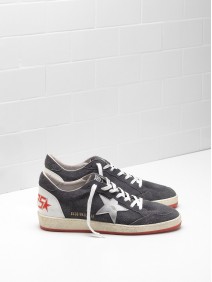 -61%
Golden Goose sneakers are designed with a lived-in appearance, so fading is not always a defect. Scuffed edges, softened contrast, and uneven shading often form part of the deliberately vintage aesthetic. Still, sun exposure, moisture, dust, and repeated cleaning can make the colors look dull rather than intentionally worn.
Restoring the color requires a controlled approach. The right method depends on whether the upper is smooth leather, suede, glitter, technical fabric, or a combination of materials. A gentle cleaning session may be enough for surface dullness, while genuine pigment loss calls for a compatible recoloring product.
Work slowly and treat each panel according to its material. A small test on a hidden area can prevent a dark patch, stiff texture, or unwanted shine across the visible upper.
Examine the sneakers in natural daylight. Check whether the color has truly disappeared or is simply covered by grime, salt, dried mud, or product residue. Compare the faded section with areas protected by laces, tongues, or overlapping panels. If the protected areas are brighter, the problem may be surface buildup rather than pigment loss.
Look for cracking, peeling, water marks, and loose stitching before applying anything. Deep cracks cannot be repaired with shoe cream alone, and saturated suede may need professional treatment. Also identify every material on the sneaker. A smooth leather side panel can accept leather balm, while suede, glitter, and technical fabric need different products.
Golden Goose designs often combine several textures and finishes in one shoe. The distinctive contrast between worn leather, metallic details, and rubber soles can be damaged by applying one universal dye everywhere. Mask neighboring panels with low-tack painter’s tape when working on a small area.
For smooth leather, use a soft horsehair brush, a microfiber cloth, mild leather cleaner, leather conditioner, and a color-matched cream or acrylic leather paint. A small sponge or fine artist’s brush helps you build thin layers instead of creating a heavy, artificial block of color.
Suede requires a suede brush, suede eraser, and a dedicated suede renovator or dye. Avoid ordinary leather polish because it can flatten the nap and leave suede glossy. For canvas or technical fabric, choose a fabric-safe cleaner and, if necessary, a flexible fabric colorant. Glitter panels should usually be cleaned only with a dry or barely damp cloth.
Use clean water sparingly and keep separate cloths for cleaning and coloring. Disposable gloves protect your hands from pigment, while paper or shoe trees help the sneakers retain their shape. Before using any conditioner, dye, or protector, read its instructions and test it under the heel or inside an ankle panel.
Remove the laces and brush away loose dust. Clean the rubber sole separately with a damp melamine sponge or mild soapy cloth, taking care not to rub the upper. For leather, apply a small amount of cleaner to a cloth rather than pouring it directly onto the shoe. Wipe gently in overlapping motions, then remove residue with another slightly damp cloth.
Do not soak the sneaker or scrub aggressively across printed details. Excess water can create tide marks, weaken adhesives, and spread dirt into perforations. Allow the pair to dry naturally at room temperature for at least several hours. Direct heat from a radiator or hair dryer can shrink leather and make it brittle.
Once dry, brush suede in one direction to lift the nap. Use a suede eraser on isolated marks, applying light pressure. If the upper still looks pale after cleaning, the color has probably faded rather than merely become dirty.
The best restoration technique is determined by the upper, not simply by the shade you want to recover. Use the following guide before opening a pigment or renovator.
| Sneaker material | Suitable color treatment | Application approach | Main risk |
|---|---|---|---|
| Smooth leather | Leather cream, balm, or flexible leather paint | Apply very thin coats with a sponge or fine brush | Streaks, stiffness, or excessive shine |
| Suede or nubuck | Suede renovator spray or suede dye | Brush the nap, mist evenly, and blend outward | Flattened texture or dark water marks |
| Canvas or technical fabric | Fabric-safe cleaner and flexible fabric colorant | Dab lightly and allow each layer to dry | Hard patches or bleeding |
| Glitter or metallic panels | Usually dry cleaning only; use specialist product if approved | Test an inconspicuous spot first | Loss of sparkle or flaking |
| Rubber sole | Rubber cleaner or mild soap | Treat separately with a cloth or soft brush | Color transfer onto the upper |
For smooth leather, begin with conditioner if the material feels dry. After it absorbs, apply a small amount of matching cream to the faded section. Feather the edges so there is no visible boundary between restored and naturally distressed areas. Several light coats produce a more convincing finish than one thick application.
If using acrylic leather paint, thin it according to the manufacturer’s instructions and flex the shoe between coats. Do not paint over intentional scuffs unless you want a more uniform appearance. The goal is usually to revive the base tone while preserving the character of the original design.
Suede color is best revived with a product made specifically for suede or nubuck. Shake renovator spray well, hold it at the recommended distance, and apply a light, even mist. Keep the can moving to avoid dark spots. Once the surface is dry, brush the nap gently and repeat only if the color remains uneven.
Technical fabric and canvas should be treated with restraint. Dab colorant onto the fabric rather than saturating it, and allow it to dry completely between coats. Test the flexibility after drying. If the material feels rigid, too much product has been applied and additional layers may cause cracking.
Glitter, metallic leather, and printed sections need special care. Avoid ordinary polish, alcohol, abrasive sponges, and heavy brushing. For shoppers comparing replacement pairs or looking for similar finishes, the Golden Goose styles available through an outlet-focused collection can also help you identify the original material and color combination before attempting a repair.
After the color has dried, inspect both shoes together. It is often better to soften a newly restored area than to make every panel equally bright. A clean, dry brush can blend leather cream edges, while a suede brush can redistribute the nap. Remove painter’s tape slowly so it does not lift fresh product.
Apply a compatible protector once the restoration has fully cured. Use a light spray in a ventilated area and avoid saturating the upper. Protector helps repel light moisture and dirt, but it does not make delicate glitter or suede waterproof. Let the sneakers dry fully before wearing them outdoors.
Keep the laces out during the final inspection, then reinstall them only when the surface is clean and dry. If the color remains patchy, the leather feels sticky, or the finish has become glossy in the wrong places, stop adding product. A cobbler experienced with luxury sneakers can often correct uneven pigment more safely than repeated home treatments.
A restored pair will stay attractive longer when daily care is gentle and consistent. Rotate sneakers instead of wearing the same pair every day, store them away from windows, and use shoe trees or acid-free paper to reduce creasing. Let damp shoes air-dry before placing them in a box or wardrobe.
Follow these practical maintenance habits:
Color fading is gradual, so inspect the sneakers every few weeks rather than waiting until the shade has changed dramatically. Early cleaning and conditioning usually require less pigment and preserve more of the original finish.
Take your time, test every product discreetly, and restore only the areas that genuinely need color. With careful material matching and thin, controlled applications, faded Golden Goose sneakers can regain depth while retaining the relaxed character that makes the style distinctive. Begin with a close inspection and a gentle clean before deciding whether recoloring is necessary.