-
Your shopping cart is empty!

MENU
Your shopping cart is empty!
 New
-62%
 -63%
 -59%
 -63%
 -61%
 -61%
 -60%
 -62%
 -62%
 -60%
 -63%
 -59%
 -59%
 -64%
 -59%
 -64%
 -64%
 -61%
 -64%
 -62%
 -61%
 -62%
 -64%
 -62%
 -62%
 -64%
 -62%
 -62%
 -62%
 -61%
 -61%
 -62%
 -59%
 -61%
 -62%
 -64%
 -61%
 -62%
 -62%
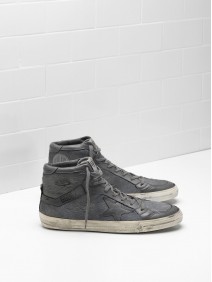 -61%
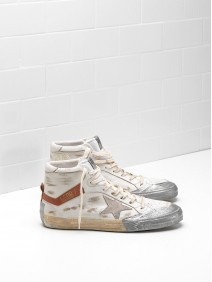 -59%
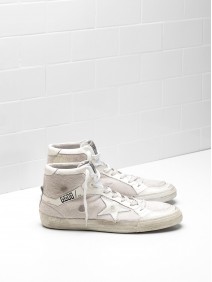 -64%
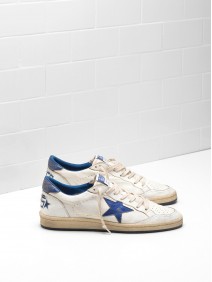 -62%
 -61%
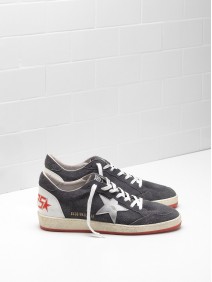
Golden Goose sneakers are known for their deliberately worn appearance, hand-finished details, and distinctive Italian design. That intentional aging can make authentication difficult because scuffs, faded panels, uneven colour, and vintage-looking soles are part of the style rather than signs of poor quality.
The inside tag and stitching provide two of the most useful clues when checking a pair. They should be examined alongside the shape, materials, branding, outsole, packaging, and seller information. No single detail proves authenticity, particularly because Golden Goose has released many collections and construction details can vary between models.
A careful inspection is especially important when a pair is offered at a heavily reduced price. Discounted outlet listings may be genuine, but an unusually low price combined with vague product images, inconsistent labels, or weak construction deserves closer attention.
Open the shoe fully and inspect the label attached to the inner side of the tongue or lining. Authentic Golden Goose labels generally have clean, readable printing, accurate spacing, and a professional finish. The brand name should appear consistently, without blurred lettering, unusual fonts, spelling mistakes, or uneven ink density.
Information can differ according to the model, production period, and size format. Some labels may include the country of manufacture, sizing information, material references, or production codes. Do not reject a pair simply because its tag looks different from an image found online. Instead, compare both shoes and check whether the details are coherent with the model being sold.
The label should also be securely attached. Loose edges, crooked placement, excessive glue, or rough cutting around the fabric can be warning signs. A genuine sneaker may show minor handmade variation, but the overall tag should still look intentional and durable.
Golden Goose branding is usually restrained rather than overloaded with logos. On an interior tag, letters should have defined edges and consistent alignment. Counterfeit pairs often reveal themselves through thick or thin lettering, incorrect capitalization, crowded text, or a logo that appears slightly stretched.
Check the size information against the retailer’s description and the fit expected for the model. A mismatch between the printed size, box label, and seller’s listing should be investigated. It is also useful to compare the information on the two shoes, since identical pairs should not normally carry completely unrelated production details.
Codes can support an authentication check, but they should not be treated as a standalone guarantee. A copied code may be placed on a fake sneaker, while legitimate older releases may be difficult to match through current online searches. Product photos, receipts from an authorised source, and a consistent chain of purchase are stronger when used together.
Stitching is one of the clearest indicators of manufacturing quality. Look closely at the star appliqué, heel tab, tongue, side panels, collar, and areas where leather meets suede or technical fabric. Authentic construction normally has secure seams, controlled thread tension, and stitching that follows the shape of each panel.
Golden Goose designs can include visible irregularity because the shoes are distressed and finished to appear individual. Slight asymmetry in scuffing or surface treatment is therefore not automatically suspicious. The key distinction is between artistic variation and structural carelessness. Loose threads, skipped stitches, broken seams, dangling thread ends, or large gaps are more concerning than a slightly uneven decorative line.
Turn the shoe inside out as far as possible. Inspect the stitching around the lining and tongue, where counterfeit producers may use cheaper materials or rush the assembly. The thread should not appear melted, excessively fuzzy, or heavily covered with adhesive. Seams should feel flat and stable when pressed rather than separating under light pressure.
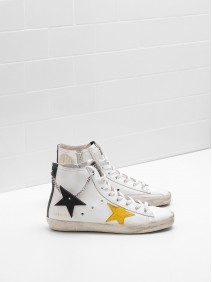
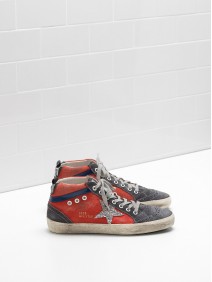
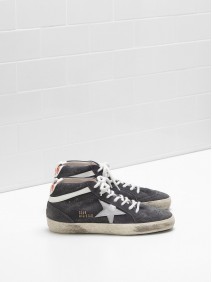
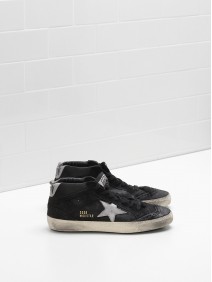
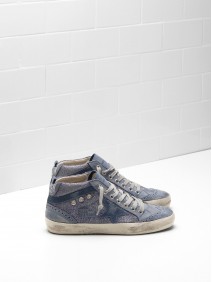
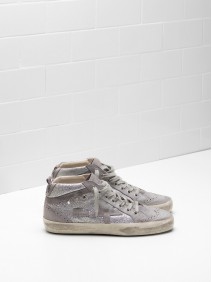
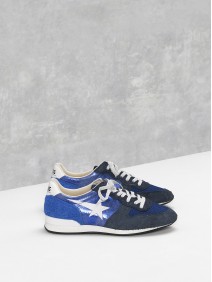
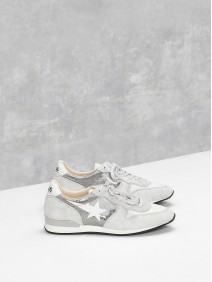
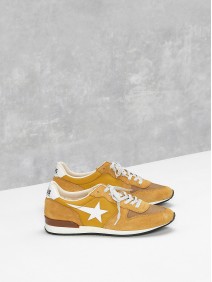
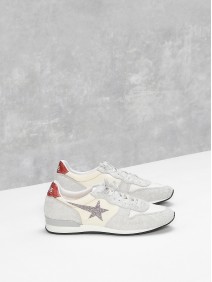
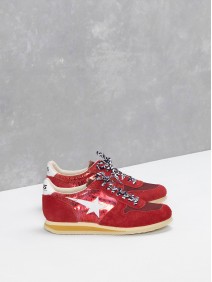
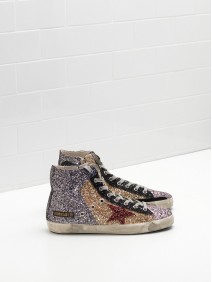
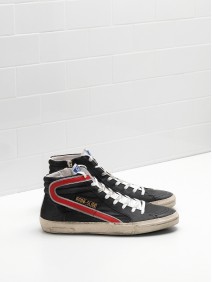
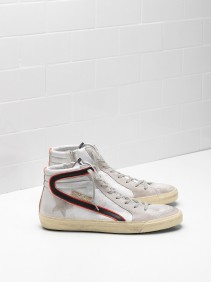
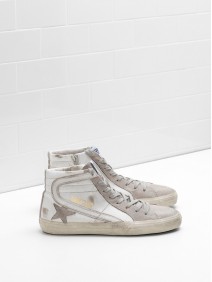
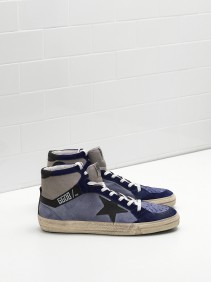
Different Golden Goose silhouettes have different proportions and construction features. Superstar sneakers, for example, have a recognizable low profile and side star, while Francy and Mid Star styles use higher collars and different panel arrangements. Haus Halley, Starter, Running, and Slide designs may have their own labels, sole patterns, and material combinations.
Use the exact model name when comparing photographs. A women’s Superstar in leather and suede should not be checked against a glitter version, a men’s Running sneaker, or an older seasonal release. Look at the placement of the star, the heel counter, eyelets, tongue shape, outsole edge, and colour blocking rather than relying on a general impression.
For shoppers comparing available styles, the women’s Golden Goose collection can help establish which silhouettes, finishes, and material combinations are currently being presented. Product images are useful for comparison, but they should be treated as a reference rather than absolute proof because lighting and deliberate distressing can alter the appearance.
| Detail to inspect | Signs that support authenticity | Warning signs |
|---|---|---|
| Inside tag | Crisp print, secure attachment, coherent size and production information | Blurred text, spelling errors, crooked placement, weak fabric |
| Stitching | Even tension, strong seams, controlled thread ends | Skipped stitches, loose threads, open seams, heavy glue |
| Star and panels | Clean attachment with model-appropriate proportions | Poorly shaped star, lifting edges, uneven panel joins |
| Outsole | Firm rubber, consistent pattern, durable bonding | Soft plastic feel, excessive adhesive, misaligned sole |
| Materials | Leather, suede, glitter, or fabric with convincing texture | Strong chemical odour, plastic-like surfaces, thin lining |
| Packaging | Matching size, model, and colour information | Generic box, mismatched labels, inconsistent paperwork |
The star appliqué is a prominent visual feature, but counterfeiters can reproduce its general shape. Inspect how it is attached to the upper. The edges should sit securely, with stitching or bonding appropriate to the design. A star that is noticeably too narrow, too thick, badly positioned, or lifting from the side panel should be compared against verified images of the same release.
The lining and footbed can reveal material shortcuts. Genuine pairs usually have a comfortable, well-finished interior with branding that is integrated into the design. Look for excess adhesive, rough foam, badly cut fabric, and an insole that shifts easily. Some wear or fading may be legitimate on pre-distressed footwear, so focus on construction rather than cleanliness.
Examine the rubber sole at the edges and underneath. It should be firmly bonded to the upper, with a consistent shape and a tread pattern suitable for the model. A crooked sole, visible gaps, or glue spreading across the sidewall is a stronger concern than ordinary marks created by the brand’s vintage treatment.
A credible seller should provide sharp photographs of the interior label, both shoes, the heel, side star, outsole, box label, and any visible product code. Images that hide the tongue, crop out the tag, or show only one shoe make a reliable assessment harder. Ask for original close-ups when the listing does not include them.
The purchase details should make sense as a whole. Check whether the seller provides a clear model description, accurate material information, transparent pricing, and a returns policy. A low outlet price alone does not prove that sneakers are fake, but a low price paired with stock images, pressure to pay privately, or an unwillingness to show the inside tag raises the risk.
When possible, compare the pair with authenticated reference images from established retailers or Golden Goose documentation. If the label, stitching, proportions, and materials all appear consistent, confidence increases. If several small details conflict, pause the purchase rather than trying to explain every discrepancy away.
The most reliable authentication approach combines the inside tag with construction quality and model-specific details. Golden Goose sneakers are designed to look imperfect, yet their imperfections are controlled: the shoe should still feel carefully assembled, balanced, and made from credible materials.
Before ordering, save the listing photographs and request clear images of the tag and stitching if anything is missing. Use the seller’s return terms and purchase records as additional protection, then inspect the delivered pair before removing packaging or wearing it outdoors. Take time to verify the details so your next pair of Golden Goose sneakers reflects the intended design rather than a convincing imitation.