-
Your shopping cart is empty!
MENU
Your shopping cart is empty!
 New
-62%
 -63%
 -59%
 -63%
 -61%
 -61%
 -60%
 -62%
 -62%
 -60%
 -63%
 -59%
 -59%
 -64%
 -59%
 -64%
 -64%
 -61%
 -64%
 -62%
 -61%
 -62%
 -64%
 -62%
 -62%
 -64%
 -62%
 -62%
 -62%
 -61%
 -61%
 -62%
 -59%
 -61%
 -62%
 -64%
 -61%
 -62%
 -62%
 -61%
 -59%
 -64%
 -62%
 -61%
Golden Goose sneakers have a deliberately worn-in look, which makes authentication more complicated than checking whether a pair appears clean and polished. Scuffed panels, faded colour and hand-finished marks can be part of the design. A counterfeit pair may copy that distressed appearance while getting the construction, branding or proportions wrong.
Australian shoppers also need to assess the seller as carefully as the shoes. A bargain advertised in pounds may look attractive after conversion to AUD, but GST, international delivery, card fees and return postage can change the real cost. Before buying from an overseas outlet, check where the parcel ships from and whether the advertised discount applies to the exact model and size.
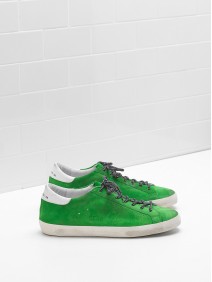
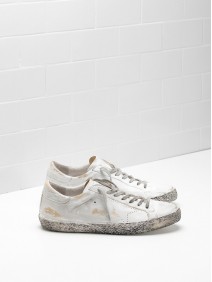
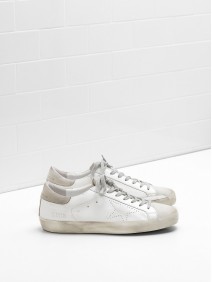
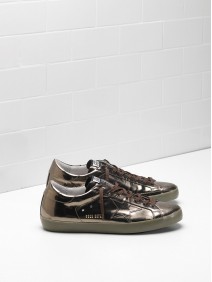
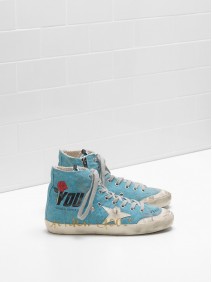
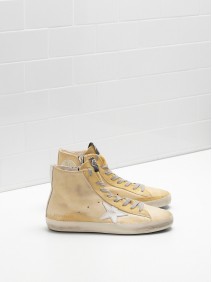
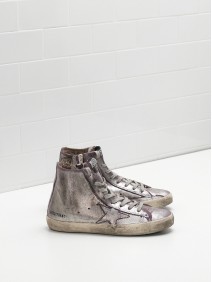
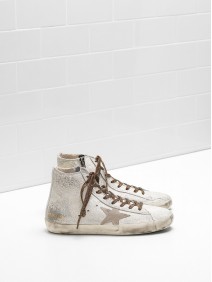
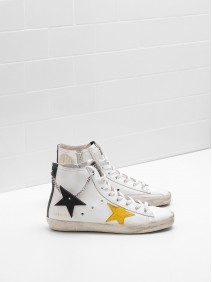
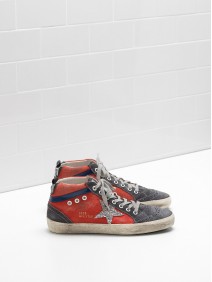
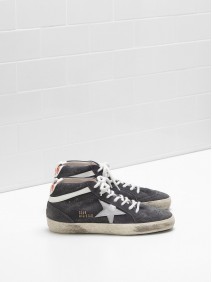
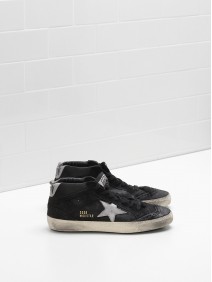
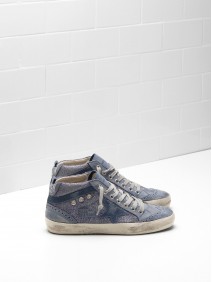
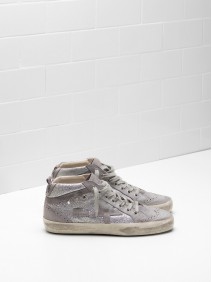
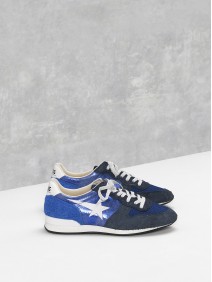
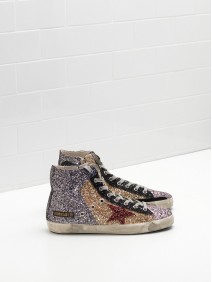
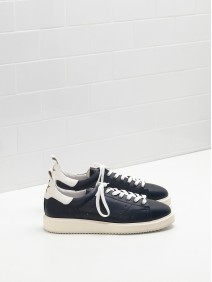
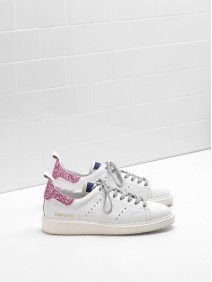
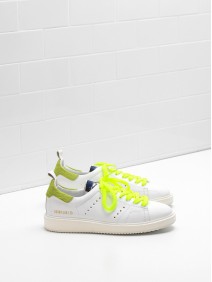
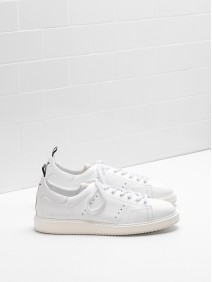
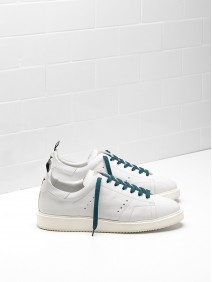
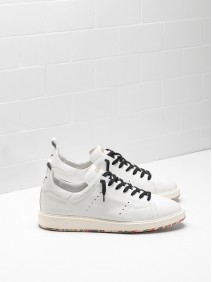
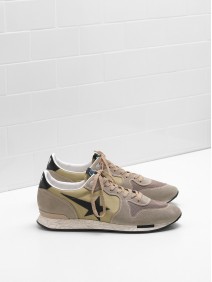
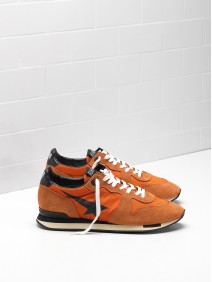
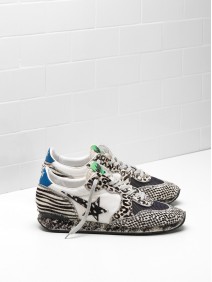
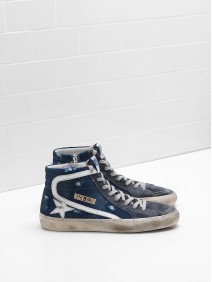
The main styles, including Superstar, Francy, Mid Star, Haus Halley, Starter, Running and Slide, do not all use identical details. A Running sneaker may include technical fabric and a sportier sole, while a Superstar commonly combines leather, suede, a star panel and a rubber outsole. Compare the pair with photographs of the same model rather than relying on a generic image.
A low price alone does not prove a sneaker is fake. Outlet stock, past-season colours and promotional pricing can be legitimate. Still, an offer that is dramatically below the usual market range deserves extra checks, especially when the seller uses copied product photography, vague contact details or pressure to pay by an irreversible method.
| Detail to check | Signs of a genuine pair | Warning signs |
|---|---|---|
| Materials | Consistent leather, suede, glitter or technical fabric with neat finishing | Plastic-like surfaces, uneven coatings or strong chemical odour |
| Logo and lettering | Crisp, balanced branding with correct spacing | Blurred print, incorrect font or crooked placement |
| Star and heel tab | Well-shaped star and firmly attached heel detail | Thin star, loose stitching or mismatched colours |
| Sole and construction | Clean bonding, even tread and secure stitching | Excess glue, warped rubber or gaps between layers |
| Packaging and seller | Clear product information, traceable shipping and workable returns | Stock photos only, no business details or rushed payment requests |
Authenticity begins before the box arrives. Review the store’s business name, contact email, returns policy, shipping terms and payment options. A credible listing should identify the model, available sizes, materials and colourway instead of using broad wording such as “luxury sneakers” for every product.
Look at the photographs closely. Multiple angles, close-ups of the heel, outsole, tongue and insole are more useful than one heavily edited lifestyle image. If every size appears permanently available or the same photograph is used for several colourways, treat that as a warning. Search the image online if the product picture seems unusually familiar.
Price comparisons help establish context, but they should account for the model and its condition. Shoppers can browse the affordable Golden Goose pairs available through a specialist store, then compare the listed materials, colour and silhouette with other retailers. For Australia, convert the full checkout total into AUD rather than comparing only the headline price.
Be cautious with sellers who claim to be “official” without providing a verifiable business identity. A .com.au address is not automatic proof of legitimacy, and an overseas store can still be genuine. What matters is consistent information, secure checkout, transparent delivery estimates and a returns process that makes sense for an Australian customer.
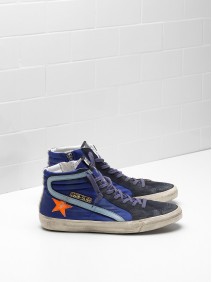
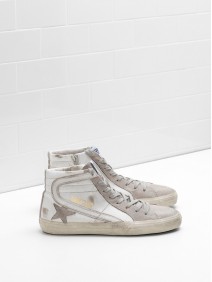
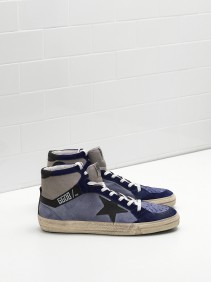
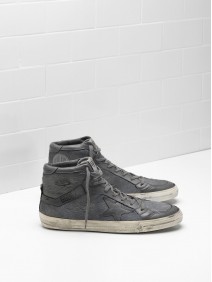
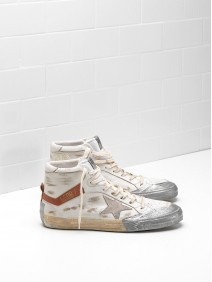
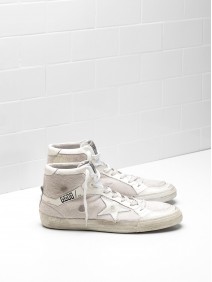
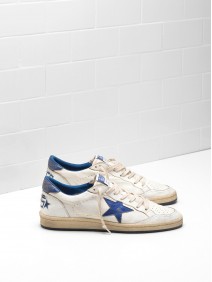
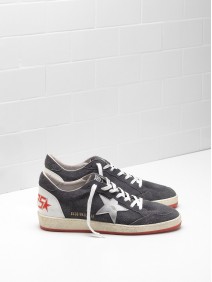
On many Golden Goose sneakers, the star is a prominent design feature. It should have a balanced outline and sit naturally against the side panel. The stitching or bonding around it should look controlled rather than rough. A fake pair may use a star that is too narrow, too thick or placed slightly too high.
The heel tab is another useful comparison point. Check its shape, colour, lettering and attachment to the upper. Branding should generally be sharp and proportionate, although the exact finish varies between releases. Misspelled words, inconsistent capitalisation, fuzzy edges and logos that do not match the model’s reference images are strong red flags.
Inspect the tongue label, insole print and any interior branding as a group. Counterfeit makers sometimes reproduce the outer logo reasonably well but use incorrect fonts or spacing inside. Compare several photos of the same model, since Golden Goose has released variations across seasons and manufacturing batches.
Distressing should look intentional rather than random. Scuffs may be placed around the toe, sides or heel, but fake distressing often appears as flat printed marks, harsh black streaks or identical damage on both shoes. Genuine hand-finished effects can vary slightly between pairs; that variation alone does not indicate a counterfeit.
Run your eyes over the upper for consistency. Leather should have a convincing grain and flexible feel, suede should show a natural nap, and glitter panels should be securely finished rather than shedding heavily. Technical fabric on sportier styles should look tightly woven. A strong solvent smell, stiff plastic feel or visibly thin material should prompt further investigation.
Stitching is especially revealing around the star, eyestay, heel and side seams. Genuine construction should be tidy, with fairly even stitch length and no long loose threads. Small handmade variations are possible, but crooked panels, skipped stitches and excess adhesive across visible areas suggest poor manufacturing.
Turn the sneakers over and inspect the rubber sole. The tread should be cleanly moulded and aligned with the upper. Check for rough flashing, misshapen edges and areas where the sole seems separated. On a pair advertised as new, heavy wear on the outsole should be explained clearly; on a pre-owned pair, ask for dated photographs that show the condition honestly.
Weight can offer a clue, though it is not a standalone test. A counterfeit may feel unusually light because of cheaper foam, thin leather or a hollow-looking sole. Compare the suspected pair with the stated materials and construction of the same model, not with a different Golden Goose style.
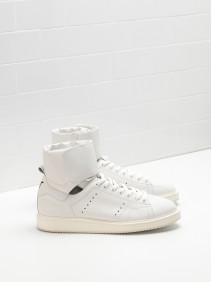
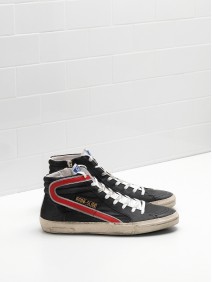
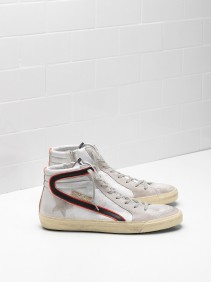
Golden Goose silhouettes have distinct proportions. Superstar sneakers usually have a low, casual shape, while Francy is a high-top design with a taller collar. Mid Star pairs combine a mid-cut profile with a prominent side star, and Running styles tend to look more technical and layered. Slides are built differently again, so a generic authentication guide cannot cover every feature.
Read the product description for internal consistency. If a listing calls a style suede but the close-up shows smooth synthetic material, or describes a rubber sole that does not match the images, pause before ordering. Colour names, fastening details and material combinations should agree across the title, specifications and photographs.
Sizing is another practical check for Australian buyers. Golden Goose sizing can differ from standard Australian expectations, and distressed finishes can make visual comparisons tricky. Use the seller’s size guide, compare measurements with a pair you already own and retain screenshots of the listing. Those records are useful if the delivered product differs from the description.
A legitimate discount page should still provide specific information. The Golden Goose collection can be reviewed by model, finish and material, giving shoppers a clearer basis for comparing a discounted listing with the pair they intend to purchase. Avoid relying on a product title alone when several versions share a similar name.
When the parcel arrives, photograph the unopened package and inspect the shoes before wearing them outdoors. Check the box, tissue, labels, insoles, soles and both shoes side by side. Packaging can be copied, so it should support other evidence rather than replace it. A genuine-looking box does not make an incorrectly constructed sneaker authentic.
Compare the delivered pair with the saved listing. Look for changes in colour, missing accessories, different materials or a substituted model. On a discounted outlet purchase, minor packaging wear may be reasonable, but unexplained damage, an incorrect size or a different colourway should be reported promptly.
Australian consumer protections may apply differently depending on whether the seller is based in Australia or overseas. Keep the invoice, payment record, correspondence and tracking information. If the seller refuses to resolve a clear mismatch, contact your card provider or payment service quickly and ask about its dispute process. Do not send the shoes back without written return instructions and a traceable service.
If you remain uncertain, obtain an independent opinion from a reputable sneaker authenticator before removing tags or altering the shoes. Do not treat one small irregularity as proof of fraud, since genuine pairs can have hand-finished differences. A pattern of incorrect branding, poor materials, inconsistent model details and an evasive seller is far more significant.
Take a careful approach before committing your money: compare the exact silhouette, inspect the construction, calculate the complete AUD cost and save every purchase record. These steps make it easier to recognise a convincing genuine pair and avoid a costly counterfeit.