-
Your shopping cart is empty!

MENU
Your shopping cart is empty!
 New
-62%
 -63%
 -59%
 -63%
 -61%
 -61%
 -60%
 -62%
 -62%
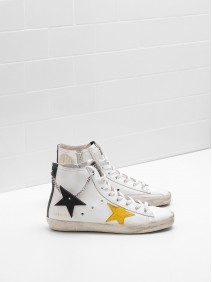 -60%
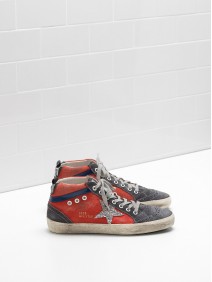 -63%
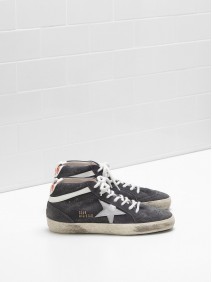 -59%
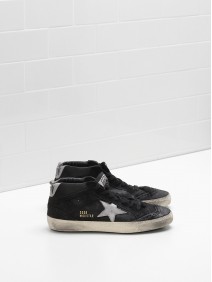 -59%
 -64%
 -59%
 -64%
 -64%
 -61%
 -64%
 -62%
 -61%
 -62%
 -64%
 -62%
 -62%
 -64%
 -62%
 -62%
 -62%
 -61%
 -61%
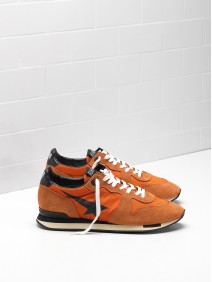 -62%
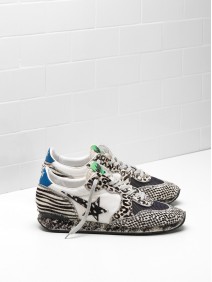 -59%
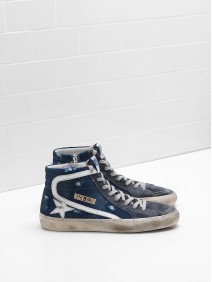 -61%
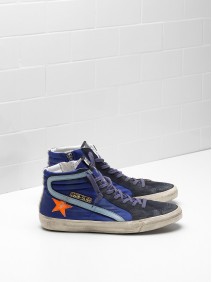 -62%
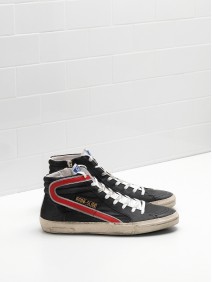 -64%
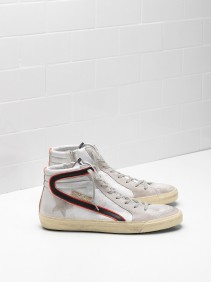 -61%
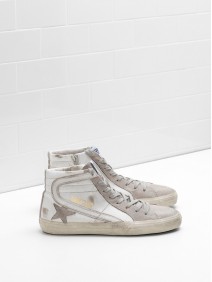 -62%
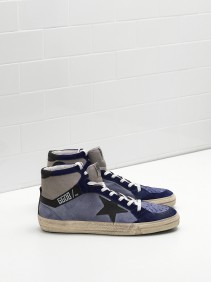 -62%
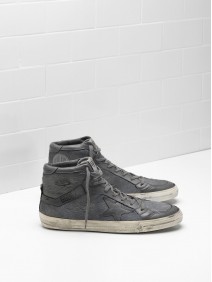 -61%
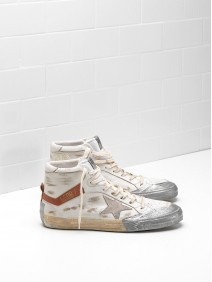 -59%
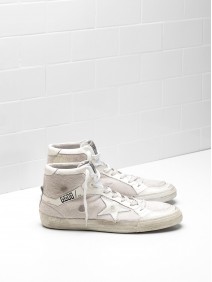 -64%
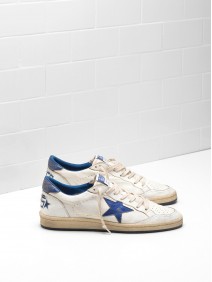 -62%
 -61%
Golden Goose sneakers are designed to look relaxed and distinctive, but their worn-in finish still needs thoughtful care. Leather, suede, glitter, technical fabric, rubber soles, and decorative details can all react differently to moisture, heat, pressure, and cleaning products.
Good storage begins before the shoes go into a wardrobe. Removing dirt, allowing sweat to evaporate, and supporting the upper will help preserve the shape and finish of Superstar, Francy, Mid Star, Haus Halley, Starter, Running, and Slide styles.
A simple routine also makes it easier to keep pairs ready for regular wear. The right storage method protects materials between outings, reduces unwanted creasing, and helps prevent unpleasant odours from developing.
After wearing your sneakers, remove loose dust with a soft brush or dry microfiber cloth. Pay attention to the welt, tongue, lace area, and the grooves in the rubber sole, where grit can remain and cause abrasion during storage. Do not put shoes away immediately after walking through rain or wearing them for a long day.
Let each pair air-dry at room temperature for several hours. Keep them away from radiators, heated floors, hairdryers, and direct sunlight, since intense heat can harden leather, distort rubber, fade colour, or loosen adhesive. If the shoes are damp, remove the insoles where possible and give the interior additional ventilation.
Avoid sealing moisture inside a plastic bag. A breathable cotton dust bag is safer, while the original box can provide protection from dust and accidental knocks. Make sure the sneakers are fully dry before closing the box.
The best place for designer sneakers is cool, dry, shaded, and well ventilated. A bedroom wardrobe or interior cupboard usually works better than a bathroom, basement, conservatory, or garage, where humidity and temperature can fluctuate. Excess moisture encourages mildew, while very dry heat may affect leather and glue.
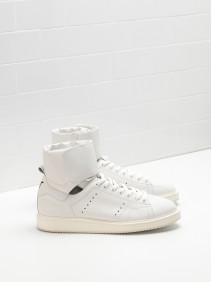
Leave space around every pair instead of compressing several boxes together. Heavy items should never sit on top of sneaker boxes, because prolonged pressure can flatten padded collars, crease the toe box, and deform high-top silhouettes such as Francy or Mid Star models.
Store pairs with their soles facing down on a clean, level surface. If you use open shelving, keep sneakers away from windows and cover rarely worn pairs with dust bags. Clear plastic containers can be convenient, but they should include ventilation and should not trap damp air.
Sneakers often develop permanent creases when stored without support. Use unbleached tissue paper, acid-free paper, or a purpose-made shoe tree to gently fill the toe box. The support should maintain the shape without stretching the leather or forcing the sides outward.
Do not use crumpled newspaper, as ink can transfer onto pale leather, suede, or fabric. Avoid overstuffing the shoe as well. A firm, natural shape is the goal; excessive pressure may leave bulges or stress seams.
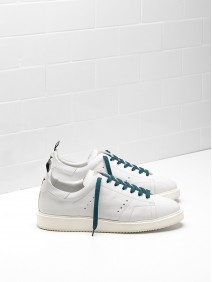
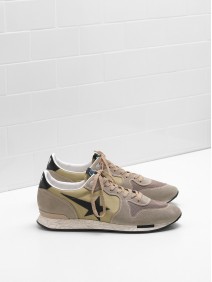
High-top pairs benefit from light support through the ankle area, while low-top Running or Starter styles usually need only toe filling. Fasten laces loosely and keep straps, tongues, and collars in their natural position rather than folding them sharply into the shoe.
| Sneaker material or detail | Suitable storage method | Avoid |
|---|---|---|
| Smooth leather | Breathable dust bag, gentle tissue support, cool cupboard | Direct heat, damp boxes, heavy stacking |
| Suede | Dry brushing before storage, individual bag, low-humidity space | Water, plastic wrapping, oily conditioners |
| Glitter or metallic finish | Soft tissue around the upper, minimal handling, separate box | Rubbing against other shoes, adhesive tape |
| Technical fabric | Complete air-drying, light paper support, ventilated storage | Sealing in moisture, harsh detergents |
| Rubber sole | Clean and dry base, level shelf, moderate temperature | Prolonged heat, uneven pressure, wet floors |
Different materials require different maintenance before storage. Smooth leather can be wiped with a slightly damp cloth and treated occasionally with a compatible leather conditioner. Always test any product on a hidden area first, and use a small amount so the finish does not become greasy or darkened.
Suede should be treated more cautiously. Use a dedicated suede brush to lift the nap and remove dry marks, brushing in one direction with light pressure. Water-repellent sprays can help when approved for the specific material, but they should be patch-tested and applied in a ventilated area well before the sneakers are stored.
Glitter, metallic panels, printed details, and distressed finishes should not be polished aggressively. Wrap delicate sections loosely in acid-free tissue if they might rub against another shoe. Keep pairs with embellishments in separate compartments, since glitter and metallic surfaces can scratch softer leather or transfer colour.
Technical fabrics need to be completely dry before being placed in a box. If a pair has absorbed odour, allow it to air naturally rather than masking it with perfume. Fragrance and alcohol-based sprays may stain fabric, weaken finishes, or leave residue on insoles.
Regular rotation gives the interior of each sneaker time to dry and recover. If you wear the same pair every day, moisture and pressure accumulate faster, especially around the heel lining and insole. Alternating between two or more pairs can help reduce odour, creasing, and premature wear.
When travelling, place each sneaker in its own dust bag or soft cloth pouch. Put the shoes heel-to-toe only when the uppers are protected, and fill the toes with tissue so luggage pressure does not collapse them. Keep footwear away from toiletries, wet swimwear, and sharp accessories.
For online orders or replacement pairs, storage planning is useful as soon as the package arrives. Check the shoes for dampness after delivery and let them acclimatise indoors before putting them into long-term storage. Shoppers arranging UK delivery can review the shipping eligibility details before ordering another style for their rotation.
A quick inspection can prevent a minor issue from becoming permanent. Check the outsole for stones, examine the stitching, look at the heel tabs, and inspect the edges of leather panels for scuffs or lifting. Cleaning a mark soon after it appears is usually safer than trying to remove an old stain months later.
Untie tight laces and release pressure from the collar before storage. If the insoles are removable, inspect them for dampness and let them dry separately. Do not store a pair with wet socks, paper packaging, or cleaning cloths inside, since these can transfer moisture and colour.
Every few weeks, open boxes containing rarely worn sneakers and allow them to ventilate briefly. This is especially helpful in humid weather. Replace tissue paper if it feels damp, and move the pair to a drier location if you notice a musty smell, spotting, or changes in texture.
A few minutes of care after each wear can preserve the character of Golden Goose sneakers while limiting avoidable damage. Clean surfaces, breathable storage, gentle shape support, and material-specific treatment are enough for most everyday storage needs.
Keep your favourite pairs protected between outings, then browse discounted women’s and men’s Golden Goose styles when you are ready to expand your rotation. Store each new Superstar, Francy, Mid Star, Haus Halley, Starter, Running, or Slide pair properly from the first day so its materials and distinctive finish remain ready for many more wears.