-
Your shopping cart is empty!

MENU
Your shopping cart is empty!
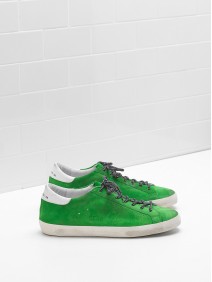 New
-62%
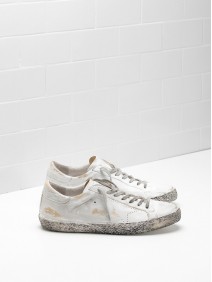 -63%
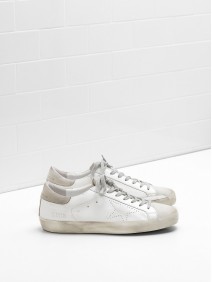 -59%
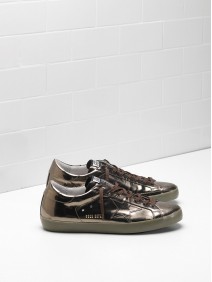 -63%
 -61%
 -61%
 -60%
 -62%
 -62%
 -60%
 -63%
 -59%
 -59%
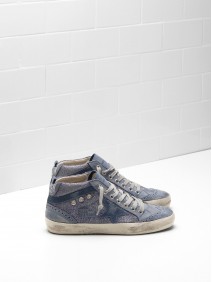 -64%
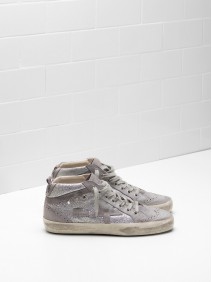 -59%
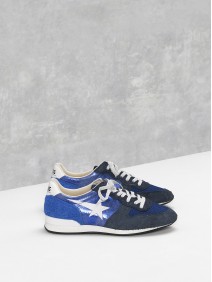 -64%
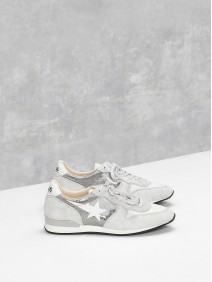 -64%
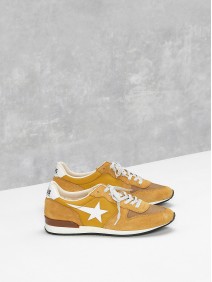 -61%
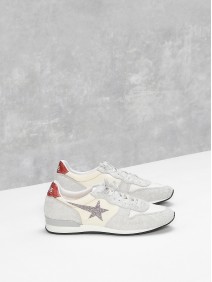 -64%
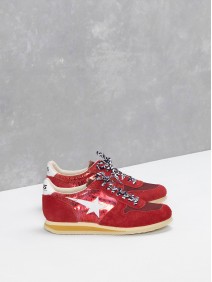 -62%
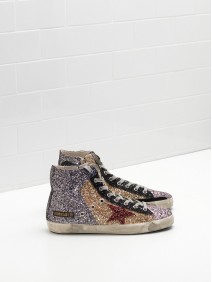 -61%
 -62%
 -64%
 -62%
 -62%
 -64%
 -62%
 -62%
 -62%
 -61%
 -61%
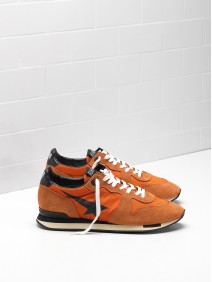 -62%
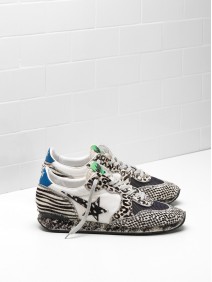 -59%
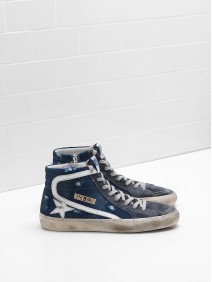 -61%
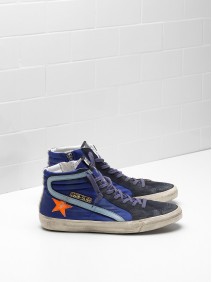 -62%
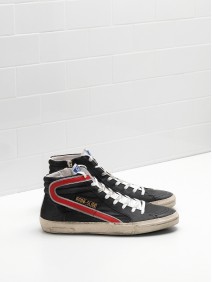 -64%
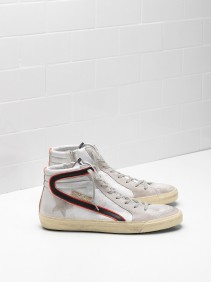 -61%
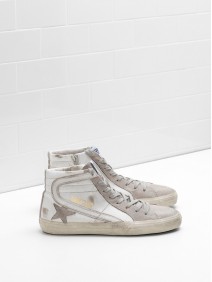 -62%
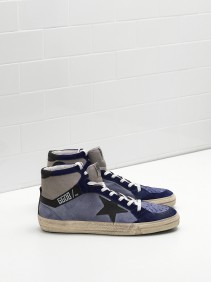 -62%
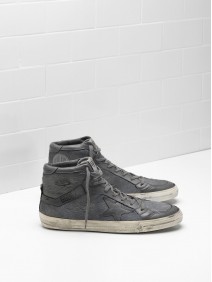 -61%
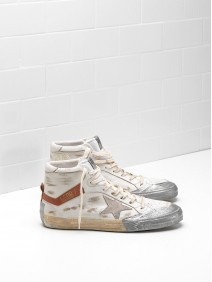 -59%
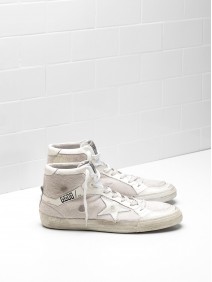 -64%
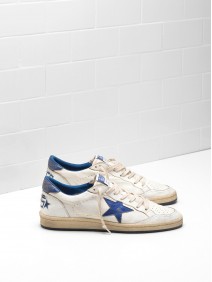 -62%
 -61%
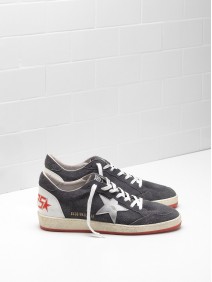
Golden Goose sneakers are known for their lived-in finish, distinctive star details and mix of materials. That characterful look makes them easy to wear with denim, workwear or weekend outfits, yet rain can quickly affect leather, suede, glitter panels and fabric sections.
Waterproofing does not turn lifestyle sneakers into hiking boots. It creates a protective barrier that gives you more time to move through a shower, damp pavement or a wet commute before moisture reaches the upper. The right method also helps reduce water marks, staining and unpleasant odours.
For Australian owners, weather can change quickly. A clear morning in Melbourne may become wet by lunch, Sydney showers can arrive with little warning, and Brisbane humidity can slow drying. Preparation is especially useful when sneakers are part of an everyday wardrobe rather than occasional footwear.
The safest approach is to identify the materials first, clean the pair gently, use a compatible protector and allow plenty of drying time. Regular care is more effective than applying one heavy coat after the shoes have already been soaked.
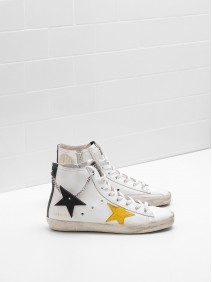
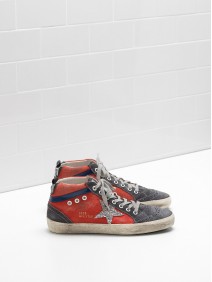
Golden Goose styles can combine smooth leather, suede, glitter, technical fabric and rubber soles. A Superstar pair may have a relatively simple leather upper, while Francy, Mid Star or Slide designs can include suede panels and decorative finishes that react differently to liquids and cleaning products.
Read the product description or inspect each panel under good light. Suede has a soft, raised nap; smooth leather feels more even; glitter and metallic sections have a surface coating; technical fabric is woven or mesh-like. If a shoe includes several materials, choose a protector labelled for mixed uppers rather than assuming one formula suits everything.
Pay attention to existing distressing, painted marks and deliberately faded areas. A strong solvent or coloured polish can alter the intended finish. Before treating the full pair, apply a small amount of protector to an inconspicuous area, such as behind the tongue or near the heel.
Start with dry shoes. Remove the laces and take out the insoles if they are removable. Brush away loose grit with a soft shoe brush, because sand and dust can become trapped beneath a protective coating and leave dull patches.
For smooth leather, use a slightly damp cloth and a small amount of neutral sneaker cleaner. Suede should be treated with a suede brush and, where necessary, a dedicated suede cleaning product. Avoid soaking the upper, scrubbing aggressively or using household detergent, as excess water may spread marks through the material.
Clean the rubber foxing and outsole separately with a soft brush. Let the sneakers dry naturally in a ventilated room before applying anything. Avoid radiators, hairdryers and direct Australian sun, including a hot balcony in Perth or Adelaide, because rapid heat can dry leather unevenly and weaken adhesives.
A water-repellent spray designed for footwear is usually the easiest option. Look for wording such as suitable for leather, suede, nubuck, canvas and textile, while checking that glitter, metallic finishes and coated surfaces are included if your pair uses them. Creams and waxes can work well on plain leather but may darken suede or change the sheen of decorative panels.
The following guide helps match the treatment to the upper:
| Sneaker material | Suitable protection | Application note |
|---|---|---|
| Smooth leather | Leather water-repellent spray or light conditioner | Use thin coats and buff only after drying |
| Suede or nubuck | Suede-specific waterproofing spray | Hold the nap upright and avoid creams |
| Glitter or metallic panels | Protector approved for coated finishes | Test first; spray lightly from a distance |
| Technical fabric or mesh | Fabric and textile repellent | Use several fine passes rather than saturation |
| Rubber sole and foxing | Usually no spray required | Wipe clean and keep product off the tread |
Work outdoors or in a well-ventilated area, but avoid windy conditions that can blow spray unevenly. Hold the can roughly 20–30 centimetres from the shoe and apply a fine, even mist. Keep the nozzle moving so one section does not become wet or glossy.
Allow the first coat to dry according to the product instructions, then add a second light coat if recommended. The sneakers should feel dry rather than tacky before you wear them. If the finish looks patchy, do not add more immediately; let it cure fully and reassess in natural light.
Laces can absorb rain and transfer dirt to the upper, so wash them separately or replace them with clean cotton or waxed laces. Do not spray heavily around eyelets, painted logos or stitched decorative details. A small soft brush can remove residue after the protector has dried.
The rubber sole is already naturally more resistant to water than leather or suede, but the joins around the upper can still let moisture in. Keep spray away from the tread because residue may make the sole slippery. Clean the outsole with mild soapy water and dry it upside down on a towel.
For pairs with glitter stars, metallic accents or distressed leather, restraint matters. The aim is to repel droplets without flattening the texture or making the finish look artificially shiny. This is particularly important for collectible or limited-release pairs; comparing Superstar editions can help you recognise which decorative elements deserve extra caution.
Even well-treated sneakers should not be worn through deep puddles or prolonged storms. If rain begins during a commute in Sydney or a walk near Melbourne’s tram stops, move indoors when possible and wipe off surface water with a clean cloth. Blot rather than rub, especially on suede and textured leather.
Stuff damp sneakers loosely with plain, unprinted paper to help them hold their shape and draw out moisture. Replace the paper when it becomes wet, then leave the shoes in an airy room for 24 hours or longer. Do not place them in a clothes dryer or beside a heater during a cold Canberra evening.
Humidity creates a separate concern in Brisbane, Darwin and coastal areas of Queensland. Once the sneakers are dry, store them in a breathable fabric bag rather than an airtight plastic box. A small amount of shoe deodoriser can help, but avoid powders that collect in seams or leave pale marks on dark uppers.
Reapply water repellent when droplets stop beading on the surface or after several wet-weather outings. Frequent daily wear, dusty paths and repeated cleaning can reduce the coating faster than occasional use. A light seasonal treatment before the wetter months is generally preferable to repeated heavy applications.
Australian shoppers can also reduce rain damage by rotating pairs. Letting one pair rest between wears gives the lining time to dry fully and limits odour. In the UK-oriented online outlet market, discounted Golden Goose styles may make it practical to keep a second pair for unpredictable weather while reserving a favourite Superstar, Haus Halley or Running design for drier days.
Choose a protector suited to the actual materials, test it discreetly and apply several fine coats rather than one saturated layer. With gentle cleaning, careful drying and sensible storage, your Golden Goose sneakers can handle everyday showers while retaining their distinctive finish. Browse suitable styles and prepare your next pair for Australian weather before the next wet commute.