-
Your shopping cart is empty!

MENU
Your shopping cart is empty!
 New
-62%
 -63%
 -59%
 -63%
 -61%
 -61%
 -60%
 -62%
 -62%
 -60%
 -63%
 -59%
 -59%
 -64%
 -59%
 -64%
 -64%
 -61%
 -64%
 -62%
 -61%
 -62%
 -64%
 -62%
 -62%
 -64%
 -62%
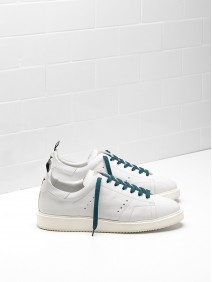 -62%
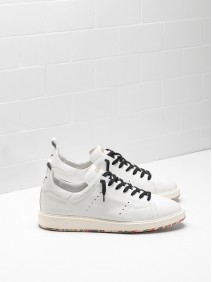 -62%
 -61%
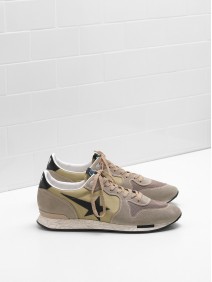 -61%
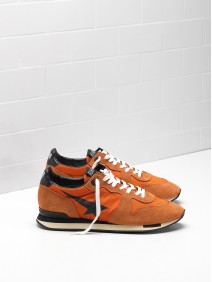 -62%
 -59%
 -61%
 -62%
 -64%
 -61%
 -62%
 -62%
 -61%
 -59%
 -64%
 -62%
 -61%
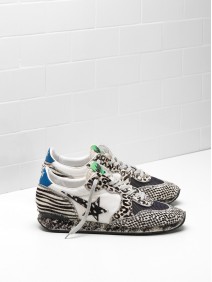
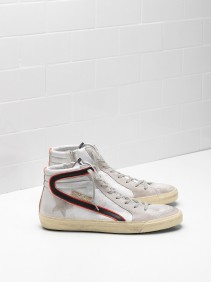
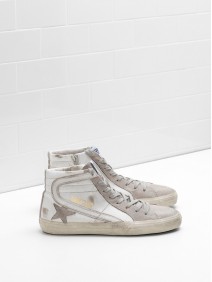
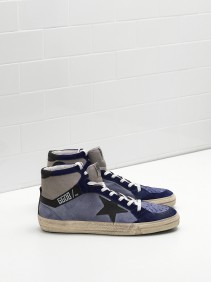
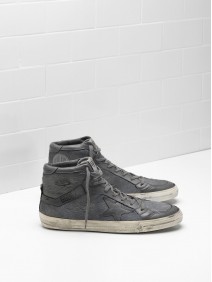
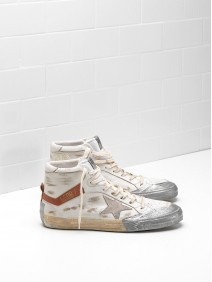
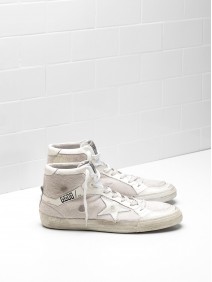
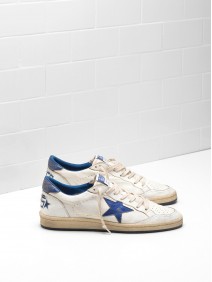
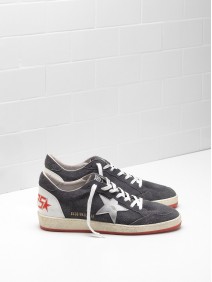
Golden Goose sneakers are designed to look distinctive, with deliberately worn finishes, contrasting panels, metallic details, and hand-finished effects. That means a small mark does not always ruin the appearance. Still, deeper scuffs, dark streaks, and scratches on smooth leather can become more noticeable over time without careful treatment.
The safest approach is to identify the leather finish first, remove surface dirt, and then use the mildest possible product. Leather, suede, glitter, and technical fabric require different care methods, so treating every section of a sneaker in the same way can create discoloration or texture damage.
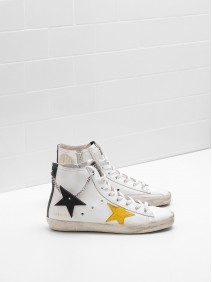
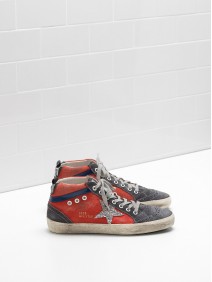
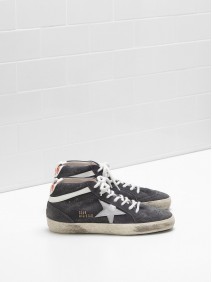
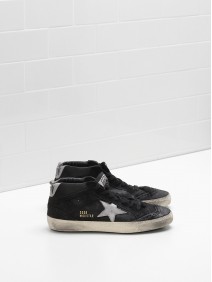
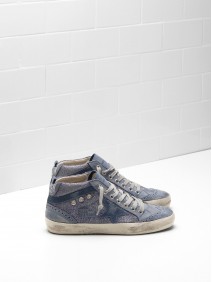
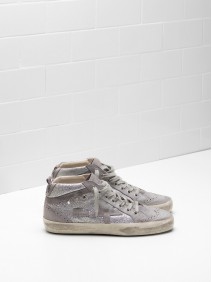
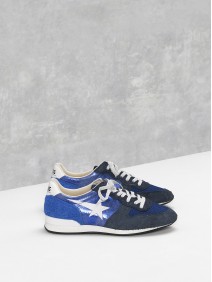
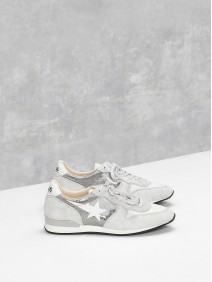
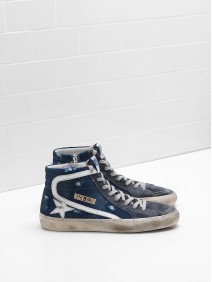
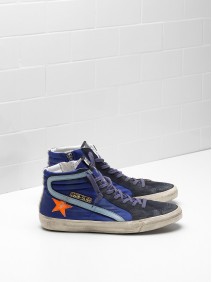
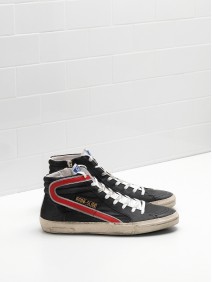
A patient cleaning routine also helps preserve the original shape and character of Superstar, Francy, Mid Star, Haus Halley, Starter, Running, and Slide styles. The goal is to soften the appearance of a scratch while keeping the sneaker’s finish intact.
A superficial scratch may only affect dust, transfer marks, or the protective coating on the leather. These marks often respond well to gentle wiping and conditioning. A deeper cut, however, may expose a lighter layer beneath the surface or leave a raised edge that cleaning alone cannot repair.
Run a clean fingertip lightly over the area. If the mark feels smooth, it is probably a surface scuff. If you can feel a groove, loose fiber, or lifted leather, avoid aggressive rubbing. Friction can enlarge the damaged area and make the edges more visible.
The finish matters as well. Smooth leather can usually tolerate a small amount of leather cleaner or cream, while suede should be handled with a dry brush. Glitter panels, painted details, rubber soles, and technical fabric should be protected from oily products that may leave permanent stains.
Before working on the sneaker, remove the laces and place clean paper inside the shoe. This helps maintain its shape while you clean. Use a soft cotton cloth, a soft-bristled brush, cotton buds, lukewarm water, and a small amount of neutral leather cleaner.
Avoid household detergents, alcohol, acetone, bleach, and abrasive sponges. These products can strip color, dry out leather, or remove the finish around a scratch. Melamine cleaning pads are particularly risky because their abrasive texture may create a dull patch.
Test every product on a hidden section first, such as the inside edge of the tongue or a concealed area near the heel. Wait until the test spot has dried before continuing. A product that appears harmless when wet can change the color or sheen of leather after evaporation.
Begin by brushing away loose dust from the upper, seams, and sole edge. For smooth leather, dampen a cloth very lightly rather than soaking it. Wipe around the scratch first, then move across it with gentle strokes. Cleaning the surrounding area prevents a dark border from forming when you apply conditioner later.
If a mark remains, place a small amount of leather cleaner on the cloth, never directly on the sneaker. Work in small sections and use minimal pressure. Several light passes are safer than one forceful attempt. Allow the leather to air-dry naturally away from radiators, hairdryers, and direct sunlight.
For rubber midsoles, a separate damp cloth can remove ordinary grime. Keep the cloth away from suede, glitter, and decorative painted areas. When the upper is fully dry, inspect the scratch again. Some marks disappear once surface dirt and transferred color have been removed.
A light scuff on finished leather may improve with a small amount of matching leather cream. Apply a thin layer with a cotton bud, blending outward from the center of the mark. Do not build up a thick spot, since excess cream can create a visible shiny patch.
For a shallow scratch that has slightly dulled the surface, a neutral leather conditioner may restore flexibility and reduce contrast. Use very little product and buff gently with a clean, dry cloth. Colored cream can disguise a pale scratch, but it should match the sneaker closely and be applied gradually.
| Scratch or mark | Suitable first step | Products or actions to avoid |
|---|---|---|
| Light surface scuff | Soft cloth and neutral leather cleaner | Hard scrubbing |
| Pale line on smooth leather | Small amount of matching leather cream | Thick layers of polish |
| Deep cut or split | Professional leather repair | Glue, nail polish, and heat |
| Mark on suede | Dry suede brush or suede eraser | Water and leather conditioner |
| Glitter or metallic panel | Dry microfiber cloth | Oils, creams, and solvent cleaners |
| Rubber sole transfer | Damp cloth used only on the sole | Bleach and abrasive pads |
Deep cuts should not be filled with ordinary shoe polish. Wax can sit on top of the damaged area and make the repair look uneven. Strong adhesive is also unsuitable because it can harden the leather and leave a rigid, glossy edge. If the scratch exposes the underlying material, a specialist repair service is the most reliable option.
Suede sections need a different technique from smooth leather. Once the shoe is dry, use a suede brush to lift dirt and restore the nap. Brush in one direction first, then lightly across the area if needed. A suede eraser can reduce certain dry scuffs, but test it carefully because excessive rubbing may create a bald patch.
Glitter, metallic leather, and printed panels should generally be cleaned with a dry microfiber cloth. Press rather than scrub, especially around loose decorative particles. If a small amount of moisture is necessary, apply it to the cloth and test a hidden section before touching the visible panel.
Mixed-material sneakers reward a section-by-section approach. Cover nearby suede or fabric when conditioning smooth leather, and use cotton buds around stitching and eyelets. On distinctive styles, including pairs with flag-inspired details, preserving the contrast between panels is just as important as reducing the scratch itself.
A professional cobbler or leather specialist is appropriate when the leather is torn, deeply gouged, badly discolored, or separated from the sole. They can fill and recolor damaged areas with flexible compounds designed for footwear. This is particularly useful for valuable limited finishes or sneakers with several layered materials.
Professional assistance is also sensible when the scratch crosses a painted star, metallic panel, stitched logo, or textured section. Attempting to recolor a decorative feature at home may remove the original detailing and reduce the consistency of the pair.
Do not wear the sneakers outdoors until a home treatment has dried completely. Fresh conditioner or cream can attract dust and transfer onto clothing. Give the shoes several hours in a ventilated room, then buff lightly before returning the laces.
Regular maintenance keeps dirt from working into the leather and makes future scuffs easier to remove. Store sneakers in a cool, dry place with space between pairs. Use the original box or a breathable fabric bag, and avoid sealed plastic that can trap moisture.
A simple care routine can include:
Waterproofing spray may provide extra protection, but it must be compatible with the specific material and tested first. Some sprays can darken suede, flatten its texture, or affect metallic and glitter finishes. Follow the product directions and apply it outdoors or in a well-ventilated area.
The best results come from restraint. Golden Goose sneakers often include intentional distressing, so a perfectly uniform surface is neither necessary nor always desirable. Remove grime, soften harsh scratches, and preserve the material’s texture rather than trying to make the pair look factory-new.
Give your sneakers a careful inspection, match the treatment to each material, and choose gentle maintenance before the next mark becomes difficult to manage. Explore suitable Golden Goose styles and keep your next pair looking distinctive with consistent, material-specific care.