-
Your shopping cart is empty!

MENU
Your shopping cart is empty!
 New
-62%
 -63%
 -59%
 -63%
 -61%
 -61%
 -60%
 -62%
 -62%
 -60%
 -63%
 -59%
 -59%
 -64%
 -59%
 -64%
 -64%
 -61%
 -64%
 -62%
 -61%
 -62%
 -64%
 -62%
 -62%
 -64%
 -62%
 -62%
 -62%
 -61%
 -61%
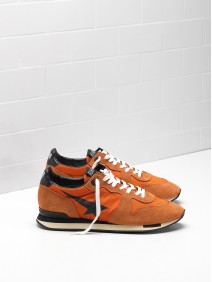 -62%
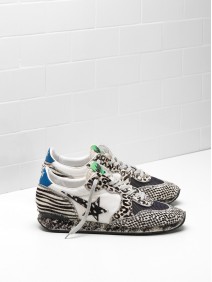 -59%
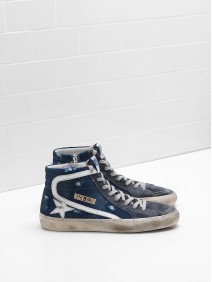 -61%
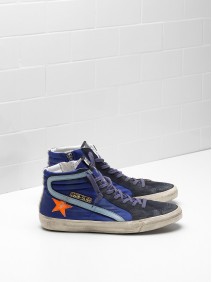 -62%
 -64%
 -61%
 -62%
 -62%
 -61%
 -59%
 -64%
 -62%
 -61%
Golden Goose sneakers combine relaxed Italian styling with distinctive finishes, from hand-finished leather and suede to glitter panels, technical fabric, and intentionally worn rubber soles. Their casual appearance can make sizing seem simple, yet the fit changes between low-top, high-top, slip-on, and performance-inspired designs.
The most reliable starting point is your usual European shoe size, then a comparison with your foot length and the product’s individual size chart. UK shoppers should pay particular attention to the difference between UK and EU measurements, since a familiar UK number does not always translate perfectly across brands.
A well-fitting pair should hold the heel securely, leave comfortable room for the toes, and avoid pressure across the widest part of the foot. The right choice also depends on socks, foot width, personal preference, and whether you plan to wear the sneakers for short outings or extended walking.
Measure both feet at the end of the day, when they are usually at their largest. Place a sheet of paper on a hard floor, stand naturally with your heel against a wall, and mark the end of your longest toe. Measure from the wall edge to the mark, then repeat for the other foot.
Use the larger measurement when selecting a size. Foot length is more useful than tracing alone because the outline can include extra space from the pen angle. If your result sits between sizes, consider the construction of the model: a structured leather sneaker may feel firmer at first, while a soft or generously shaped style may offer more flexibility.
Do not confuse foot length with the shoe’s insole length. The insole may include a rounded toe area or extra internal space that does not translate directly into wearable room. When a listing provides measurements, treat them as a helpful guide rather than an exact replacement for trying on the shoes.
Golden Goose sneakers are generally presented in European sizing, while many shoppers in the UK think first in UK sizes. The conversion below gives a practical starting point, but individual models and product charts should take priority.
| Approximate UK Size | Women’s EU Range | Men’s EU Range | Foot Length Guide |
|---|---|---|---|
| UK 3 | EU 36 | — | About 23 cm |
| UK 4 | EU 37 | — | About 24 cm |
| UK 5 | EU 38 | EU 39 | About 25 cm |
| UK 6 | EU 39–40 | EU 40 | About 25.5–26 cm |
| UK 7 | EU 41 | EU 41 | About 26.5 cm |
| UK 8 | EU 42 | EU 42 | About 27 cm |
| UK 9 | EU 43 | EU 43 | About 28 cm |
| UK 10 | — | EU 44–45 | About 28.5–29 cm |
| UK 11 | — | EU 46 | About 30 cm |
Women’s and men’s ranges can overlap, but the shape of the shoe may differ even when the numerical size is the same. A men’s version may provide more volume through the forefoot, while a women’s version may feel narrower or have a different heel proportion.
Conversions are especially useful when comparing several listings, but they should not replace the official measurements supplied for the specific pair. Check whether the product uses standard EU sizing, whether the style is unisex, and whether the seller identifies the fit as narrow, regular, or roomy.
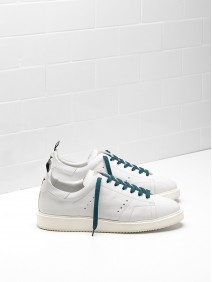
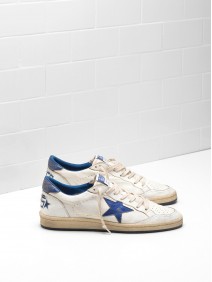
The Superstar is a popular low-top choice with a relatively familiar everyday sneaker shape. Many wearers choose their regular EU size, although people with narrow feet may notice extra space in the toe area. Secure the laces across the midfoot rather than tightening only the top eyelets.
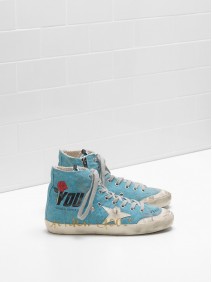
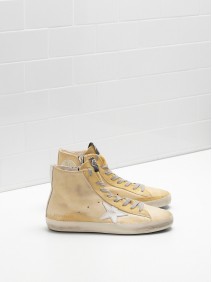
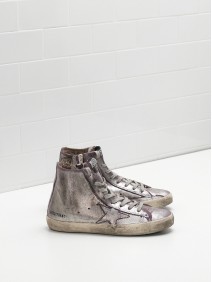
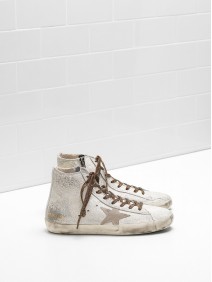
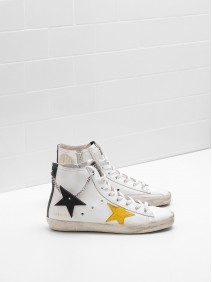
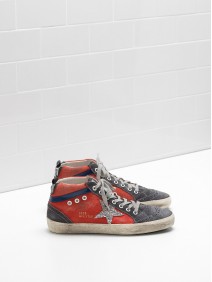
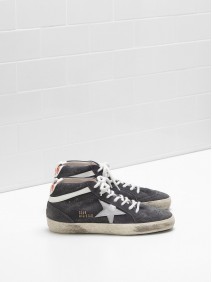
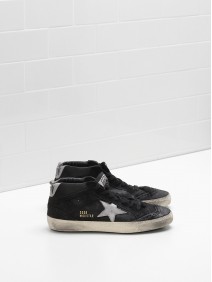
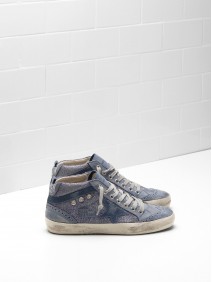
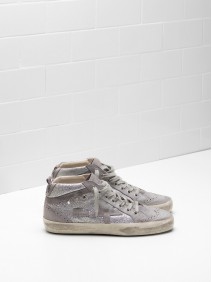
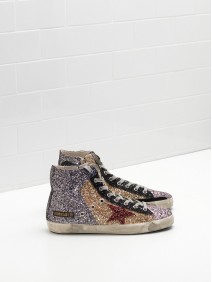
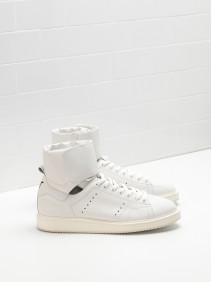
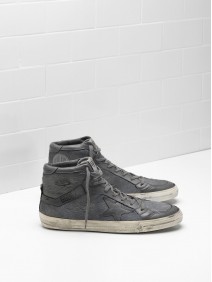
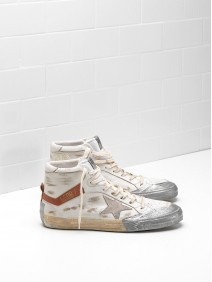
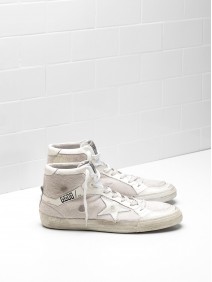
Francy and Mid Star styles rise higher around the ankle. Their additional structure can make them feel snug when new, especially with thick socks. Choose enough room for natural movement, but avoid sizing up simply to gain ankle comfort, since that may create heel lift and creasing beneath the laces.
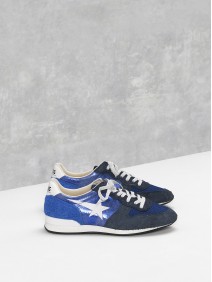
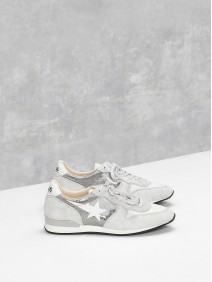
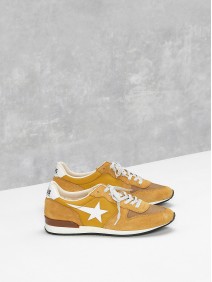
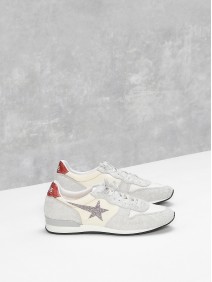
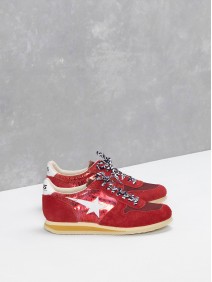
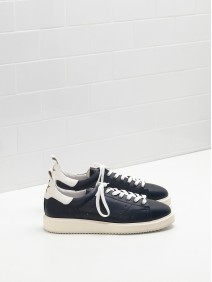
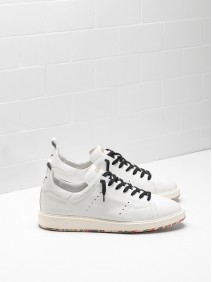
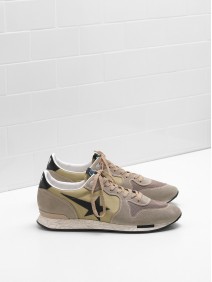
Haus Halley designs often have a fashion-led silhouette, so the internal space can feel different from a classic low-top. Starter and Running models may suit shoppers who prefer a lighter, more athletic feel, while their layered panels can create pressure points if the forefoot is too short.
Slide styles should be judged by the relationship between the foot and the upper. The toes should not hang over the front, and the heel should remain supported without spilling beyond the sole. Because slip-on designs offer less adjustment, width and overall volume matter more than they do in a lace-up sneaker.
Leather and suede uppers can soften with wear, but they should not be expected to expand substantially in length. If your toes touch the front when standing, the size is too small. A slightly firm side panel may relax, whereas insufficient toe room will remain uncomfortable.
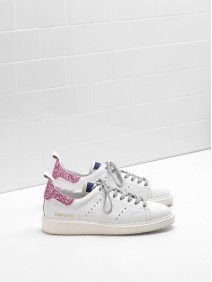
Glitter details, coated finishes, and reinforced panels may feel less flexible than smooth leather. Technical fabric can provide a softer sensation across the forefoot, but the sole shape and internal construction still determine the overall fit. Look closely at the material description instead of assuming every pair from the same brand feels identical.
Width is often the deciding factor for shoppers between sizes. A wide foot may need the larger option if the smaller pair presses at the ball of the foot, while a narrow foot may prefer the smaller size when the heel slips. Insoles can help fine-tune volume, but they cannot correct a fundamentally short or narrow shoe.
Women who have a petite frame or shorter foot may also want to consider how the sneaker’s proportions look, not just how they feel. This petite styling advice can help when comparing chunky soles, high-tops, and visually substantial designs.
For women, the main considerations are often forefoot width, heel security, and the visual scale of the sole. A bulky style can still feel comfortable if the heel is stable and the shoe bends naturally beneath the toes. Do not choose a smaller size solely to create a more streamlined appearance.
For men, foot length and overall volume may be more influential, particularly in high-top and layered styles. A broad forefoot needs room at the sides as well as at the toe. If you normally wear athletic shoes with thicker socks, replicate that setup when checking the fit.
Some Golden Goose designs can work across men’s and women’s wardrobes, but sizing should follow the shape of the actual product rather than the category on the page. Compare the listed EU size, length guidance, and construction before relying on a previous pair from another collection.
Before ordering, use the same process for every model rather than relying on assumptions about the brand. These steps reduce the most common sizing mistakes:
When trying on a lace-up pair, stand and walk for several minutes. Your toes should move freely, the widest part of the foot should sit inside the shoe’s broadest area, and the heel should not rise noticeably with each step. For high-tops, bend the ankle and confirm that the collar does not dig into the skin.
For online purchases, save the size chart and product description alongside your order details. If one foot is slightly larger, fit the larger foot and use lacing or a thin insole to refine the smaller side. Avoid adding a thick insole if the upper already presses across the instep.
Golden Goose sizing becomes easier when you combine European size conversion with actual foot measurements and the design’s construction. A Superstar, Francy, Mid Star, Haus Halley, Starter, Running, or Slide may each create a different impression on the foot, even when the printed size is identical.
Explore the available styles, compare the materials and silhouettes, and select the size that gives your feet stable support with comfortable toe room. With the right measurements and a careful fit check, discounted outlet shopping can lead to a pair that looks distinctive and feels ready for everyday wear.