-
Your shopping cart is empty!

MENU
Your shopping cart is empty!
 New
-62%
 -63%
 -59%
 -63%
 -61%
 -61%
 -60%
 -62%
 -62%
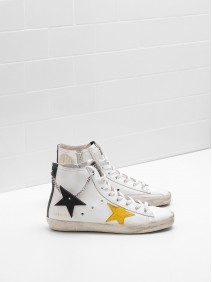 -60%
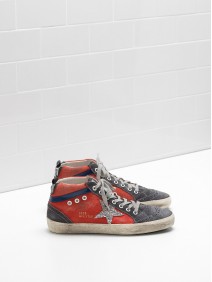 -63%
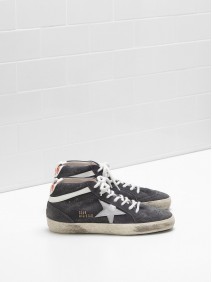 -59%
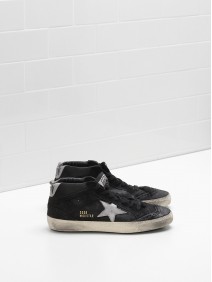 -59%
 -64%
 -59%
 -64%
 -64%
 -61%
 -64%
 -62%
 -61%
 -62%
 -64%
 -62%
 -62%
 -64%
 -62%
 -62%
 -62%
 -61%
 -61%
 -62%
 -59%
 -61%
 -62%
 -64%
 -61%
 -62%
 -62%
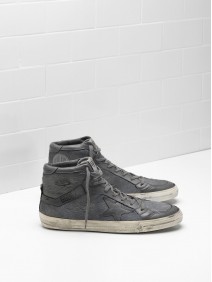 -61%
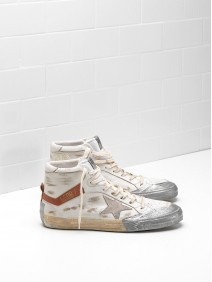 -59%
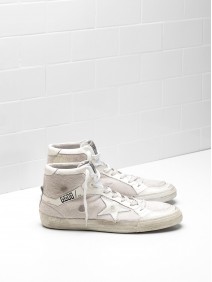 -64%
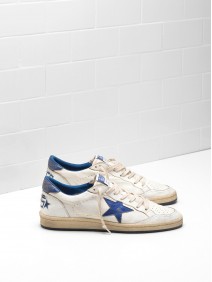 -62%
 -61%
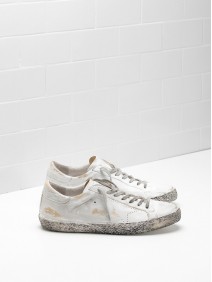
White leather Golden Goose sneakers look best when their bright panels, tonal laces, and rubber soles are kept fresh without removing the character of the design. Models such as Superstar, Mid Star, Francy, and Starter often combine smooth leather with suede, glitter, or technical fabric, so a single cleaning method is not suitable for every surface.
Yellowing usually develops when dirt, moisture, detergent residue, or heat reacts with the leather and adhesives. A careful routine keeps the material supple while reducing stains, grey marks, and discolouration. The aim is gentle maintenance rather than making the trainers look artificially new.
Before starting, check the product description and identify which parts are leather, suede, fabric, or decorative glitter. Clean a hidden section first, especially on distressed or vintage-effect styles where some marks are part of the intended finish.
White leather may yellow when it is exposed to strong sunlight, radiators, hairdryers, or damp storage. Heat can draw oils and adhesive compounds toward the surface, while moisture trapped inside the shoe can create darker edges and an uneven cream colour. Leaving soap on the upper can cause a similar problem as it dries.
Household bleach is especially risky. It may appear to brighten leather at first, but it can weaken the finish, dry out the fibres, and leave pale yellow patches. Whitening toothpaste, alcohol, acetone, and abrasive powders can also remove the protective coating rather than the stain.
Golden Goose sneakers often have a deliberately worn appearance, including hand-finished scuffs and faded areas. Avoid trying to eliminate every variation. Excessive rubbing can create a clean spot that looks different from the surrounding leather and may permanently alter the shoe’s original finish.
Remove the laces and brush away loose dust with a soft horsehair brush or a clean, dry microfibre cloth. Take out removable insoles if they are damp or odorous, but do not soak the shoe itself. Stuffing the toe with white tissue paper helps it retain its shape while you work.
Use lukewarm, preferably distilled, water. Hard tap water can leave mineral deposits that appear as pale rings after drying. You will also need a pH-neutral leather cleaner, a small soft brush, several white cloths, and a leather conditioner designed for pale or white footwear.
Avoid coloured cloths because dye can transfer to the leather. Keep separate tools for suede and smooth leather. A soft suede brush is safer for nap, while a damp microfibre cloth is better for finished leather panels and rubber edging.
Work in small sections instead of wetting the entire upper. Apply a small amount of cleaner to the cloth, never directly to the shoe, and gently lift dirt with short circular movements. The cloth should be damp rather than saturated. Frequent rinsing with clean water prevents lifted grime from spreading across the white surface.
For marks near stitching, use a soft toothbrush with minimal moisture. Do not force water into the tongue, eyelets, or seams. If a stain does not respond after two gentle passes, stop and allow the shoe to dry before deciding whether it needs professional treatment. Repeated scrubbing is more likely to damage the finish than remove a deep mark.
Treat the midsole separately with a diluted mild soap and a soft brush. Keep the solution away from leather and suede. Wipe the rubber clean with a fresh damp cloth, then remove all remaining suds. On white rubber, a melamine sponge can be used very lightly, but excessive pressure may create a dull patch.
| Shoe area | Safe approach | Avoid |
|---|---|---|
| Smooth white leather | Damp microfibre cloth and pH-neutral leather cleaner | Bleach, alcohol, soaking |
| Suede panels | Dry suede brush and specialist suede product | Water rings and vigorous rubbing |
| Glitter details | Barely damp cloth around the edges | Direct cleaner and stiff brushes |
| Technical fabric | Mild diluted cleaner and gentle blotting | Hot water and twisting |
| Rubber sole | Soft brush with diluted soap | Scrubbing the leather upper |
After cleaning, blot the surface with a dry white cloth. Leave the sneakers in a well-ventilated room at normal indoor temperature, away from radiators, heated floors, windows with strong direct sun, and hairdryers. Drying slowly and evenly is one of the most effective ways to prevent yellow watermarks.
Replace damp tissue paper after the first hour if necessary. Do not use newspaper, as ink can transfer onto white leather. The shoes may need 12 to 24 hours to dry fully, depending on the room and how much moisture was used.
Once the leather feels completely dry, apply a very thin layer of suitable conditioner to smooth leather only. Test it first because some conditioners darken bright leather temporarily. Buff lightly with a clean cloth, and do not condition suede, glitter, or technical fabric unless the product specifically says it is compatible.
Leather protectant can help repel light rain and everyday grime, but it should be labelled safe for white leather and tested discreetly. Spray in a ventilated area from the recommended distance, using several light passes rather than one heavy coat. Allow the product to cure before wearing the sneakers outdoors.
Suede requires a different approach. Brush away dry dirt, treat isolated marks with a suede eraser if appropriate, and restore the nap with a dedicated brush. Glitter panels should receive minimal contact because rubbing can loosen particles. For fabric sections, blot rather than scrub, and let them dry naturally.
Keeping the pair clean between full washes reduces the need for moisture. Wipe fresh marks quickly, rotate footwear instead of wearing the same pair daily, and use a breathable shoe tree or unbleached tissue. These habits help maintain shape and support proper airflow. For longer-term care, follow this storage guidance before placing the sneakers in a wardrobe or box.
A practical care schedule depends on how frequently the sneakers are worn. White leather trainers used for commuting may need a light wipe every few wears, while a pair reserved for occasional outings may only require inspection and brushing. Full cleaning should be occasional, since repeated wet treatment can gradually dry the finish.
Keep a small footwear-care kit ready so stains are addressed before they become embedded. The following routine is suitable for most smooth white leather panels:
If yellowing has already become severe, do not apply household whitening products. A leather specialist may be able to clean and recolour the affected panel, particularly when the problem involves oxidation or adhesive beneath the finish. Professional help is also sensible for oil stains, ink, mould, deep dye transfer, or extensive water damage.
A discounted pair can still require the same careful maintenance as a full-price release. Before buying, check whether the model contains multiple materials and consider the colour of its laces, sole, and trim. A mostly smooth-leather Superstar may be simpler to maintain than a design combining suede, glitter, and technical fabric.
Outlet pricing can make it easier to choose a second pair for rotation, which gives each sneaker time to air between wears. Browse these outlet shopping tips when comparing discounted Golden Goose styles, materials, and seasonal availability.
With consistent light cleaning, proper drying, and sensible storage, white leather Golden Goose sneakers can retain their crisp appearance without losing their distinctive lived-in character. Explore the available women’s and men’s styles, choose a pair that fits your wardrobe, and start its care routine from the first wear.