-
Your shopping cart is empty!

MENU
Your shopping cart is empty!
 New
-62%
 -63%
 -59%
 -63%
 -61%
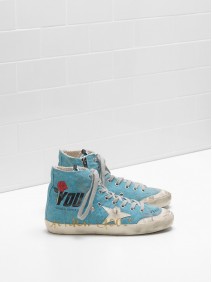 -61%
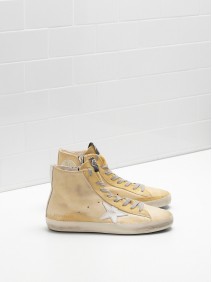 -60%
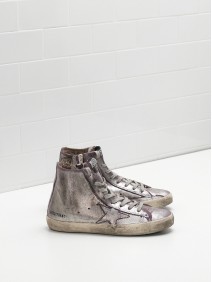 -62%
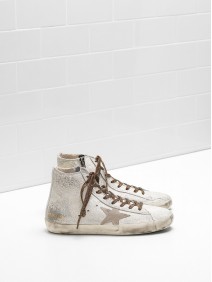 -62%
 -60%
 -63%
 -59%
 -59%
 -64%
 -59%
 -64%
 -64%
 -61%
 -64%
 -62%
 -61%
 -62%
 -64%
 -62%
 -62%
 -64%
 -62%
 -62%
 -62%
 -61%
 -61%
 -62%
 -59%
 -61%
 -62%
 -64%
 -61%
 -62%
 -62%
 -61%
 -59%
 -64%
 -62%
 -61%
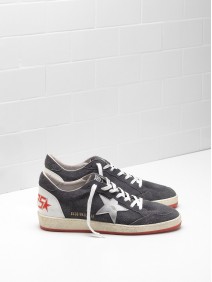
The laces on a pair of Golden Goose sneakers can change the entire impression of the shoe. A tight criss-cross pattern looks neat and sporty, while a loose arrangement creates the relaxed, worn-in character often associated with Superstar, Francy, and Mid Star styles.
Lacing also affects comfort. A flatter pattern can ease pressure across the instep, while a secure ankle wrap is useful for high-top silhouettes. Whether your sneakers feature smooth leather, suede panels, glitter details, or technical fabric, the right technique helps balance appearance with support.
Golden Goose designs already carry distinctive finishes, including intentionally aged surfaces, contrast stars, and rubber soles. A different sneaker-lacing method lets you adjust that statement for workdays, weekends, travel, or warmer-weather outfits without changing the shoes themselves.
The standard criss-cross is the most versatile option for Golden Goose sneakers. Begin by feeding the lace through the lowest eyelets from the outside, leaving equal lengths on both sides. Cross each end diagonally over the tongue and pass it through the next eyelet on the opposite side.
Continue upward, keeping the tension even. Avoid pulling too firmly, especially on leather uppers or shoes with decorative distressing, since excessive pressure can bend the eyelet panels and make the tongue sit unevenly. Finish with a regular bow or tuck the loops beneath the crossed section for a cleaner appearance.
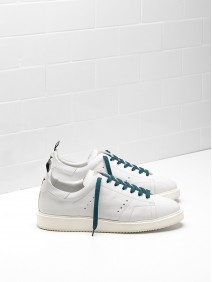
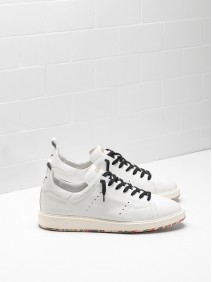
This arrangement works especially well with Superstar and Starter models. It gives enough hold for walking while preserving the casual proportions of the sneaker. For a sharper outfit, use a compact bow; for denim or relaxed tailoring, allow the loops to remain slightly longer.
A loose lace pattern creates a softer, easygoing look. Lace the shoes normally through the lower eyelets, then reduce the tension as you move toward the top. The upper sections should sit comfortably over the tongue rather than pulling it tightly against the foot.
You can leave the top eyelet unused if the shoe feels secure. Tie a small knot near the final crossed section and let the ends rest inside the sneaker, or make a relaxed bow with short loops. This approach is useful for people who prefer slip-on convenience while still keeping the laces in place.
The loose method complements distressed leather, suede, and glitter-accented pairs because it does not compete with the shoe’s surface details. It also suits casual UK styling, from straight-leg jeans and overshirts to wide trousers and lightweight knitwear.
Straight-bar lacing, sometimes called ladder lacing, replaces diagonal crosses with horizontal bands. Feed the lace through the bottom eyelets, keeping the ends equal. Take one end vertically up the inside and pass it across the next eyelet; repeat the process on the opposite side before continuing upward.
This design gives the sneaker a more orderly appearance and makes the shape of the upper easier to see. It can be particularly effective on minimal white leather styles or pairs with a restrained colour palette. Since the lace lies across the shoe in visible bars, choose a shade that either matches the upper or creates a deliberate contrast.
Before wearing a new pair this way, check that the tongue remains centred. Straight-bar lacing can feel different from a standard cross pattern, so adjust each section gradually rather than tightening from the top. The result should be secure without restricting the foot.
The options below show how each approach changes the balance between appearance, flexibility, and support:
| Lacing style | Visual effect | Comfort and support | Suitable sneaker styles |
|---|---|---|---|
| Classic criss-cross | Familiar, sporty, balanced | Reliable everyday hold | Superstar, Starter, Running |
| Loose finish | Relaxed and casual | Flexible across the instep | Superstar, Haus Halley, Slide-inspired casual looks |
| Straight bars | Clean and structured | Moderate hold with even pressure | Minimal leather or suede designs |
| Hidden-knot method | Streamlined and understated | Secure when correctly adjusted | Low-top lifestyle sneakers |
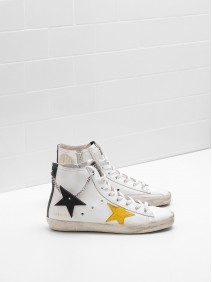
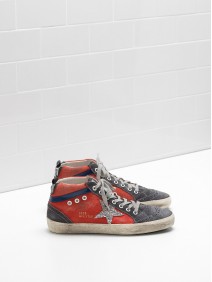
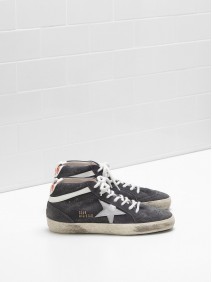
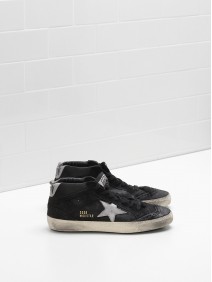
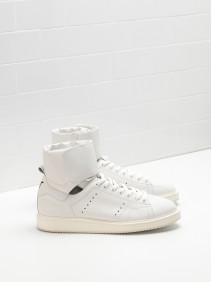
| Ankle wrap | Distinctive and utility-focused | Extra support around the ankle | Francy and Mid Star silhouettes |
A hidden-knot method keeps the front of the shoe free from a visible bow. Lace through the eyelets with a regular criss-cross pattern, then tie the ends inside the shoe near the tongue. Tuck the knot beneath the insole edge or behind the tongue, making sure it does not press against the top of your foot.
This option works best when the laces are long enough to tie comfortably inside the shoe. If the knot feels bulky, use a smaller double knot or shorten the loops by changing the tension across the lower eyelets. Never force a thick knot beneath a removable insole, as it may create an uncomfortable pressure point.
A hidden finish suits smart-casual clothing and lets metallic details, contrast stars, or textured panels take centre stage. When buying from an outlet-style listing, inspect the product photographs and specifications carefully, and compare construction details with this guide to spot authentic sneakers before making a purchase.
Francy and Mid Star sneakers can take an ankle-wrap variation when you want extra visual interest. Lace the lower eyelets using a standard cross pattern, then run each end through the highest eyelet without crossing. Leave enough length to wrap the laces once around the ankle section of the shoe, then tie them at the front or side.
The wrap should feel supportive rather than tight. You should be able to slide a finger beneath the lace around the ankle, and the tongue should stay flat while you walk. This technique is best with trousers that stop above the shoe or with a neatly cropped hem, as the additional lace detail becomes part of the outfit.
For a more subtle effect, wrap the lace around only the upper collar and knot it behind the ankle. For a bolder streetwear finish, use contrasting laces and let the ends show. Avoid this method on low-top models unless the eyelet placement provides enough room for a stable wrap.
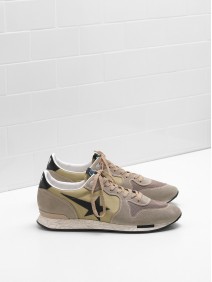
The texture of the upper should guide your choice. Smooth leather pairs well with straight bars or a neat criss-cross, while suede often looks more natural with relaxed tension. Technical fabric and Running styles can handle a practical, secure pattern, especially when used for walking or commuting.
Colour is another easy way to alter the result. White laces keep a low-profile pair fresh, cream laces echo an aged sole, and black or coloured laces create a stronger contrast. On glitter or embellished models, a simple matching lace prevents the finish from becoming visually crowded.
For summer outfits, low-top sneakers with loose lacing work well beside linen trousers, denim shorts, and lightweight dresses. If you are styling Slide sandals separately, this guide to pairing Slide sandals offers ideas for carrying the same relaxed mood into warm-weather looks.
Before settling on a technique, walk around indoors for several minutes. Watch for heel movement, pressure across the instep, or toes touching the front. A stylish pattern is useful only when the shoe remains comfortable and stable throughout the day.
Clean laces can also sharpen the overall appearance. Remove them before cleaning the upper, wash them separately according to their fibre content, and let them dry fully before relacing. Replace frayed laces with a similar length so the intended pattern does not become loose or uneven.
A few simple choices make the biggest difference:
Explore Golden Goose styles by silhouette, material, and finish, then adjust the lacing to suit the way you dress and move. With outlet pricing, UK-focused shopping, and free fast shipping available through the store, the right pair can become even more versatile with a small change to its lace pattern.