-
Your shopping cart is empty!

MENU
Your shopping cart is empty!
 New
-62%
 -63%
 -59%
 -63%
 -61%
 -61%
 -60%
 -62%
 -62%
 -60%
 -63%
 -59%
 -59%
 -64%
 -59%
 -64%
 -64%
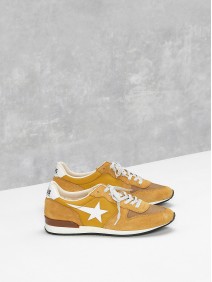 -61%
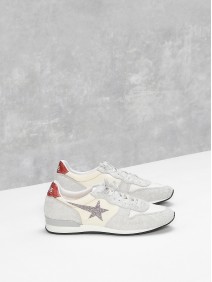 -64%
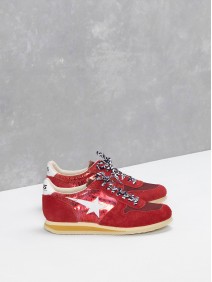 -62%
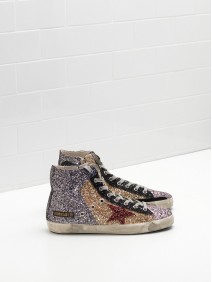 -61%
 -62%
 -64%
 -62%
 -62%
 -64%
 -62%
 -62%
 -62%
 -61%
 -61%
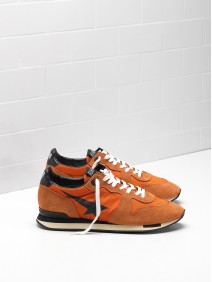 -62%
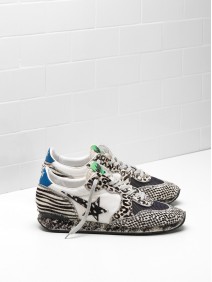 -59%
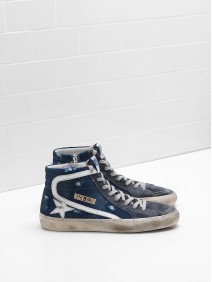 -61%
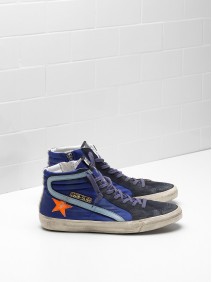 -62%
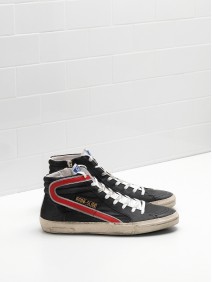 -64%
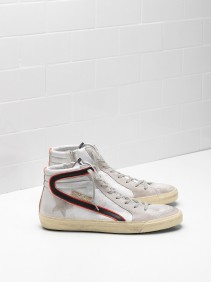 -61%
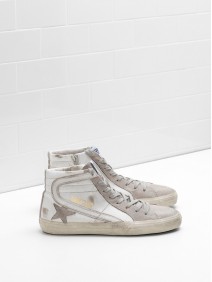 -62%
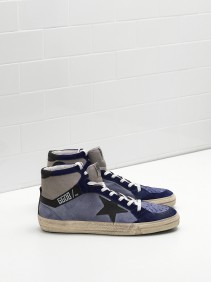 -62%
 -61%
 -59%
 -64%
 -62%
 -61%
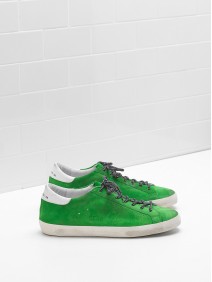
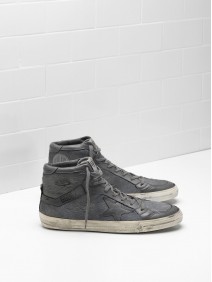
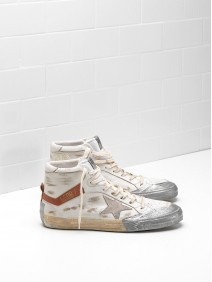
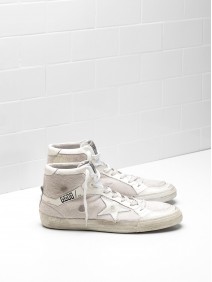
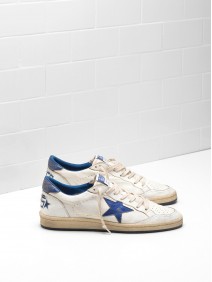
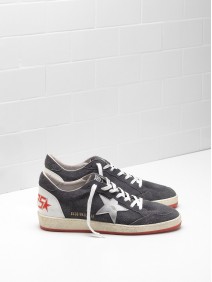
Golden Goose sneakers occupy a distinctive place in the luxury footwear market. Their appeal comes from a combination of Italian design, recognizable styling, premium materials, and finishing techniques that make each pair look individual rather than factory-perfect. The price reflects the work involved before the shoes reach a shop floor.
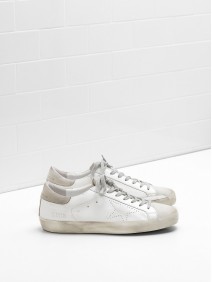
A pair may feature smooth leather, suede panels, glitter inserts, technical fabric, branded details, and a durable rubber sole. These materials require different cutting, stitching, bonding, and finishing methods. When several are combined in one sneaker, production becomes more demanding than the construction of a simple canvas trainer.
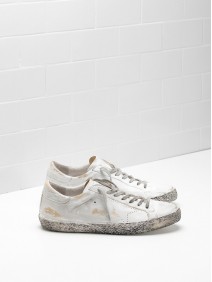
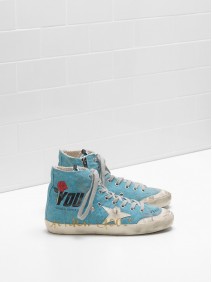
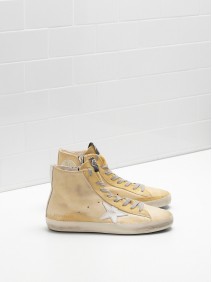
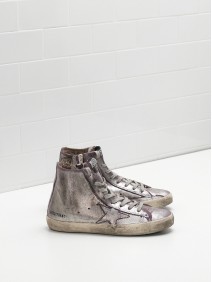
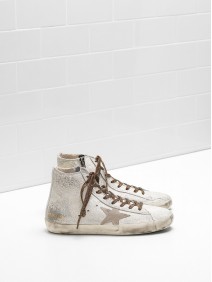
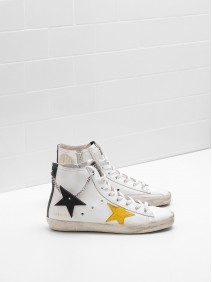
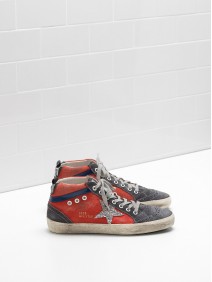
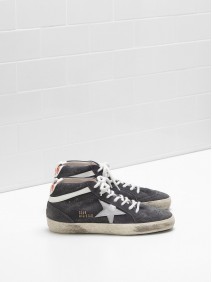
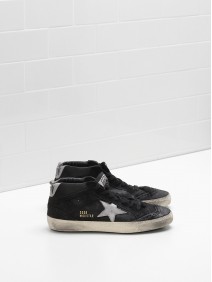
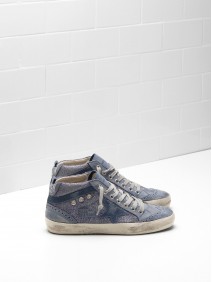
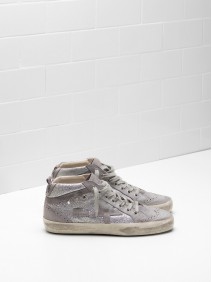
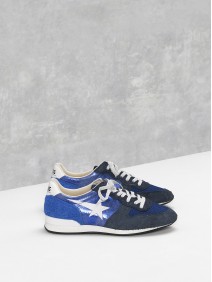
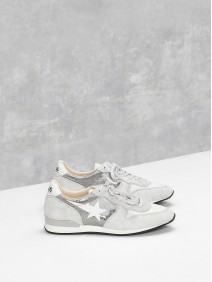
The brand’s deliberately worn appearance can also be misunderstood. Scuffs, faded panels, and variations in colour are often planned design elements, not signs of poor storage. For shoppers comparing full retail with outlet pricing, understanding these details makes it easier to assess the value of Superstar, Francy, Mid Star, Haus Halley, Starter, Running, and Slide styles.
Luxury sneakers often cost more because their design contains several visual layers. Golden Goose models may combine contrasting leather pieces with suede overlays, metallic accents, star motifs, textured panels, and carefully positioned branding. Each component must align with the others so the finished shoe looks balanced from every angle.
The silhouette also contributes to the price. A structured heel counter, padded collar, shaped toe box, and supportive sole unit require more precise pattern cutting than a basic slip-on shoe. Small design decisions affect comfort, flexibility, and durability, so the upper and sole must work together rather than being treated as separate parts.
Some collections use a deliberately vintage-inspired finish. This aesthetic is controlled rather than random: a pale edge, softened colour, or lightly distressed surface is placed to create a consistent character. Producing that effect while keeping the shoes wearable calls for additional inspection and finishing time.
Leather is one of the main reasons luxury sneakers carry a higher price. Full-grain and carefully selected smooth leather offer a dense surface, natural flexibility, and the ability to develop character with wear. The quality of the hide matters because clean, attractive panels are needed for visible areas such as the toe, quarter, and heel.
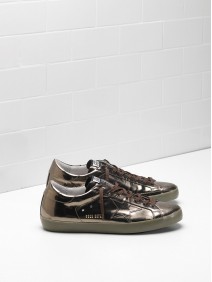
Suede brings a different texture and production requirement. Its nap must be even, and the material needs careful cutting to avoid mismatched shading between panels. Glitter, metallic leather, and technical fabric add further complexity. They may require special backing, protective treatments, or different stitching methods to prevent fraying and surface damage.
The outsole matters as well. A well-made rubber sole provides traction, shock absorption, and resistance to everyday contact with pavement. Strong bonding between the upper and sole helps prevent premature separation. These details are less visible than a logo, but they strongly influence how a sneaker performs over time.
| Feature | What it contributes | Why it can increase cost |
|---|---|---|
| Smooth leather | Structure, softness, and a polished finish | Better hides require selective cutting and careful handling |
| Suede | Depth, texture, and contrast | Even nap and panel matching require extra attention |
| Glitter or metallic panels | Distinctive visual detail | Special surfaces need suitable backing and finishing |
| Technical fabric | Lightness, breathability, or flexibility | Different materials require specialised construction |
| Rubber outsole | Grip, cushioning, and durability | Moulding and secure bonding add to production demands |
| Hand-finished effects | Individual vintage character | Application and quality checks take additional labour |
A significant part of the appeal is the sense that the sneakers have been individually treated. Hand-applied marks, tonal changes, and subtle surface variation can make two pairs appear slightly different. This individuality is valuable to shoppers who want footwear with a fashion identity rather than a completely uniform sports-shoe finish.
Finishing work may include brushing, washing, sanding, staining, or applying protective treatments. The purpose is to create a particular visual balance without compromising the underlying material. Too much abrasion could weaken the leather, while too little would fail to deliver the intended character.
This is also why judging a pair from a product photograph requires care. Texture, lighting, and the angle of the distressing can change how the surface appears. Close attention to the material description helps buyers understand whether a model uses leather, suede, glitter, or technical fabric before ordering.
A premium price should be connected to more than appearance. Stitch density, edge finishing, heel stability, and the quality of the insole all affect how a sneaker feels during regular use. A carefully constructed upper can flex at the correct points while retaining enough structure to support the foot.
Comfort depends on fit as well as materials. Some styles have a lower profile and streamlined shape, while others offer more ankle coverage or a chunkier sole. Mid Star and Francy designs, for example, create a different feel from lightweight Running or low-cut Slide styles. Comparing the intended use of each silhouette is more helpful than choosing based solely on colour.
Durability also relies on maintenance. Leather should be kept away from prolonged moisture, while suede benefits from a soft brush and suitable cleaning products. Glitter and metallic surfaces need gentle handling because aggressive rubbing can dull their finish. For practical advice, this guide on removing leather scratches explains why different marks require different treatments.
Luxury footwear usually carries costs connected with design development, material sourcing, skilled labour, quality control, retail presentation, and distribution. A discounted outlet price does not necessarily mean the product has been made cheaply. It may reflect seasonal stock, limited sizes, discontinued colourways, or a retailer’s pricing strategy.
For UK shoppers, comparing the original positioning with the current offer can be useful. A reduced price makes premium materials and distinctive construction more accessible, especially when free fast shipping is included. Buyers should still review the product description, sizing information, delivery terms, and return policy before placing an order.
Different models suit different wardrobes. A classic white Superstar can work with denim and tailoring, while a glitter-accented style creates a stronger evening statement. Shoppers interested in a more relaxed California-inspired look can browse these California sneaker styles alongside other outlet selections.
The best purchase is one that matches both personal style and practical needs. Think about how often the sneakers will be worn, what weather they will encounter, and whether the materials are suitable for commuting or occasional use. A suede-heavy design may look luxurious but demand more care than a smooth leather model.
It is also worth checking the construction details rather than focusing only on the signature star or distressed finish. Look for clear photographs, a complete materials list, a well-defined sole description, and measurements that help with sizing. A premium sneaker should feel considered in its details, even when bought at a reduced price.
Golden Goose sneakers cost more because their value is built across design, material selection, skilled construction, and distinctive finishing. When those elements matter to your wardrobe, explore the available women’s and men’s styles, compare the details carefully, and choose an outlet pair that brings premium craftsmanship into everyday wear.